






More Than Just a Harder Dip
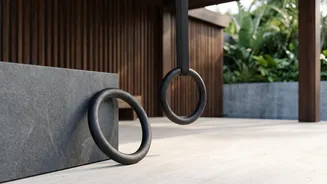
If you’ve ever tried moving from a standard dip station to a pair of gymnastics rings, you know the humbling experience. The rings shake, your shoulders feel unstable, and reps that felt easy on a fixed bar suddenly become a struggle. That’s because ring dips
aren't just a harder version of bar dips; they're a different beast entirely. The instability of the rings forces your body to work constantly to stabilize itself, turning the exercise into a full-body challenge. It engages not only the primary movers—the chest, triceps, and shoulders—but also a host of smaller stabilizer muscles in your shoulders and, crucially, your core.
Why Core Engagement Is Non-Negotiable
When performing a ring dip, your core is the anchor that prevents your body from swinging and losing tension. A tight, engaged core, including your abs and glutes, creates a rigid 'plank' from your shoulders to your feet. This stability allows you to direct force efficiently into the press, making the movement stronger and safer. Without core engagement, your hips may sag or your body might sway, which can lead to poor form, energy leaks, and an increased risk of shoulder strain. Think of it this way: the rings demand stability, and your core provides it. This constant stabilization work is also why ring dips are so effective at building functional core strength that translates to other athletic movements.
The Art of Controlled Movement
Speed is not your friend when learning ring dips. The real benefits come from slow, controlled repetitions. Moving too fast is a common mistake that masks instability and prevents you from building true strength and control through the full range of motion. A controlled descent, often called the 'eccentric' or negative phase, is particularly important. By lowering yourself slowly, you build strength in the muscles and connective tissues, improve joint health, and teach your body how to remain stable in the challenging bottom position. Aim for a tempo where you take several seconds to lower yourself, pause briefly at the bottom without losing tension, and then press back up powerfully but smoothly. Quality over quantity is the golden rule.
Common Mistakes to Avoid
Besides a lack of core tension and moving too quickly, there are other common faults to watch for. One major error is letting the shoulders dump forward at the bottom of the dip, which places significant stress on the shoulder joint. Instead, focus on keeping your shoulders back and down. Another mistake is flaring the elbows out too wide; they should stay relatively close to your body. Many people also make the mistake of not going through a full range of motion, stopping the dip too high. To get the full benefit, you should lower yourself until your biceps are near the rings. Finally, avoid resting on the straps, as this takes the load off your muscles and cheats you out of strength gains.
Your Path to a Perfect Ring Dip
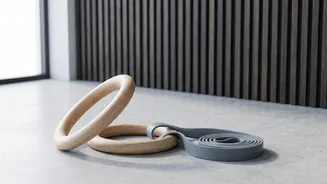
Very few people can jump up and perform a perfect ring dip on their first try. Progression is key. Before you even attempt a full dip, you should be able to comfortably hold your bodyweight in the top support position with straight arms. From there, you can work on progressions like: - Ring Push-ups: These build stability and pressing strength on an unstable surface. - Negative Dips: Start at the top and focus only on lowering yourself down slowly and with control for several seconds. - Assisted Dips: Use a resistance band looped over the rings to support some of your body weight, or place your feet on a box or the floor in front of you to assist the movement. - Bar Dips: If you haven't already, mastering strict dips on a stable bar is a prerequisite to build the foundational pressing strength required for rings.