






Understanding the Numbers
The Indus River System Authority's advisory committee has formally approved an anticipated water shortage of 22% for the Rabi season, which runs from October 2026 to March 2027. This projection specifically impacts the provinces of Punjab and Sindh, the agricultural
heartlands of the country responsible for the vast majority of wheat production. The total expected availability of water for the provinces is 29.183 million acre-feet (MAF), against anticipated river inflows of just 21.268 MAF. This gap between supply and provincial need is what forms the basis of the calculated shortfall, a critical piece of information for farmers planning their winter crops.
The Reasons Behind the Shortage
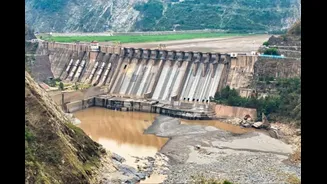
The current water deficit is not a sudden event but the result of several converging factors. A primary cause is lower-than-expected water flows during the preceding Kharif season (April to September), which were 8% below projections and 22% lower than the previous year. This has left the country's major reservoirs, Tarbela and Mangla, with significantly less water than is ideal. As of the end of September, total reservoir storage stood at 9.343 MAF, well below the 13.214 MAF stored at the same time last year and also below the ten-year average. Delays in completing key infrastructure projects at the Tarbela Dam have also been cited by IRSA as a contributing factor, as they have restricted the dam's storage capacity.
Impact on Wheat and Food Security
The timing of this water shortage is particularly concerning as it directly coincides with the sowing season for wheat, Pakistan's most important staple crop. More than 80% of the country's agriculture relies on the Indus Basin irrigation system, making any shortfall a direct threat to national food security. A reduced water supply could force farmers to make difficult choices: either rely on more expensive and often unsustainable groundwater pumping or accept lower crop yields. This situation puts the proposed national wheat production target of 33 million tonnes under immediate pressure. The potential for a weaker harvest comes on the heels of last season's wheat shortfall, which has already contributed to rising flour prices.
The Ripple Effect on the Economy
The consequences of a water shortage extend beyond the farm gate, with significant implications for the wider economy. Consumers are already feeling the pinch, with year-on-year flour prices in September rising by over 31% in urban areas and 34% in rural areas. Should the upcoming wheat harvest also underperform, it could force Pakistan to increase its reliance on costly wheat imports to stabilize domestic supply and prices. The country has already made recent purchases on the international market, and the prospect of further imports adds another layer of pressure on national finances. The entire food supply chain, from farmers to flour mills and households, feels the impact of water availability in the canals.
Management and Mitigation Efforts
In response to the forecast, IRSA has approved a water distribution plan for the provinces, though the 22% shortage will be borne by Punjab and Sindh. Officials have advised farmers, particularly in the lower half of the country, to use available irrigation water carefully. There is a silver lining, as the Pakistan Meteorological Department forecasts above-normal rainfall for October and November, which could help improve soil moisture and partially offset the canal water deficit. However, the situation underscores a persistent challenge. Authorities have urged for the expedition of delayed water infrastructure projects to enhance storage capacity for future seasons and build resilience against such shortages.