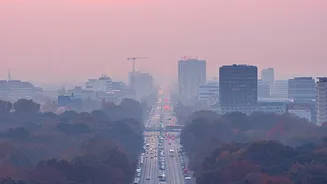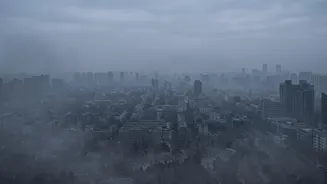


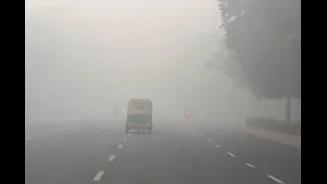

As winter approaches, a familiar grey haze descends on Delhi, bringing with it the annual struggle against smog and that tell-tale scratchy throat. Here is a practical guide to limiting your exposure and finding relief when the air quality dips.
Understanding the Annual Threat
Every
year, from October through January, Delhi's air quality plummets into 'Poor', 'Very Poor', and even 'Severe' categories. A combination of factors, including vehicle emissions, construction dust, and smoke from crop burning in neighbouring states, gets trapped by cold winter air, creating a toxic smog. The primary danger lies in fine particulate matter, especially PM2.5. These particles are so small they can bypass the body's natural filters, lodging deep in the lungs and even entering the bloodstream. This leads to a range of health issues, from the immediate discomfort of a sore throat, coughing, and eye irritation to more severe long-term risks for respiratory and cardiovascular health.
Monitor, Plan, and Stay Indoors
Your first and most effective line of defence is to reduce exposure. Get into the habit of checking the daily Air Quality Index (AQI) through official sources like the Central Pollution Control Board (CPCB). On days when the AQI is high (typically above 200), it's crucial to limit your time outdoors, especially for vulnerable groups like children, the elderly, and those with pre-existing heart or lung conditions. If you must go out, try to schedule your activities for the afternoon, generally between 11 AM and 3 PM, when sunlight can help disperse pollutants, making the air relatively better. Avoid early morning and late evening walks or errands, as pollution is often trapped closer to the ground during these times.
The Right Way to Mask Up
When you do step outside, not just any mask will do. Simple cloth or basic surgical masks offer very little protection against the fine PM2.5 particles that define Delhi's smog. For meaningful protection, experts strongly recommend using a well-fitted N95 or a similarly certified respirator (like an FFP2). These masks are designed to filter at least 95% of airborne particles when worn correctly. A proper fit is non-negotiable; the mask must form a tight seal over your nose and mouth, with no gaps at the sides, to prevent polluted air from leaking in. For children, it's important to find child-sized N95 masks, as adult versions will be too loose to be effective.
Creating a Safe Haven at Home
Staying indoors helps, but indoor air can also be polluted. Keep windows and doors closed during high-pollution hours to prevent smog from entering. An air purifier with a High-Efficiency Particulate Air (HEPA) filter can significantly reduce the concentration of PM2.5 inside a room. For the best results, place the purifier in the room where you spend the most time, such as your bedroom, and ensure it is appropriately sized for the space. Additionally, simple housekeeping changes can make a difference. Opt for wet mopping instead of dry sweeping to avoid kicking up settled dust. Avoid burning incense, candles, or mosquito coils, as these contribute to indoor air pollution.
A scratchy, irritated throat is one of the most common complaints during smog season. This happens because pollutants like ozone and sulphur dioxide can directly inflame the delicate lining of your throat. For immediate relief, several simple home remedies can help. Gargling with warm salt water a few times a day can reduce inflammation and clear irritants. Staying well hydrated by drinking plenty of warm fluids, such as herbal teas or water with honey, helps soothe dryness and keep the throat moist. Inhaling steam can also help loosen mucus and provide comfort. While these remedies can provide temporary relief, they don't remove pollutants from your body, so prevention remains key.
During periods of poor air quality, it's wise to avoid strenuous outdoor exercise like running or cycling, as you inhale more polluted air when you breathe heavily. Move your workouts indoors to a gym or your home. Diet can also play a supportive role. While no food can 'detox' you from pollution, a diet rich in antioxidants—found in fresh fruits, vegetables, and nuts—can help your body combat the oxidative stress caused by pollutants. Ensuring you are hydrated helps your body's natural systems function optimally. These small but consistent adjustments can significantly reduce your daily exposure and help protect your health through the challenging winter months.