

Solving a Solar System Puzzle
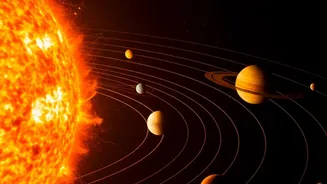
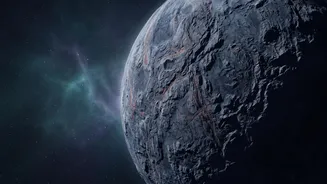
When we look at other star systems, astronomers frequently find a type of planet our own solar system seems to be missing: the 'super-Earth'. These are worlds larger than our rocky home but smaller than gas giants like Neptune. Their commonness elsewhere
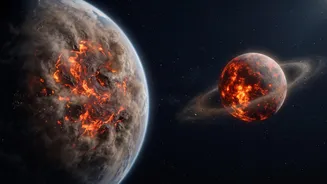
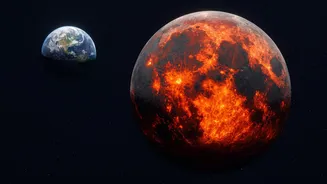
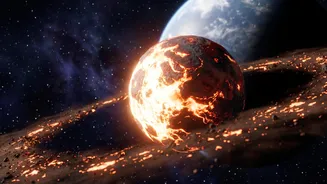
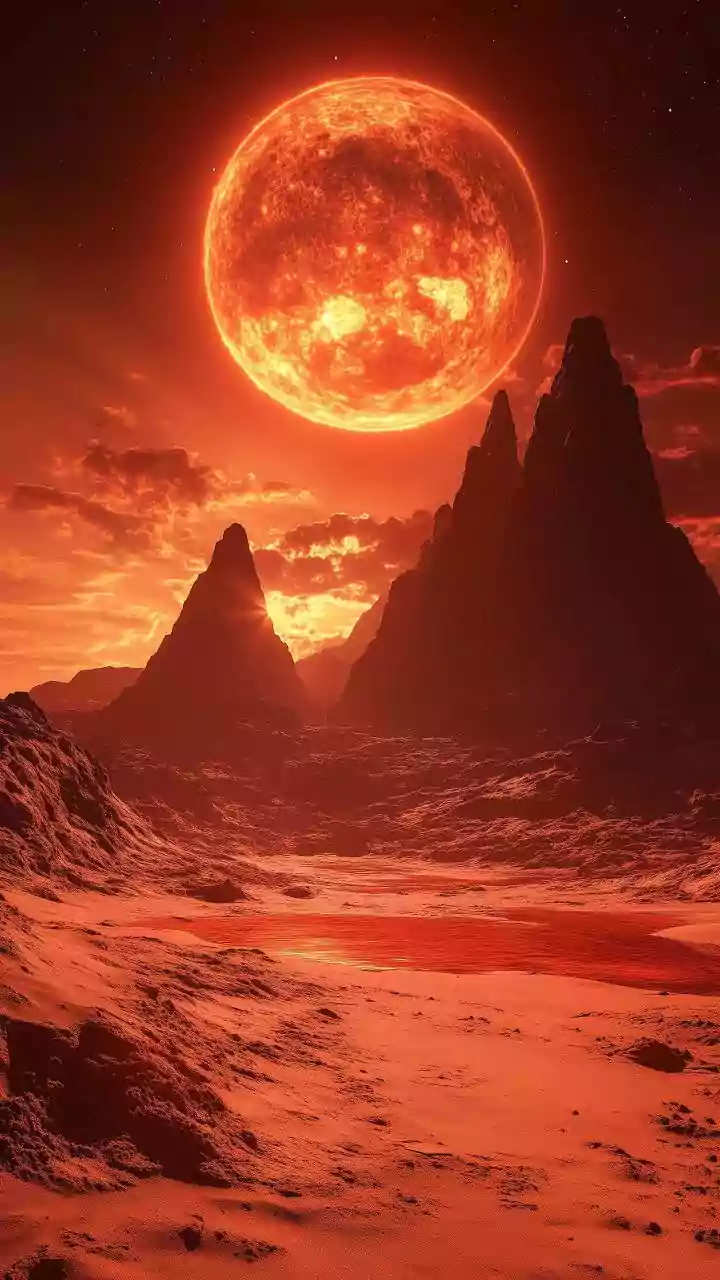
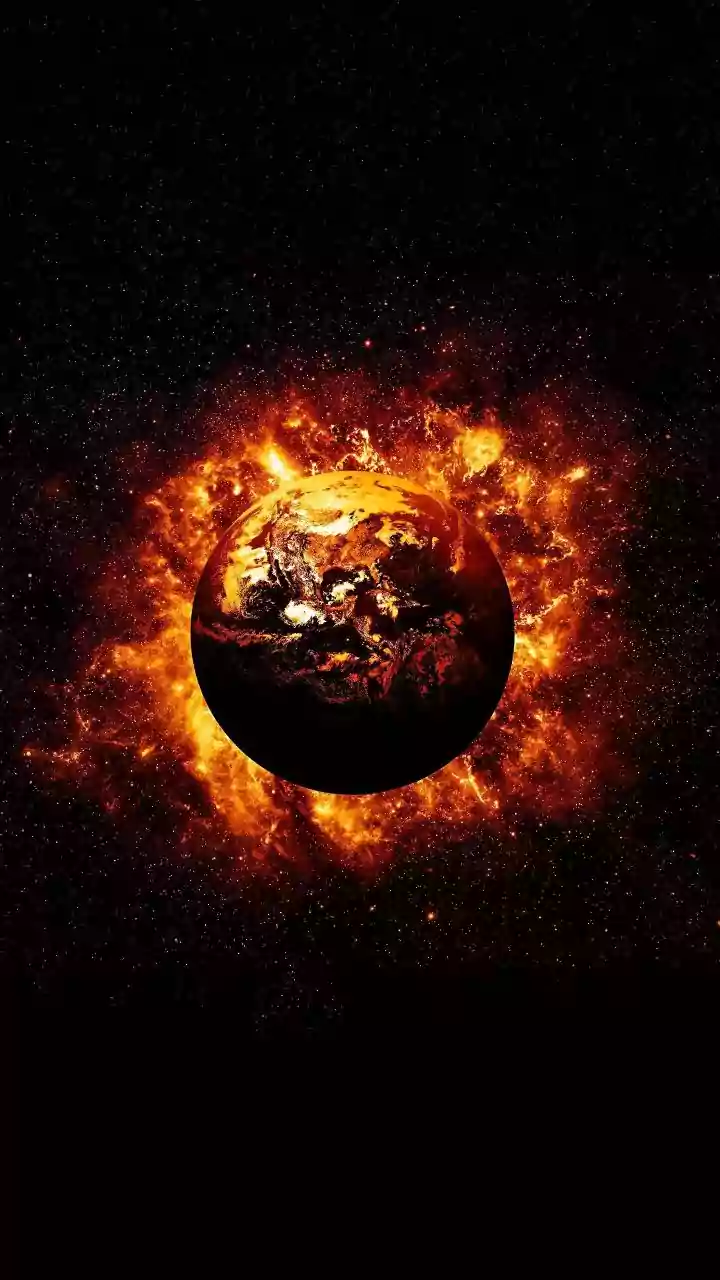
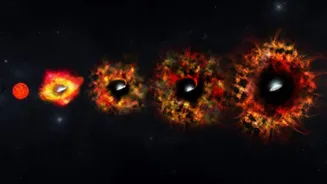
makes their absence here a genuine puzzle. Did our system just fail to form one? Or did something more dramatic happen? A recent study proposes a radical answer: our solar system did have a super-Earth, perhaps five to ten times the mass of our own planet, orbiting close to the sun. The catch? The sun ate it.
The Ghost in the Machine
This startling hypothesis comes from new computer modelling of the sun's evolution. A study published in the scientific journal Monthly Notices of the Royal Astronomical Society by Professor Mutlu Yıldız of Ege University in Turkey suggests that such an ancient collision could solve several long-standing puzzles about our star. For instance, the sun has much less of the element lithium on its surface than models predict it should have, and there are subtle discrepancies in what we know about its internal structure from helioseismology (the study of solar vibrations). By running simulations, researchers found that modelling a collision with a super-Earth early in the sun's history makes the numbers align much more neatly with the sun we observe today.
The Key Qualification
This is where the headline's crucial qualification comes in. No one has found a piece of this planet or seen a photograph. The evidence is entirely theoretical, residing within complex computer simulations. The theory is compelling because it elegantly explains several different anomalies at once. However, it is not direct proof. The research proposes that this hypothetical planet, spiralling inward billions of years ago when the solar system was a much more chaotic place, was consumed by a young, turbulent sun. The idea is that this planetary meal left chemical fingerprints deep inside the star that may still be detectable.
Not the First Lost Planet
The idea of a lost world in the inner solar system isn't entirely new. In the 19th century, astronomers puzzled over Mercury's strange orbit, which didn't quite conform to Newton's laws. The brilliant French mathematician Urbain Le Verrier, who had successfully predicted the existence of Neptune, proposed there must be another planet inside Mercury's orbit, which he named 'Vulcan'. Astronomers hunted for Vulcan for decades, but it was never found. The mystery was eventually solved in 1915 by Albert Einstein, whose theory of general relativity perfectly explained Mercury's orbit without the need for a hidden planet.
Why These Theories Matter
While the story of Vulcan was a dead end, this new super-Earth theory is different. It's not about finding a planet that's still there, but about reconstructing our solar system's violent and transformative childhood. These models help us understand how planetary systems form, not just in general, but why ours looks the way it does. The early solar system was a shooting gallery of planetesimals and protoplanets colliding, migrating, and being ejected. Thinking about a lost super-Earth helps us appreciate that the stable, orderly system we know today is the result of a chaotic and dynamic past, where entire worlds could be lost forever.