

The Carbon-Sinking Promise
The idea behind ocean iron fertilization (OIF) is straightforward and elegant. In vast, nutrient-rich parts of the ocean, the one ingredient missing for life to boom is iron. These are known as High-Nutrient, Low-Chlorophyll regions. Scientists have proposed
that by sprinkling small amounts of iron onto the surface of these waters, we could trigger massive blooms of phytoplankton—microscopic marine plants. Through photosynthesis, these phytoplankton would draw enormous amounts of carbon dioxide (CO2) from the atmosphere. When they die, they sink, carrying that carbon with them into the deep ocean, where it could be locked away for decades or even centuries. This process, called the biological carbon pump, is a natural part of the ocean's climate regulation, and OIF aims to amplify it significantly.
A Reality Check from New Research
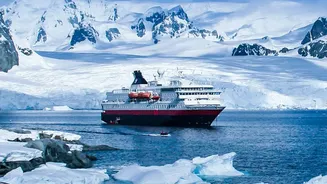
A new modelling study published in the journal Nature provides critical insight into this potential climate solution. Researchers simulated 60 years of ocean iron fertilization across different regions to weigh the climate benefits against the ecological costs. The findings confirm that where you do it matters immensely. The study found that deploying OIF in higher latitudes, specifically the Southern Ocean, could effectively remove carbon with relatively limited ecological disruption. However, the same cannot be said for other areas, like the equatorial Pacific. This regional difference is the core of the trade-off, suggesting OIF is not a one-size-fits-all solution but a geographically sensitive tool with a wide range of potential outcomes.
The Ecological Gamble
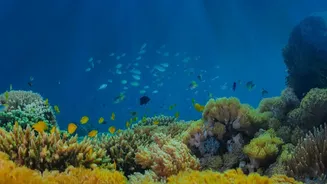
The primary trade-off highlighted by recent research involves the health of marine ecosystems. While stimulating a phytoplankton bloom sounds positive, it can have serious unintended consequences. In regions like the equatorial Pacific, the study showed that fertilization can lead to a significant depletion of other essential macronutrients. This 'nutrient robbing' disrupts the base of the food web, potentially causing declines in the biomass of zooplankton, which are critical for fish populations. Another major concern is the creation of low-oxygen zones, or 'dead zones'. As the massive bloom of organic matter sinks and decomposes, the process consumes oxygen in deeper waters, which can harm or kill marine life. Furthermore, there is a risk that these blooms could include harmful algal species or produce other potent greenhouse gases like nitrous oxide, partially offsetting the climate benefits.
Questions of Efficiency and Permanence
Beyond the ecological risks, there are serious questions about how effective OIF would be. A key issue is permanence. The new Nature study found that across its 60-year simulations, more than half of the captured carbon was re-emitted into the atmosphere within decades after fertilization stopped. This suggests that much of the benefit could be transient. Other research highlights a problem of 'compensation'. One modelling experiment found that the increased carbon uptake in the fertilized area was largely offset by decreased uptake elsewhere in the ocean, as the available nutrients were simply used up in a different location. This puts the net global benefit into serious question, especially for large-scale projects outside the Southern Ocean. The total potential for carbon removal, while significant, may only amount to a fraction of our annual emissions, making it a helper, not a saviour.