









The Promise of a Greener Drive
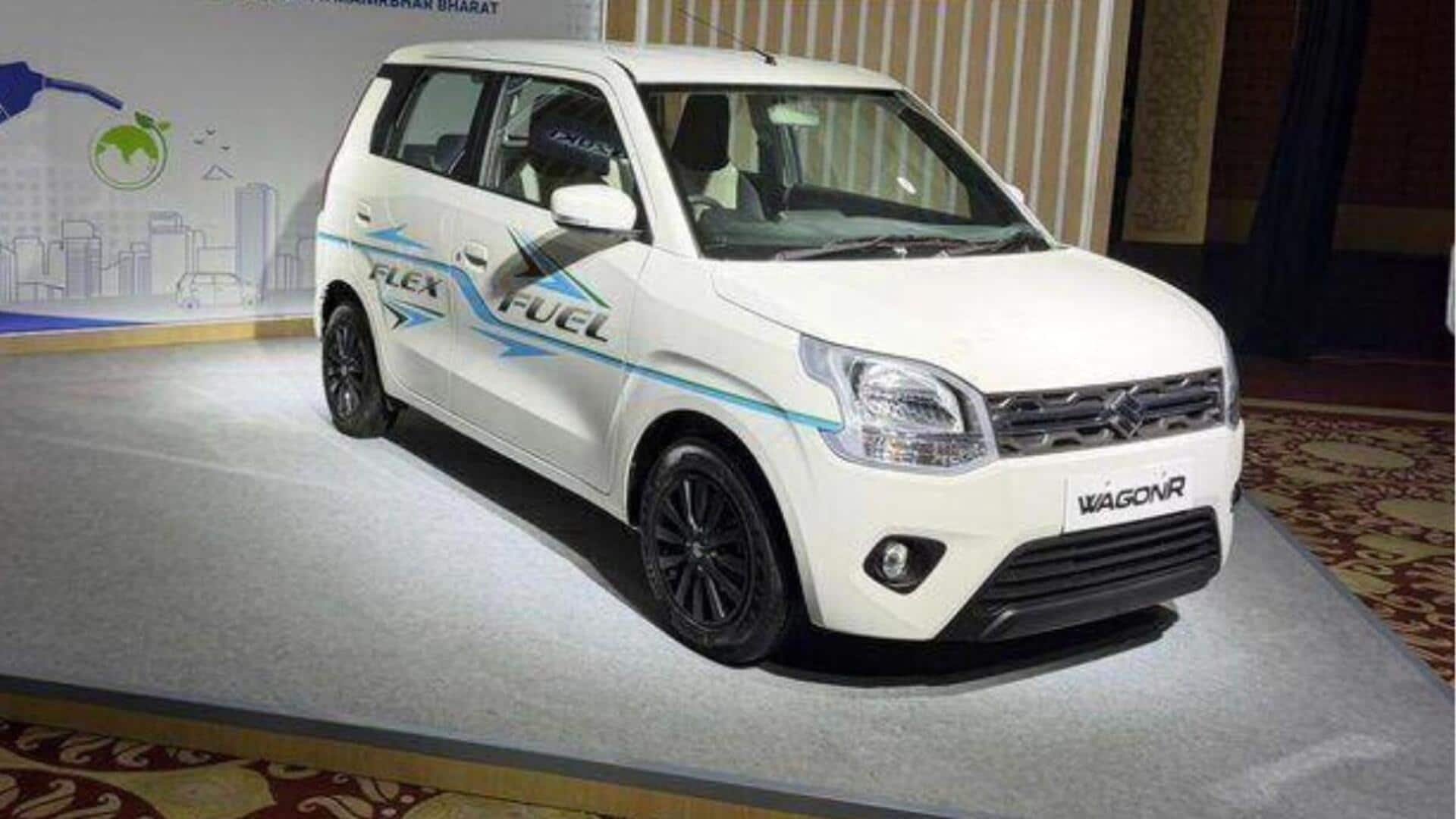
On paper, the Maruti Suzuki Wagon R Flex Fuel is exactly what the Indian market needs. It’s a vehicle designed to run on ethanol-blended petrol, with the capability to use anything from E20 (20% ethanol, 80% petrol) right up to E85 (85% ethanol). This
technology is a cornerstone of India's strategy to reduce its massive oil import bill, cut down on carbon emissions, and provide better returns to its sugarcane and grain farmers who produce the ethanol. Automakers have adapted existing engine technology, modifying fuel lines, pumps, and engine software to handle the different properties of ethanol. For the consumer, the biggest pull is the promised lower running cost, with the government indicating E85 fuel will be significantly cheaper than standard petrol. It represents a step towards energy self-reliance without immediately jumping to the higher cost and charging hurdles of electric vehicles.
The Fuel Station Dilemma
The core of the confidence problem lies not with the car, but with the pump. While India has successfully transitioned to E20 petrol nationwide, the infrastructure for higher blends like E85 is in its infancy. As of mid-2026, the rollout of E85 fuel began at just 48 stations, primarily in major corridors like Delhi-NCR and the Mumbai-Pune region. This creates a classic chicken-and-egg scenario: people won't buy flex-fuel cars without widespread fuel availability, and fuel companies are slow to invest in pumps without enough cars on the road to justify it. For a Wagon R Flex Fuel owner, this translates into severe range anxiety. Journeys must be meticulously planned around the handful of available E85 pumps, turning routine travel into a logistical challenge. Most owners are forced to run their advanced flex-fuel cars on regular E20 petrol, negating the cost benefits and defeating the purpose of their purchase.
Government Push vs. Ground Reality
The government has an ambitious roadmap. The plan is to expand the E85 network to 500 stations by the end of 2026 and to approximately 5,000 by the end of 2027. This push is critical, as India now has a surplus of ethanol production capacity. However, experts and automakers caution that this transition is being compressed into a very short timeline compared to countries like Brazil, which took decades to build its ethanol ecosystem. There are significant costs and logistical hurdles in upgrading thousands of fuel stations. Furthermore, while the government is setting targets, the on-ground execution by oil marketing companies is what will ultimately build consumer trust. Until a driver can confidently expect to find an E85 pump on any major highway or in any Tier-2 city, the flex-fuel vehicle will remain a niche product for a few brave pioneers.
The Economics for the Buyer
Beyond just finding the fuel, the financial math for a prospective Wagon R Flex Fuel buyer is complicated. The flex-fuel variant comes at a higher upfront cost—reportedly around ₹86,000 more than a standard petrol model—due to the specialized components required. To offset this premium, owners need to rely on the lower price of E85 fuel. However, ethanol has a lower energy density than petrol, which means fuel efficiency (mileage) drops when using higher blends. Therefore, the savings per litre must be substantial enough to compensate for both the lower mileage and the initial premium. With E85 availability being so scarce, most buyers are currently paying a higher price for a car they cannot even fuel properly, making the economic argument for switching incredibly weak. Recent sales data reflects this hesitation, with very few units sold since its launch.