





What is El Niño?
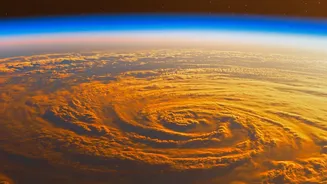
El Niño, which means 'the little boy' in Spanish, is a climate pattern characterized by the unusual warming of surface waters in the eastern tropical Pacific Ocean. It is one phase of a larger phenomenon called the El Niño-Southern Oscillation (ENSO).
Under normal conditions, trade winds blow warm water from east to west across the Pacific, towards Asia. During an El Niño event, these trade winds weaken or even reverse. This causes the warm water to shift eastward, away from Asia and towards the Americas. This change in ocean temperature disrupts atmospheric circulation patterns globally, impacting weather far and wide, including the Indian monsoon. Its counterpart is La Niña, a cooling phase that often brings heavier monsoon rains to India.
How Does It Affect the Indian Monsoon?
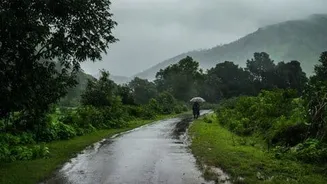
The Indian monsoon is a massive sea-to-land wind system driven by the temperature difference between the Indian Ocean and the Asian landmass. El Niño's warming of the Pacific Ocean can suppress the circulation that drives this system. This typically results in weaker monsoon winds, reduced moisture transport from the ocean, and consequently, below-average rainfall across large parts of India. Historically, El Niño years have a strong correlation with deficient rainfall and drought-like conditions in India. The India Meteorological Department (IMD) has flagged the development of El Niño conditions as a key factor in its forecast for a below-normal 2026 monsoon.
What is the Forecast for 2026?
International climate agencies like NOAA have confirmed that an El Niño is underway and expected to strengthen through 2026, potentially becoming one of the strongest on record. There is a high probability of the event continuing into early 2027. In line with this, the IMD has forecast a below-normal southwest monsoon for 2026, at around 90% of the Long Period Average (LPA). As of early August 2026, cumulative rainfall for the season was already 12% below the LPA, with significant deficits in June. This is broadly consistent with the IMD's predictions, which anticipated El Niño's suppressive effect on the monsoon.
Which Economic Sectors are Most Exposed?
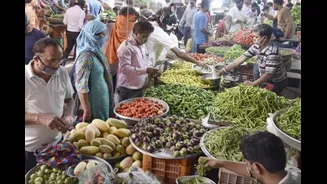
Agriculture is on the front line. Over half of India's farmland is rain-fed, making the kharif (monsoon) crop season critically dependent on timely and adequate rainfall. A weak monsoon reduces crop sowing and yields, directly hitting farm incomes. This creates a ripple effect. Lower rural incomes weaken demand for goods like two-wheelers, tractors, and fast-moving consumer goods (FMCG). Poor rains also put pressure on water reservoirs, which affects drinking water supply and hydropower generation. The most immediate and widespread impact is often a spike in food inflation as the supply of essential crops like paddy, pulses, and vegetables is disrupted.
Is Every El Niño Year a Disaster?
Not necessarily. While the link between El Niño and a weak monsoon is strong, it's not a perfect one-to-one relationship. Not all El Niño years have resulted in severe drought. The Indian economy has also become more resilient over the decades. The share of agriculture in the nation's GDP has fallen, and the expansion of irrigation has reduced the dependence on rainfall in some areas. However, the monsoon's influence remains immense. Rural consumption is a massive driver of demand, and food prices are a critical component of overall inflation, which influences the Reserve Bank of India's policy decisions. Even with a more diversified economy, a poor monsoon remains a significant macroeconomic shock.