



What is the Vandarshan Initiative?
The 'Vandarshan' (Forest Sighting) initiative is a collaborative effort between the Maharashtra Forest Department and IRCTC, aimed at making the state's rich wildlife heritage more accessible to the public. Launched on International Tiger Day, the programme
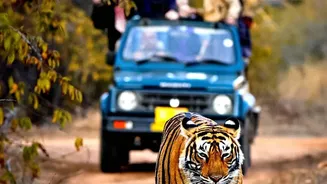
simplifies wildlife tourism by offering all-inclusive packages that bundle travel, accommodation, and safari permits into a single, hassle-free booking. This removes significant logistical hurdles for aspiring visitors, who previously had to navigate separate systems for train tickets, hotel stays, and elusive safari permits. The goal is to promote sustainable tourism and bring more people closer to nature, fostering a greater appreciation for conservation while providing a streamlined and enjoyable experience for families, photographers, and adventurers alike.
Bor Tiger Reserve: The Compact Powerhouse
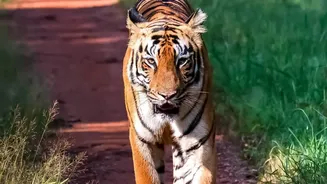
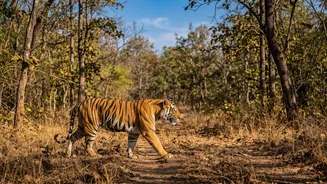
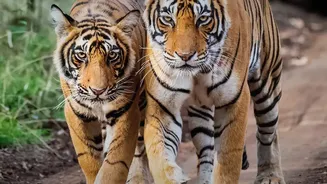
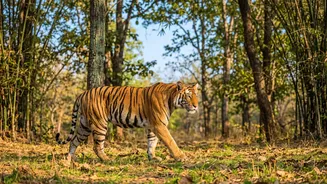
Just 65 kilometres from Nagpur, Bor Tiger Reserve holds the distinction of being India's smallest tiger reserve by core area. Despite its size, Bor is a dense and vibrant habitat teeming with wildlife. Its compact nature often leads to more frequent sightings, making it a rewarding destination for those short on time. The landscape is a beautiful mix of dry deciduous forest and the serene Bor Reservoir, which acts as a lifeline for the fauna. Visitors can expect to see not just the majestic tiger, but also leopards, sloth bears, wild boars, and over 160 species of birds. The addition of Bor to the Vandarshan scheme provides a fantastic opportunity for a quick and accessible getaway into a thriving, less-crowded wilderness.
Tipeshwar Wildlife Sanctuary: The Green Oasis
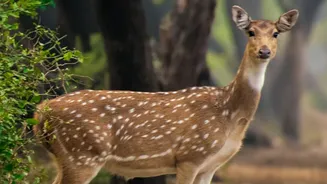
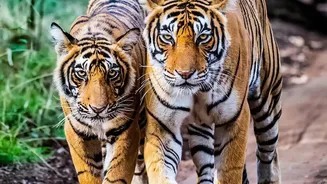
Often called the 'Green Oasis' of Maharashtra, Tipeshwar Wildlife Sanctuary is a hidden gem located in the Yavatmal district. While not a formally notified tiger reserve, it boasts a tiger density that rivals some of India's most famous parks, with an estimated 20 tigers in its relatively small area of 148 square kilometres. This high density significantly increases the chances of a sighting, making it a prime destination for tiger enthusiasts. The sanctuary's rugged terrain and lush vegetation support a diverse range of animals, including leopards, sloth bears, and various deer species. Its isolated location means it is generally less crowded than other parks, offering a more peaceful and intimate safari experience. The new Vandarshan route will undoubtedly shine a spotlight on this incredible, under-the-radar sanctuary.
Navegaon-Nagzira: A Biodiverse Paradise
Navegaon-Nagzira Tiger Reserve (NNTR) is a large and picturesque landscape formed by merging Navegaon National Park and Nagzira Wildlife Sanctuary. It serves as a crucial wildlife corridor connecting major tiger habitats in central India, including Tadoba and Pench. The reserve is a treasure trove of biodiversity, home to 34 species of mammals, 166 species of birds, and 36 species of reptiles. Its varied topography includes hills, forests, and the stunning Navegaon Lake, which is a haven for birds and other wildlife. Safaris here offer a chance to see a wide array of fauna beyond just tigers, set against a backdrop of breathtaking natural beauty. As one of the best-connected parks in the Vidarbha region, its inclusion in the Vandarshan package makes exploring this 'Green Oasis' of Vidarbha easier than ever.
Planning Your Wildlife Adventure
The Vandarshan packages are designed for convenience, with curated itineraries that typically span four to five days and depart from Mumbai CSMT on the Vidarbha Express. Bookings can be made directly through the IRCTC portal. For those who prefer to plan independently, it's essential to book safari permits well in advance, as core zones in popular reserves can sell out months ahead. Most parks offer online booking for safaris and accommodations through the Maharashtra Eco-tourism website or the Forest Development Corporation of Maharashtra (FDCM) portal. The best time to visit for wildlife sightings is generally from October to June, as the animals are more visible around water sources during the dry months. Note that most parks remain closed on a specific day of the week and during the peak monsoon season from July to September.