






A New Polar Benchmark
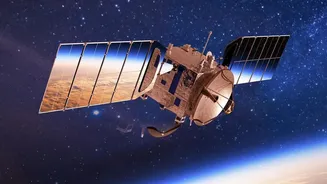
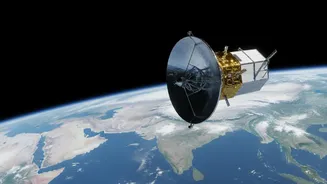
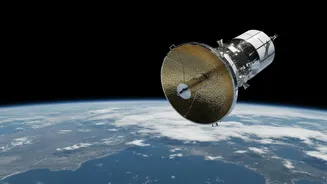
Scientists have a new, continuous two-year record of the heat radiating from Earth's polar regions, thanks to a sophisticated NASA mission. Since July 2024, the twin PREFIRE (Polar Radiant Energy in the Far-InfraRed Experiment) satellites have been measuring
a previously under-observed part of the energy spectrum. These shoebox-sized CubeSats are designed to capture far-infrared radiation, which accounts for nearly 60 percent of the energy our planet loses to space. This mission provides a crucial, uninterrupted view of how the Arctic and Antarctic 'breathe' heat throughout their opposite seasons, establishing a vital baseline for understanding rapid polar changes.
Uncovering 'Hidden Heat'
The headline concept of 'hidden heat' refers to the vast amount of thermal energy stored in the ocean that is being released into the polar atmosphere in disruptive ways. A key mechanism for this release is a phenomenon known as a polynya. Polynyas are areas of open, unfrozen water that form within otherwise solid sea ice, acting like thermal chimneys. They can be created by strong winds pushing ice away from a coastline or by the upwelling of warmer, deeper ocean water that melts the ice from below. This direct exposure of the relatively warm ocean to the frigid polar air allows for a massive and rapid transfer of heat from the sea to the atmosphere, heat that would otherwise remain trapped beneath the ice.
How Winter Fails to Cool
Normally, polar winters are a time of intense cooling, where ice cover expands and reflects solar energy, allowing the region to shed heat. However, the presence and persistence of polynyas interrupt this critical process. By constantly venting ocean heat, they keep localized air temperatures warmer than they should be, slowing down or preventing the formation of new sea ice. This creates a feedback loop: less ice means more open water to release heat, which in turn leads to even less ice. The two-year data from PREFIRE helps scientists quantify this effect across entire seasons, showing how this 'hidden heat' prevents the poles from cooling down as effectively as they once did, contributing to a multi-year warming trend.
The View From Space
Observing this phenomenon was made possible by advanced satellite technology. While satellites like the MODIS sensor on the Aqua platform have provided long-term data on surface temperatures for years, the PREFIRE mission is special. Its specific purpose is to measure far-infrared wavelengths, providing a more complete picture of the total energy budget. By having two satellites pass over the same polar regions just hours apart, researchers can study short-term changes and build an unprecedented, high-fidelity animation of how heat moves. This allows them to see beyond just surface temperature and understand the dynamics of the entire polar energy system, revealing trends that were previously missed.
Why Polar Heat Is a Global Issue
What happens in the Arctic and Antarctic does not stay there. The poles act as the planet's refrigerator, balancing the heat absorbed in the tropics by reflecting sunlight and radiating energy back into space. When this system is disrupted, it has cascading effects worldwide. The accelerated warming destabilizes the polar jet stream, leading to more extreme weather events in the Northern Hemisphere, from severe cold snaps to prolonged heatwaves. Furthermore, melting ice sheets, particularly in Greenland and Antarctica, are a primary driver of global sea-level rise, threatening coastal communities everywhere. Understanding the mechanics of polar warming isn't just an academic exercise; it's crucial for predicting and preparing for changes to our global climate system.