


There's a special kind of magic in exploring a city on foot, free from the noise and rush of traffic. Around the world, cities have reclaimed their streets for people, creating vibrant arteries of culture, commerce, and connection.
Strøget, Copenhagen, Denmark
A pioneer in urban pedestrianization,
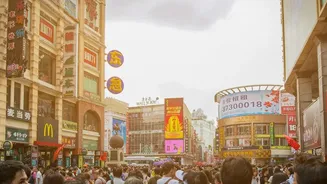
Strøget has been a car-free haven since 1962. What was once a controversial experiment is now the heart of Copenhagen, a bustling artery that proves cities can thrive by prioritizing people over vehicles. The name itself means 'to stroll', and that's precisely what you'll do along this 1.1-kilometre stretch connecting City Hall Square to King's New Square. It’s a shopper’s paradise, mixing high-end luxury brands with accessible high-street fashion. But it's more than just retail; Strøget is about soaking in the atmosphere, grabbing a coffee at an outdoor café, and watching the city’s diverse street performers.
The Shambles, York, England
Walking down The Shambles is like stepping into a medieval fairytale. This ancient street in York is famed for its magnificently preserved timber-framed buildings, with upper floors that jut out so far you can almost touch both sides of the street at once. Its name comes from 'fleshammels', an old term for the flesh-shelves used by butchers who once lined the street. While only one butcher remains, the meat hooks still hanging outside some shops are a nod to its past. Today, it’s filled with quirky independent shops, tea rooms, and several wizard-themed stores, thanks to its uncanny resemblance to the famous alley from the Harry Potter films.
Hosier Lane, Melbourne, Australia
A dynamic, open-air art gallery, Hosier Lane is the epicentre of Melbourne's world-renowned street art scene. This bluestone laneway is a chaotic and colourful explosion of murals, stencils, and paste-ups from local and international artists. The art is constantly changing, so every visit offers a new experience. It’s a raw, vibrant space where creativity is on full display, covering not just walls but windows and even wheelie bins. Though it began as an organic artist takeover, it's now a major tourist attraction, embodying the edgy and creative spirit of Melbourne. The lane is a living canvas that showcases a diverse range of artistic voices and political statements.
Via dei Fori Imperiali, Rome, Italy
Imagine strolling down a grand avenue with the Colosseum at one end and ancient Roman temples flanking your path. That is the experience of Via dei Fori Imperiali. While not yet fully pedestrianised, the city has banned private cars and has a grand project underway to transform it into a pedestrian boulevard by 2027. The plan will remove existing pavements and create terraces that offer direct views over the forums of Caesar and Augustus. This historic road, built to connect Piazza Venezia to the Colosseum, slices through the heart of ancient Rome. Walking here feels like a journey through history, with each step revealing another layer of the Roman Empire's staggering legacy. The ongoing transformation aims to make this monumental walk even more accessible and immersive for visitors.
Cat Street, Tokyo, Japan
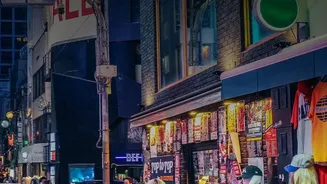
Nestled between the organised chaos of Shibuya and the vibrant Harajuku district, Cat Street is Tokyo's capital of cool. Officially the 'Old Shibuya River Promenade', this relaxed, car-free thoroughfare is where you’ll find the city's trendsetters. Its name has nothing to do with felines but everything to do with being a 'catwalk' for youth fashion and culture. The street is a curated mix of independent boutiques, vintage stores like the famous RAGTAG, highnd brands, and stylish cafes. Unlike the intense crowds of nearby Takeshita Street, Cat Street offers a more laid back vibe, perfect for people watching and discovering the next wave of Tokyo street style.
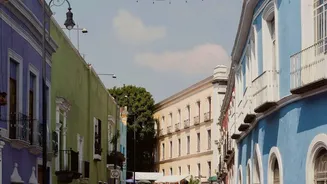
Meaning 'Street of Flowers', Rua das Flores is one of Porto’s most charming and atmospheric pedestrian routes. This narrow street in the city's historic centre connects the iconic São Bento Railway Station with the riverside Ribeira district. It’s lined with elegant 17th to 19thndry buildings, many adorned with traditional 'azulejo' tiles and coats of arms from noble families who once lived here. The street’s history is palpable, but today it thrives with a modern energy, home to boutique shops, artisan jewellers, inviting cafes, and street musicians. It's the perfect place for a leisurely walk than offering a picturesque blend of Porto's rich heritage and contemporary daily life.