






The Modern Appeal of Colour-Blocking
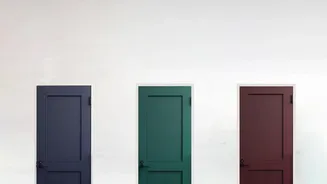
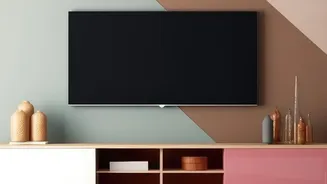
Colour-blocking is an interior design technique that uses distinct, solid blocks of colour to create visual structure and rhythm in a room. Instead of patterns or gradients, this approach relies on the clean, architectural placement of contrasting or complementary
hues. Think of a single, bold accent wall, a vibrant geometric shape painted behind a headboard, or a collection of solid-coloured canvases arranged together. This trend has moved from the fashion runway into our homes, offering a fresh way to express personality, define spaces, and highlight architectural features. It can make a neutral room feel lively or add a sophisticated, artistic touch to a minimalist space.
Why Removable Panels are a Game-Changer
The true innovation lies in combining this bold aesthetic with removable decor solutions. Removable wall panels—often in peel-and-stick formats—have surged in popularity for their incredible flexibility. For renters, they offer a way to personalise a space without risking a security deposit. For homeowners, they provide a low-commitment way to experiment with trends that might feel too daunting to paint permanently. These panels are designed for easy DIY installation and clean removal, coming away without residue or damage on properly prepared walls. This makes them perfect for temporary needs, children's rooms that evolve, or for anyone who simply loves to refresh their decor seasonally.
Choosing Your Colour Palette
The success of colour-blocking hinges on a well-chosen palette. A good starting point is the 60-30-10 rule: 60% of your space remains a dominant, often neutral colour, 30% is a secondary colour, and 10% is a bold accent. When selecting hues for your panels, consider the room's existing furniture and overall mood. Do you want a calming atmosphere with soft blues and greens, or an energising one with vibrant yellows and oranges? Using a colour wheel can help you find harmonious combinations, such as complementary colours (opposites on the wheel, like blue and orange) for high contrast, or analogous colours (next to each other, like blue and green) for a more serene feel.
Designing Your Layout
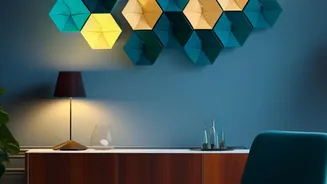
There are no strict rules when it comes to arranging your panels, which is part of the fun. You can create a structured grid for a clean, modern look, or a more scattered, asymmetrical layout for an eclectic vibe. Consider using panels to create a single large geometric shape or to frame a piece of furniture, like a sofa or a bed. Before you stick anything to the wall, it helps to sketch your design or lay the panels out on the floor to visualise the final result. This allows you to play with spacing and orientation until you find a composition that feels balanced and intentional.
DIY or Buy: Finding the Right Panels
You have two main paths for acquiring your panels. The DIY approach involves buying lightweight materials like foam board or thin plywood, painting them in your chosen colours, and attaching them to the wall with removable adhesive strips. This offers maximum customisation in terms of size, shape, and colour. Alternatively, many retailers now offer pre-made peel-and-stick wall panels in various materials, from fabric and vinyl to acoustic felt and thin wood. These ready-to-use options are convenient and can be installed in a single afternoon, making them a fantastic choice for a quick and impactful room refresh.
Installation for a Flawless Finish
Proper installation is key to ensuring your panels look professional and come off cleanly. Start with a clean, smooth, and fully cured wall. For peel-and-stick products, work one panel at a time. Peel back a small section of the backing, position the panel using a level to ensure it is straight, and then slowly smooth it onto the wall, pushing out any air bubbles as you go. The beauty of most self-adhesive panels is that the adhesive is pressure-sensitive, allowing you to lift and reposition them as needed to get the alignment just right. For DIY panels mounted with strips, make sure to check the weight allowance of the adhesive to ensure a secure hold.