
A Spot Among the World's Elite
In the latest rankings for the world's best cuisines, India secured the 12th position out of 100 countries. This places Indian food ahead of many prominent culinary landscapes, including those of the United States, South Korea, and Germany. The list,
which saw Greece and Italy take the top spots, is compiled based on hundreds of thousands of user ratings of dishes and food products from around the world. India's high placement is a testament to the global appeal of its diverse and flavourful offerings. Previously, India had ranked 11th in the 2023 list, showing consistent appreciation from global food lovers.
What Exactly is TasteAtlas?
For the uninitiated, TasteAtlas is not a panel of elite food critics but a vast, user-driven 'encyclopedia of flavours'. Founded by Croatian entrepreneur Matija Babić, it describes itself as a world atlas of traditional dishes, local ingredients, and authentic restaurants. The rankings are derived from the average ratings submitted by its global audience for thousands of dishes and food products. To maintain credibility, the platform uses mechanisms to filter out bot-driven, nationalist, or biased ratings, giving more weight to the ratings from users it identifies as knowledgeable. The goal is to celebrate and promote local food, reflecting the tastes of real people rather than just fine-dining establishments.
The Dishes That Drove the Rank
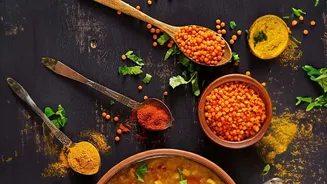
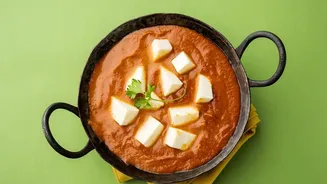
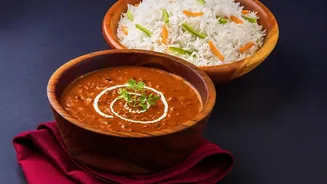
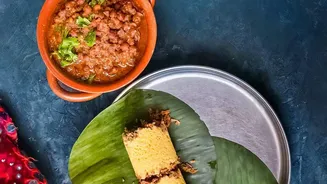
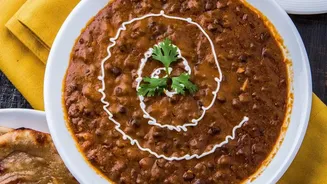
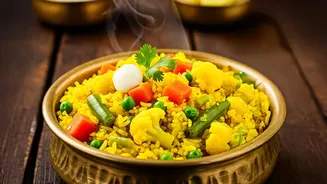
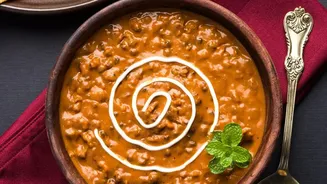
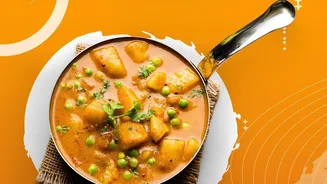
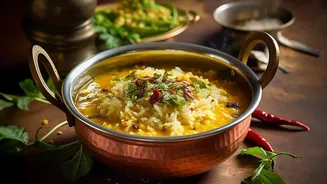
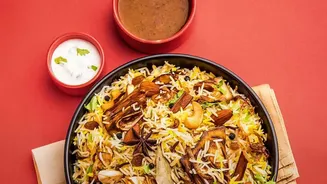
So, what specific dishes captured the world's palate? According to TasteAtlas, several Indian classics received stellar ratings, contributing to the country's high rank. The list of 'must-try' dishes includes Murgh Makhani (Butter Chicken), Hyderabadi Biryani, Amritsari Kulcha, and Butter Garlic Naan. In fact, Indian breads are a standout category, with Butter Garlic Naan and Amritsari Kulcha often topping the charts as some of the best-rated breads in the world. The iconic spice blend, Garam Masala, was also singled out for its essential role in Indian cooking, receiving a high rating of its own. These ratings highlight that from complex curries to simple flatbreads, the world has a growing appetite for authentic Indian flavours.
More Than Just a Single Cuisine
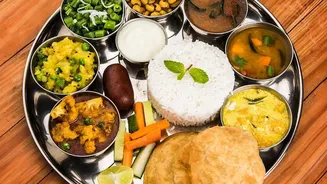
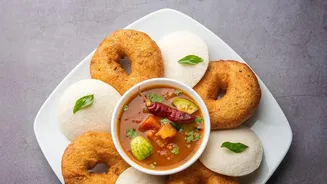
While such rankings are a source of pride, they also simplify the vastness of India's culinary landscape. To speak of 'Indian cuisine' is to speak of a collection of dozens of distinct regional food cultures, each with its own history, techniques, and cornerstone ingredients. The food of Kerala, with its coconut-based curries, is vastly different from the robust, tandoor-driven cuisine of Punjab. The vegetarian thalis of Gujarat contrast with the rich meat dishes of Lucknow. This ranking, therefore, doesn't capture one single entity but rather the collective appeal of countless regional specialities that have made their way to a global audience. The list also recommends iconic restaurants across the country, from Dum Pukht in New Delhi to Ram Ashraya in Mumbai, acknowledging this diversity.
A Celebration of Global Recognition
Ultimately, India's consistent presence in the upper echelons of global food rankings is a celebration of its soft power. It reflects a world that is moving beyond the one-dimensional view of Indian food as just 'spicy' or 'curry'. It's an acknowledgment of the complexity, tradition, and sheer deliciousness that defines food from every corner of the country. This growing appreciation encourages culinary tourism and gives global visibility to the chefs, street-food vendors, and home cooks who are the true guardians of this rich heritage. As more and more people explore dishes beyond butter chicken and naan, the world's understanding of what Indian food truly is will only continue to deepen and grow.