


The Gentle Art of Mindful Movement
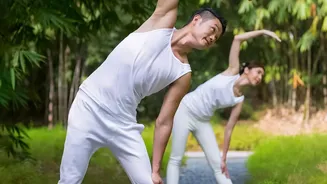
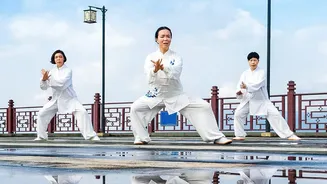
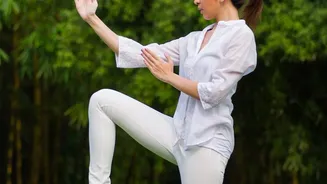
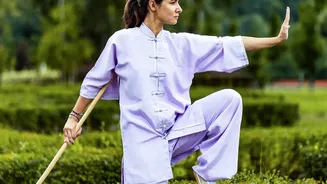
Often described as “meditation in motion,” Tai Chi is a mind-body practice that combines slow, deliberate movements, deep breathing, and mental focus. Unlike high-impact workouts, it involves a series of graceful, flowing postures that seamlessly transition
from one to the next. This ensures the body is in constant, gentle motion. The practice is non-competitive and self-paced, making it accessible to people of all ages and fitness levels. Its low-impact nature puts minimal stress on muscles and joints, which is why it is often recommended for older adults or those new to exercise.
Breaking the Stress Cycle with Repetition
The core of Tai Chi’s stress-reducing power lies in its use of repetition and focused attention. A single sequence can involve many distinct, coordinated actions of the hands, feet, and body. Learning and repeating these forms requires significant concentration. This cognitive load effectively hijacks the mind, preventing it from wandering to anxious thoughts or daily worries. Instead of ruminating on a stressful meeting or an endless to-do list, your attention is fully occupied by the physical task at hand. This intentional focus on the present moment—on the precise placement of a foot or the gentle arc of an arm—acts as a circuit breaker for the cycle of stressful thinking.
From Fight-or-Flight to Rest-and-Digest
The benefits are not just psychological; they are deeply physiological. Stress often triggers our sympathetic nervous system, the “fight-or-flight” response that tenses muscles and quickens breath. Tai Chi does the opposite. The combination of slow movements, mindful awareness, and controlled, deep breathing activates the parasympathetic nervous system, responsible for the “rest-and-digest” state. Regular practice can help lower levels of stress hormones like cortisol. This shift helps calm the body from the inside out, reducing muscle tension, slowing the heart rate, and promoting a state of profound relaxation. It essentially retrains your brain and body to better cope with the stressors you face daily.
A Moving Meditation
While the physical repetition is key, the mental component is just as important. Tai Chi is a form of mindfulness. It teaches you to pay close attention to your body’s sensations and your breath without judgment. This combination of movement and mindfulness is what makes it so effective for mental well-being. While some people find traditional seated meditation challenging because their minds wander, the constant, gentle movement of Tai Chi provides a tangible anchor for their focus. The goal isn't to perform perfectly but to remain present and intentional with each step and breath, cultivating a calm and steady inner rhythm.
More Than Just Stress Relief
While its effect on stress is profound, the benefits of Tai Chi extend to overall health. Studies have shown that regular practice can improve balance, flexibility, and cognitive function, especially in older adults. It has also been linked to better sleep quality, reduced symptoms of anxiety and depression, and improved mood. Research suggests it can even provide physical benefits comparable to brisk walking or resistance training, despite being a low-impact exercise. This makes it a holistic practice that supports both mental resilience and physical well-being, addressing many interconnected aspects of health simultaneously.