



Kerala's Cultural and Commercial Link
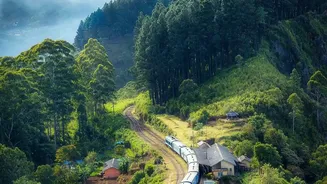
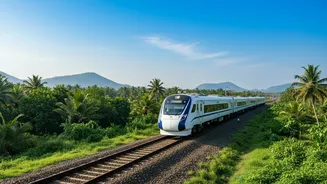
In Kerala, the short journey between Thrissur, the state's cultural capital, and Kochi, its bustling commercial hub, has become remarkably convenient. The introduction of the Vande Bharat Express has significantly cut down travel time, making a day trip
or a weekend visit more appealing than ever. Passengers can now travel between the two cities in roughly an hour to an hour and a half, a dramatic improvement that encourages spontaneous travel. This enhanced connectivity supports not just tourism but also the deep economic ties between the cities. Thrissur is renowned as a major gold and jewellery hub, and a proposed 'Gold Corridor' between it and Kochi aims to further strengthen this link, potentially boosting trade and skilled employment. For travellers, it means easily combining a morning exploring Kochi’s vibrant cafe culture and historic sites with an evening enjoying Thrissur's traditional arts.
Connecting Jharkhand's Industrial Heartland
Similarly, in Jharkhand, the Vande Bharat Express has bridged the distance between the state capital, Ranchi, and the industrial metropolis of Jamshedpur. What used to be a longer journey by rail is now a trip of about three and a half hours, making same-day return trips feasible for professionals, students, and families. This route connects two of the state's most vital urban centres, fostering greater economic integration. The faster train service benefits not only the corporate sector but also the student community and boosts regional tourism. The Prime Minister, during the launch of several services in the region, noted that such trains strengthen the economy of eastern India by enhancing cultural and economic activities. A professional from Ranchi can now attend meetings in Jamshedpur and be home by evening, while residents of Jamshedpur have quicker access to the state capital’s administrative and educational institutions.
The 'Vande Bharat' Effect on Travel
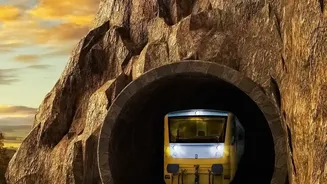
These two routes exemplify a broader trend across India, often called the 'Vande Bharat effect'. This 'Make in India' success story is about more than just speed; it's about fundamentally changing how people perceive domestic travel. With features like GPS-based information systems, bio-vacuum toilets, and an overall emphasis on passenger comfort, these trains offer a superior travel experience. The network's expansion is a strategic move to boost regional economies, tourism, and business travel. The Vande Bharat trains are designed to replace existing premium short-distance services like the Shatabdi Express, offering a modern, efficient, and comfortable alternative that reduces reliance on road and air travel for medium-distance routes. The impressive occupancy rates across the network underscore the growing public demand for this new era of rail travel.
More Than a Train Ride
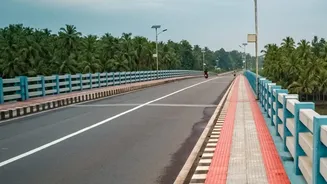
The impact of this improved connectivity extends beyond mere convenience. For the Thrissur-Kochi corridor, better transport links are part of a larger infrastructure push, including the development of National Highway 544, which enhances the connection between Kerala and Tamil Nadu. This synergy between road and rail development creates a powerful economic multiplier, benefiting local businesses from hotels to tour operators. In Jharkhand, the new train services are part of a massive investment in the state's railway infrastructure, which includes station revitalisation and 100% electrification of railway lines. By linking industrial hubs, cultural centres, and state capitals more effectively, this new generation of trains is not just carrying passengers; it's carrying aspirations for greater economic growth and regional prosperity.