


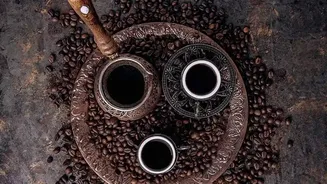

The Rise of the Coffee Purist
A global movement known as “third-wave coffee” has reshaped how we think about our daily brew. This trend treats coffee not as a simple commodity, but as an artisanal product, much like craft beer or wine. The focus is on the bean itself: its origin,
its specific flavour notes, and how it was grown and processed. This purist approach champions brewing methods like pour-overs and Aeropresses, which highlight the coffee's natural characteristics. The ideal way to experience these nuances, according to connoisseurs, is by drinking the coffee black. This movement has driven a new curiosity, with many urban consumers wanting to understand the story behind their cup, from the farm to the brewing method.
The Irresistible Comfort of Milk
Despite the rise of purism, the vast majority of coffee drinkers still prefer their beverage with milk. The reasons are rooted in pure sensory pleasure. Milk’s proteins and fats work wonders in a cup of coffee. They bind to bitter compounds like tannins, reducing astringency and creating a smoother, rounder flavour. The natural sugars in milk, like lactose, add a subtle sweetness, especially when steamed, which balances the coffee's natural acidity. This creates a taste profile that many find more harmonious and pleasant. Beyond flavour, milk adds a creamy, velvety texture and a richer mouthfeel, transforming the drink into something more luxurious and comforting.
A Deep-Rooted Cultural Connection
In India, the love for milk-based beverages is more than just a matter of taste; it's deeply cultural. As the world's largest producer and consumer of milk, India has a culinary heritage where dairy is indispensable. From morning chai and filter kaapi to festive sweets and daily curries, milk and its derivatives like ghee and curd are central to the Indian diet. Milk is often seen as a symbol of purity and nourishment. When Western-style cafés first gained popularity in India, the cappuccino was the perfect introductory drink because it aligned with the nation's palate, which was already accustomed to milky beverages. This pre-existing cultural preference provided a natural foundation for the enduring popularity of lattes and cappuccinos.
The Business of Cafés
There are also strong commercial reasons behind the dominance of milky coffee. For cafés, beverages like cappuccinos and lattes are reliable and profitable. They have high-profit margins; a cappuccino that costs a café ₹20-25 to make can easily sell for over ₹150 in an urban centre. These drinks are also a gateway for people new to coffee, as their milder, sweeter taste is more accessible than a bold, black espresso. While the specialty coffee market is growing, particularly among younger, urban consumers, milk-based drinks appeal to a much broader demographic. Cafés cater to this demand, with menus prominently featuring a wide array of lattes, cappuccinos, and frappes to ensure they serve the largest possible audience.
Two Worlds, One Coffee Shop
Ultimately, the rise of coffee purism hasn’t replaced the love for milk-based drinks—it has simply expanded the market. Today's coffee landscape is more diverse than ever, offering something for everyone. The purist can explore the subtle notes of an Ethiopian Yirgacheffe, while someone else finds daily comfort in a familiar, creamy flat white. One trend doesn't need to defeat the other. The modern café serves as a space where both preferences can thrive. The growing interest in specialty beans even benefits milk drinkers, as a better-quality espresso shot invariably leads to a better-tasting cappuccino. This evolution signifies a maturing coffee culture, where choice and personal preference are celebrated.