


A Swift Crackdown on Online Sales
The Karnataka Food Safety and Drug Administration Department has ordered the suspension of food licences for e-commerce giants Amazon, Swiggy Instamart, and BigBasket. The directive, issued in late August 2026, followed an investigation that found Datura
fruits and seeds being sold on these platforms for human consumption. Authorities have instructed the companies to immediately remove all listings and advertisements for Datura products. The action extends beyond the platforms themselves, with the department also ordering the suspension of licenses for the vendors and suppliers who were providing these toxic products to the online retailers. This comprehensive crackdown was initiated after complaints were filed regarding the online availability of the dangerous plant, which was, in some cases, being sold in packets bearing official Food Safety and Standards Authority of India (FSSAI) licence numbers.
What Is Datura and Why Is It So Dangerous?
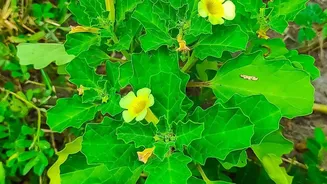
Datura, known colloquially as Dhatura, thorn apple, or jimsonweed, is a plant belonging to the nightshade family. While it has uses in traditional medicine, particularly Ayurveda, all parts of the plant are extremely toxic. It contains potent tropane alkaloids like atropine, scopolamine, and hyoscyamine, which are powerful anticholinergics that disrupt the nervous system. Ingestion can lead to a severe condition known as anticholinergic toxidrome. Symptoms of Datura poisoning appear rapidly and can include intense thirst, blurred vision, rapid heartbeat, high fever, and delirium. In severe cases, it causes terrifying hallucinations, psychosis, seizures, coma, and can ultimately be fatal. Experts warn that the concentration of these toxic compounds in the plant is unpredictable, making any ingestion a life-threatening gamble. An expert with the Karnataka State Medicinal Plants Authority clarified that while Datura is a medicinal plant, it is never sold as a fruit for general consumption and should only be handled by doctors and pharmaceutical companies after proper processing.
Using Food Safety Laws as a Weapon
The government's decision to use powers under the Food Safety and Standards Act (FSSAI), 2006, is a noteworthy aspect of this case. The investigation found that suppliers were listing Datura with FSSAI registration numbers, effectively misrepresenting a toxic plant as a food product. This allowed the food safety department to step in. By definition, the Act regulates the manufacture, storage, distribution, and sale of any article of food. By suspending the FSSAI licenses of the platforms, the authorities targeted the legal framework under which these companies operate their grocery and food delivery verticals. This novel approach addresses a regulatory grey area where dangerous substances are sold under the guise of food or herbal supplements. The department deemed that storing and selling Datura for consumption was impermissible and a serious public health risk, finding the responses from the e-commerce platforms unsatisfactory even when some offered to change labelling to "not for human consumption."
The Trigger and Broader Implications
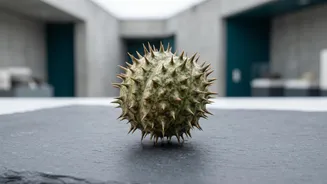
The crackdown was prompted by official complaints and growing concern over the easy availability of the toxic plant online, with some reports even suggesting it was being offered as a freebie with other purchases. This raised alarms about the potential for accidental poisoning, especially if consumers mistook the spiny fruit for an edible item. The action in Karnataka sets a significant precedent for food safety regulation across India. It signals that regulators are willing to hold e-commerce platforms accountable for the products sold by third-party vendors, especially when public health is at stake. The incident also casts a spotlight on the burgeoning online market for herbal and traditional remedies, which often operates with less scrutiny than the conventional food and pharmaceutical industries. This move could pave the way for stricter monitoring of all substances sold for consumption, ensuring that items classified as 'food' are indeed safe and that toxic plants are not sold to an unsuspecting public.