


The Rhythm is Going to Get You
At the heart of every Zumba class is the music. The Latin-inspired beats of salsa, merengue, and cumbia are infectious, and that's by design. Instructors typically use songs with around 145 beats per minute, a tempo that naturally encourages a faster
pace and higher heart rate. This isn't just background noise; the music plays a vital psychological role. Research shows that upbeat, rhythmic music can significantly boost mood and make exercise feel less strenuous. Your brain gets caught up in the beat, distracting you from the physical effort and the daily stresses you walked in with. Instead of counting reps, you're focused on the rhythm and the steps, which helps your mind feel refreshed and revived.
Freedom in Movement
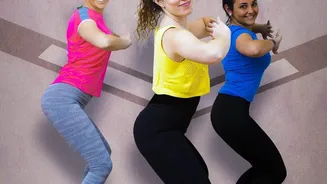
Unlike rigid, repetitive gym routines, Zumba is built on expressive dance. The choreography fuses styles like salsa, hip-hop, and samba, creating a dynamic, full-body workout that feels more like a party than exercise. This sense of fun is crucial. The goal isn't perfect technique but joyful participation. This welcoming approach encourages you to let loose in a judgment-free zone. The physical act of dancing engages multiple brain areas at once—sensory, motor, and emotional—improving coordination and cognitive function. The release of endorphins, often called 'feel-good' hormones, during this type of cardiovascular activity provides an immediate mood lift and a tangible energy boost that can last throughout the day.
The Power of the Group
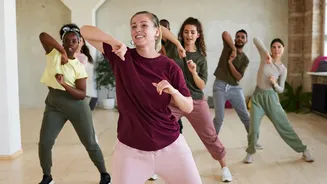
Exercising alone can be a struggle for motivation, but working out in a group changes the dynamic entirely. Studies show that people tend to work harder and more consistently when they are part of a group. This is partly due to a phenomenon where the shared energy of the room becomes a powerful motivator. Seeing others dance, sweat, and smile alongside you creates a sense of community and accountability. Research has even found that moving in sync with others can increase pain tolerance and deepen feelings of social connection. This social aspect is a key ingredient in Zumba's formula for success, helping to combat feelings of isolation and boosting mental and emotional quality of life.
Building Long-Term Vitality
The immediate energy lift after a class is undeniable, but the long-term benefits are just as significant. Regular Zumba participation improves cardiovascular health, stamina, and muscular endurance. As your aerobic fitness improves, your body becomes more efficient at using oxygen, meaning daily tasks become less tiring. This high-intensity interval training also helps boost your metabolism, allowing your body to burn energy more efficiently even when you're not in class. By engaging every major muscle group, from your legs and core to your arms, Zumba provides a comprehensive workout that builds a stronger, more resilient body. This increased physical capacity translates directly into having more sustained energy for everything else you do in life.