





The Secret to Clove’s Potency
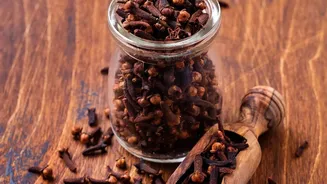
The incredible power packed into a tiny, dried flower bud comes down to a natural compound called eugenol. This is the primary active ingredient in cloves, making up 70-90% of its essential oil. Eugenol is responsible for the spice's signature flavour
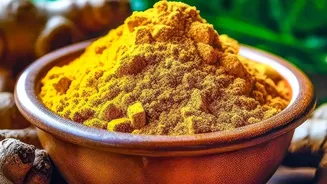
profile: warm, sweet, peppery, and slightly bitter. It's so potent that it delivers a commanding aroma and taste even in the smallest quantities, which is why most recipes call for just a pinch of ground cloves or a few whole ones. When cloves are ground, their surface area increases, releasing this powerful flavour and aroma much more quickly than whole buds. This makes ground cloves instantly impactful but also means they lose their potency faster once exposed to air.
More Than Just Intense Flavour
The eugenol that gives clove its strong taste is also behind many of its traditional health applications. For centuries, cloves have been used in Ayurvedic and Chinese medicine. Modern science confirms that eugenol has significant antioxidant and anti-inflammatory properties. Antioxidants help the body fight cellular damage from free radicals, which can reduce the risk of chronic diseases. Its anti-inflammatory effects can help manage symptoms in conditions like arthritis. Cloves are also celebrated for their antimicrobial and antiseptic qualities. This is why clove oil has been a trusted home remedy for toothaches; it can help numb the area and fight oral bacteria that contribute to gum disease. Additionally, cloves can aid digestion by stimulating the secretion of digestive enzymes, which may help reduce indigestion and bloating.
Finding the Right Balance
While beneficial in small amounts, the powerful nature of eugenol means that too much can be harmful. Overconsumption, particularly of concentrated clove oil or supplements, can lead to serious health issues, including digestive irritation, nausea, and even liver damage in extreme cases. The World Health Organization suggests an acceptable daily intake of eugenol at about 2.5 mg per kilogram of body weight. For most adults, this translates to a safe culinary amount of about a quarter to a half teaspoon of ground cloves per day. Because eugenol can also have blood-thinning properties, individuals on anticoagulant medications or preparing for surgery should be especially cautious. Used correctly in cooking, cloves are perfectly safe and add wonderful complexity, but it is a spice that demands respect.
A Practical Guide for Your Kitchen
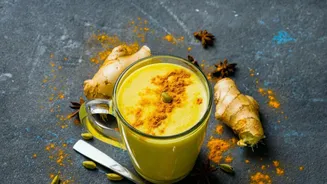
Knowing how potent ground clove is helps you use it to elevate dishes without overpowering them. In Indian cooking, it's a key component of spice blends like garam masala and is used in everything from rich curries to fragrant rice dishes like biryani and pulao. For a family-sized curry or sabzi, a small pinch (less than a quarter teaspoon) of ground clove is usually sufficient to add warmth and depth. For masala chai, one or two whole cloves per cup are enough to infuse the brew with their characteristic flavour. Ground cloves also work beautifully in sweet dishes, balancing the sweetness in kheer or halwa. Because ground cloves have a more intense, immediate flavour than whole ones, a good rule is to use about three-quarters of a teaspoon of ground cloves when a recipe calls for one teaspoon of whole cloves.