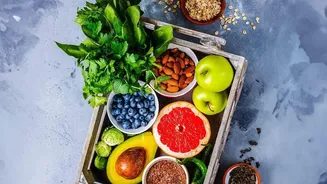








What Are Ultra-Processed Foods?
Before diving into the study, it's crucial to understand what 'ultra-processed foods' (UPFs) really are. The term, based on the NOVA classification system, doesn't just mean any food in a package. It refers to industrial formulations made mostly from
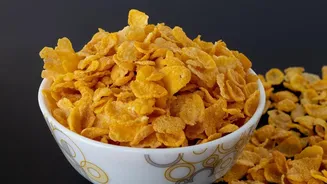
substances extracted from foods, plus additives. Think of ingredients you wouldn't find in a home kitchen: artificial colours, flavours, emulsifiers, and preservatives. Common examples in the Indian diet include instant noodles, packaged biscuits and namkeen, sugary breakfast cereals, soft drinks, and many ready-to-eat meals. While minimally processed foods like dal or frozen vegetables are staples, UPFs are engineered for hyper-palatability and long shelf life.
The Silent Threat of Atherosclerosis
Atherosclerosis is a condition where plaque—a mix of fat, cholesterol, calcium, and other substances—builds up inside your arteries. This buildup hardens and narrows the arteries, restricting blood flow to vital organs. Most people have no symptoms in the early stages, making it a silent and slow-developing disease that can begin in childhood. The danger escalates when a plaque ruptures, which can trigger a blood clot that completely blocks blood flow, leading to a heart attack or stroke. Conditions like high blood pressure, high cholesterol, and diabetes are known risk factors for this arterial damage.
Decoding the UK Biobank Study
The new research, a prospective study using data from the vast UK Biobank, provides a crucial piece of the puzzle. Scientists analysed the dietary habits of 133,797 participants who were free of atherosclerosis at the start. Over a median follow-up of nearly 11 years, they documented 654 new cases of the disease. The findings were clear: higher consumption of UPFs was significantly associated with a greater risk of developing atherosclerosis. Specifically, individuals in the highest quarter of UPF consumption had a 29% to 40% increased risk compared to those in the lowest quarter. The study reinforces the link between modern dietary patterns and cardiovascular disease.
Why the Connection? The Science Explained
Researchers believe several mechanisms could explain the link. UPFs often contribute to poor diet quality by displacing more nutritious whole foods like fruits and vegetables. They are typically high in added sugar, unhealthy fats, and sodium, and low in fibre and essential nutrients. This profile can promote chronic inflammation, a key driver of the arterial damage that leads to plaque buildup. Furthermore, the industrial processing itself, along with food additives and the altered physical structure of the food, may disrupt gut health and metabolic processes, further contributing to weight gain, insulin resistance, and hypertension—all risk factors for atherosclerosis.
What This Means for Your Health
This study is observational, meaning it shows a strong correlation rather than direct causation. However, it adds to a growing body of evidence suggesting that diets high in UPFs are detrimental to long-term health. The takeaway for Indian consumers, where UPF sales have been rising exponentially, is not to panic but to be mindful. It's about shifting the balance. Start by identifying the main sources of UPFs in your diet. Could you swap a packaged breakfast cereal for homemade poha or upma? Or replace a daily biscuit habit with a piece of fruit or a handful of nuts? Small, consistent changes towards whole and minimally processed foods can make a significant difference in reducing your risk of cardiovascular disease over time.