


Mastering the 'Magic Hours'
In photography, timing is everything, and two periods are universally celebrated: the golden hour and the blue hour. The golden hour occurs shortly after sunrise and just before sunset. During this time, the sun is low on the horizon, casting a soft,
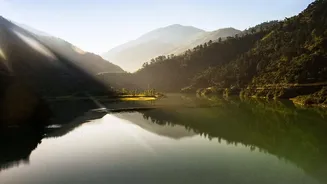
warm, and reddish glow that enriches landscapes and creates long, dramatic shadows. For lake photography, this light accentuates textures on the water and surrounding hills, producing images with a warm, intimate feel.The blue hour is the brief window just before sunrise and right after sunset, when the sun is below the horizon. This period bathes the scenery in a cool, blue-toned, and diffused light. It’s perfect for capturing a serene, tranquil, or even moody atmosphere. At a lake, the blue hour can create stunning, minimalist images where the water and sky blend in a soft, ethereal palette.
Seasonal Light: Autumn and Winter
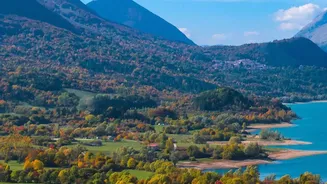
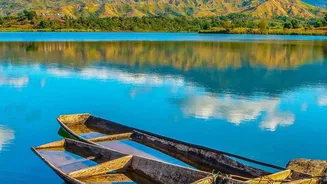
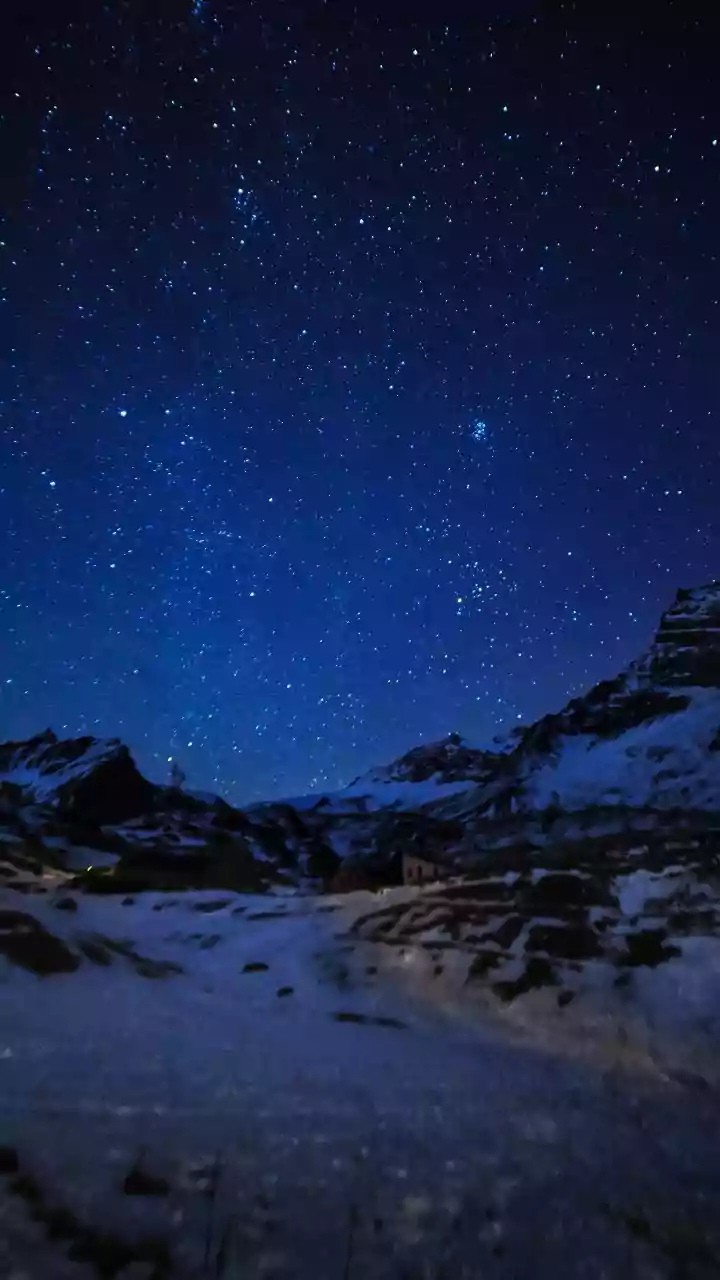
The seasons in Northeast India dramatically transform the photographic potential of its lakes. Autumn, from October to November, is often considered ideal. This period typically features clear skies, crisp air, and excellent visibility, which is perfect for capturing sharp, vibrant images. The post-monsoon clarity means the lakes are full and often still, creating perfect conditions for mirror-like reflections of the surrounding mountains. The light turns a beautiful gold in the late afternoon, enhancing the autumn colours in the hills.Winter, from December to February, offers a completely different aesthetic. At high-altitude lakes like Tsomgo, this is the season of snow and frozen landscapes. The lake may freeze over, and the surrounding peaks are draped in white, providing a dramatic, high-contrast scene. While the cold can be challenging for both photographers and their gear, the crystal-clear winter light and the unique, stark beauty make it a rewarding time to shoot.
Seasonal Light: Spring and Monsoon
Spring, from March to May, brings life back to the mountains. This is when alpine flowers, including vibrant rhododendrons, bloom around the lakeshores, adding bursts of colour to your compositions. The weather is generally pleasant, and the melting snow feeds the lakes, keeping them full and a deep blue or green.Monsoon, from June to September, is the most challenging season but can yield powerful and atmospheric images. The region experiences heavy rainfall, and the landscape becomes intensely green. The constant cloud cover and mist create a soft, diffused light that is excellent for capturing moody, dramatic scenes without harsh shadows. For photographers willing to brave the rain, the monsoon offers a chance to shoot unique images of mist-shrouded lakes and vibrant, rain-washed foliage. However, be prepared for travel disruptions like landslides.
Lake Spotlight: Tsomgo, Sikkim
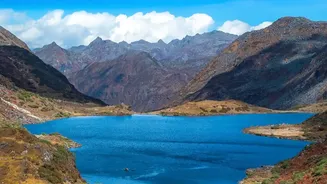
At an altitude of over 12,000 feet, Tsomgo Lake (also known as Changu Lake) is a high-altitude glacial wonder. Its appearance changes drastically with the seasons. For classic reflection shots, visit in autumn (October-November) when the skies are clearest. Winter (December-February) is for those seeking a fairytale snowscape, as the lake often freezes completely. Due to military regulations, all tourist vehicles must typically leave the area by the early afternoon, so a true sunset golden hour isn't possible. Your best light will be in the early morning for calm reflections or between 1:30 PM and 2:45 PM for a warm afternoon glow on the surrounding peaks before you must depart. Remember, a Protected Area Permit is required to visit.
Lake Spotlight: Loktak, Manipur
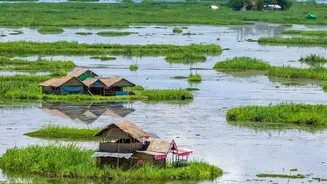
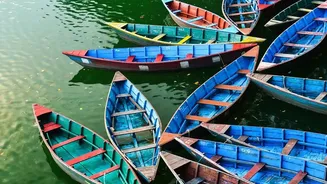
Loktak Lake is the largest freshwater lake in Northeast India, famous for its 'phumdis'—unique floating islands of vegetation. These circular landmasses, some with huts built on them, make for extraordinary photographic subjects. The best way to capture life on the lake is by boat, which allows you to photograph the fishermen in their narrow vessels and the unique ecosystem up close. The golden hours of sunrise and sunset are spectacular here. Sunrise paints the sky and water with soft colours, while sunset creates dramatic silhouettes of the phumdis and fishing boats. A view from a nearby hillock can also provide a stunning panoramic perspective of the entire lake system.
Lake Spotlight: Umiam, Meghalaya
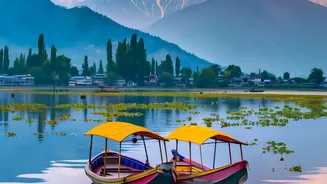
Often called Barapani, Umiam Lake is a vast reservoir surrounded by the rolling Khasi Hills. It is one of the first breathtaking views when driving from Guwahati to Shillong. For the most magical experience, arrive between 6 AM and 8 AM. At this time, mist often rises from the water's surface, the early light makes the pine-covered hills glow, and the atmosphere is serene before the daily crowds arrive. The post-monsoon months of October and November are particularly beautiful, as the hills take on autumn hues and the skies are clear. Various viewpoints along the highway offer the classic postcard shot, but getting down to the water level for boating provides a different perspective entirely.