


Tell a Story with Colour and Texture
The first step to a cohesive display is to decide on a unifying theme. This doesn't mean every pot must be identical; in fact, variation is key. Instead, aim for a common thread. You might choose a specific colour palette, such as neutral tones of white,
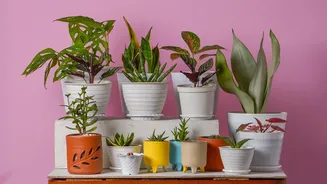
beige, and soft grey for a calm, sophisticated atmosphere. Or, you could opt for a family of colours, like blues and greens, to create a tranquil vibe. Texture is another powerful tool. Grouping pots with similar finishes—whether glossy, matte, or a rustic, earthy texture—creates a deliberate and harmonious look. The goal is to make the collection feel intentional, as if each piece was chosen to complement the others.
The Magic of Odd Numbers
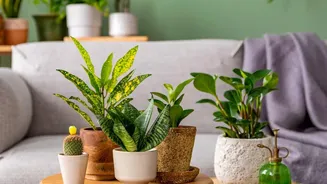
A well-known guideline in interior design is the 'rule of three'. Grouping items in odd numbers—three, five, or seven—tends to be more visually appealing and natural to the human eye than even-numbered arrangements. An even number of pots, like two or four, can create a sense of formal symmetry that can feel rigid or static. An odd number, however, creates a more dynamic and relaxed composition. It encourages the eye to move around the grouping, taking in each element. When you start, aim for a simple cluster of three pots. This small change is often enough to create a noticeable impact and a professionally styled feel.
Play with Height and Scale
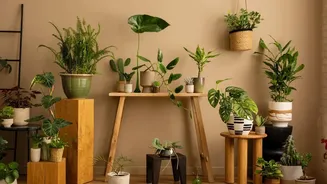
A flat, uniform arrangement can feel monotonous. To create visual interest, it's crucial to vary the heights and sizes of your pots and plants. This adds depth and dimension to your display, guiding the viewer's eye through the arrangement. Place a tall plant or a large pot at the back to act as an anchor, then layer in medium and smaller pots in front. You can use a mix of tall, upright plants, bushy filler plants, and trailing vines that spill over the edges to create a lush, layered effect. This technique, sometimes called 'thriller, filler, and spiller', is a classic way to build a balanced and captivating container garden.
Repetition Creates Rhythm
While variety is important, repetition is what ties the whole look together. Repeating a specific element throughout your grouping helps create a sense of rhythm and cohesion. This could mean using several pots of the same colour but in different sizes, or featuring the same type of plant in different planters. For instance, you could line a windowsill with three identical terracotta pots, each holding a different herb. The matching pots provide unity, while the different plants add subtle variety. Repetition gives the eye a pattern to follow, making the overall display feel organised and thoughtfully designed rather than accidental.
Consider Placement and Spacing
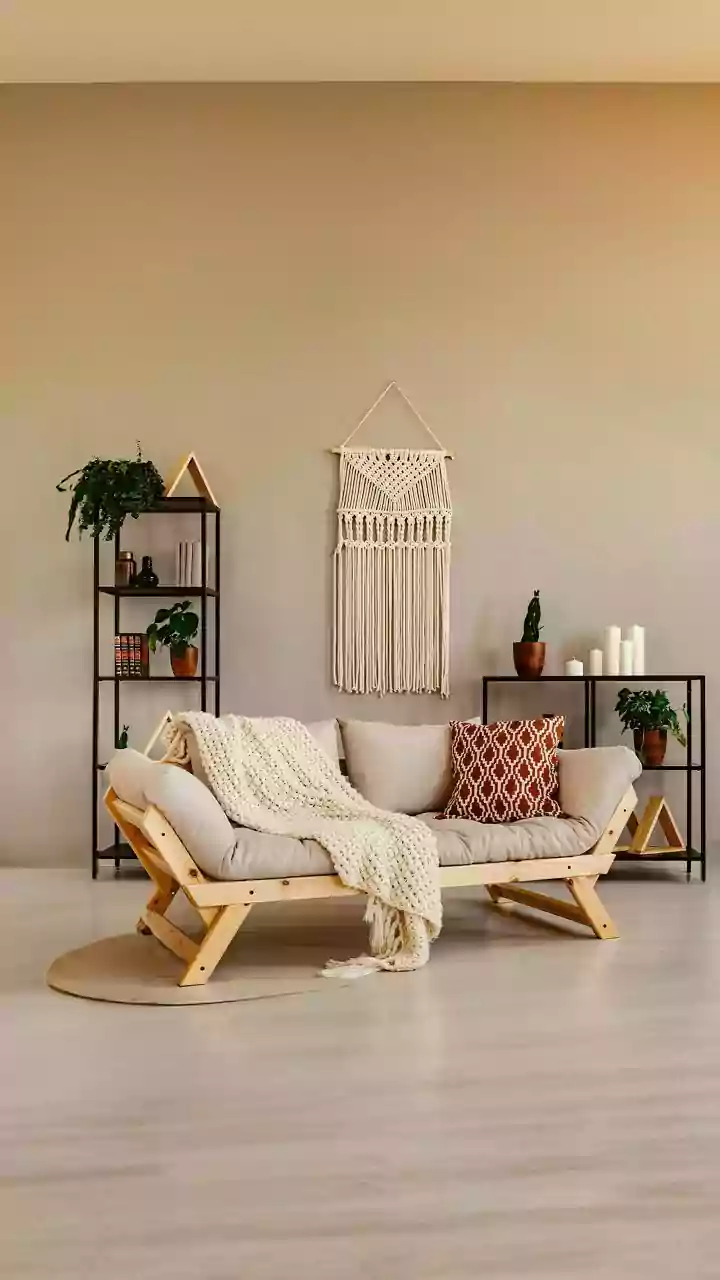
Where you place your group of pots is just as important as how you arrange them. An empty corner, a bare windowsill, or the surface of a console table can be transformed into a stunning focal point with a well-placed plant cluster. Think about the needs of your plants—group those with similar light and water requirements together to make care easier. Don't overcrowd the pots; a little bit of space between them allows each plant to be appreciated. To further unify the grouping, consider placing the pots on a decorative tray, a small bench, or a tiered plant stand. This creates a defined 'home' for your collection, making it look even more deliberate and stylish.