

A New Appetite for Authenticity
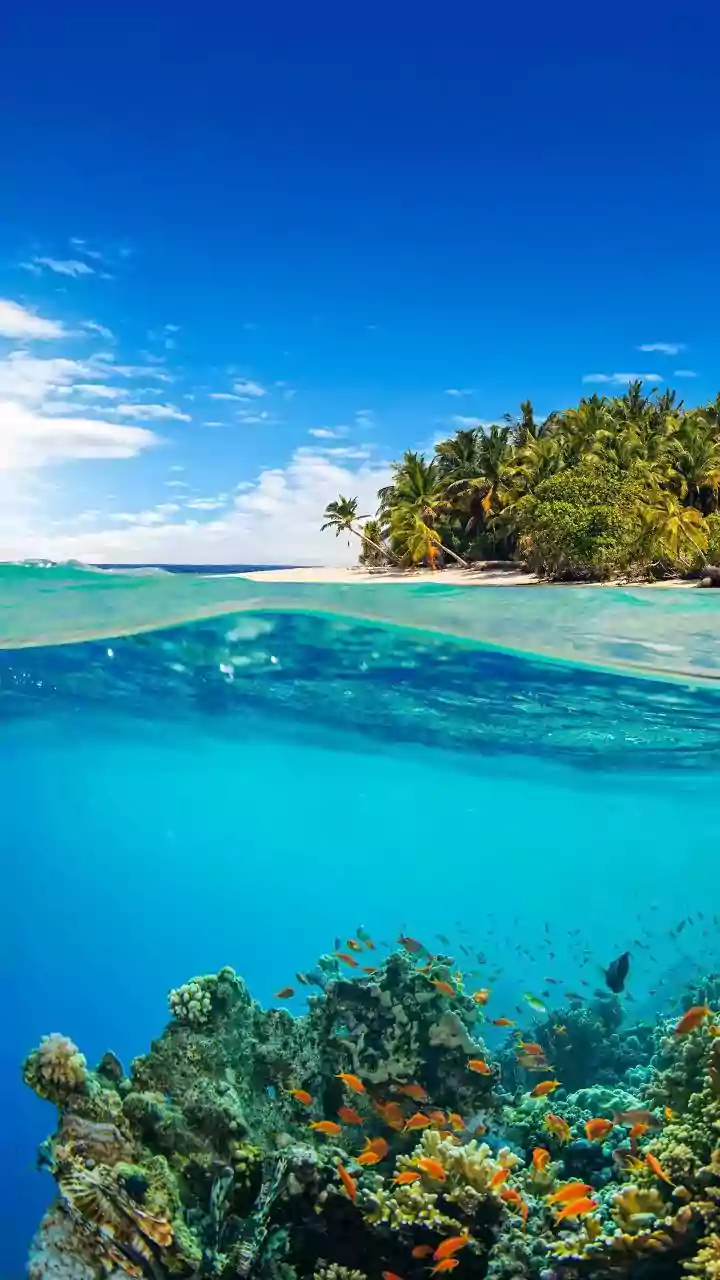
For decades, the Maldivian dream was sold as a private island fantasy, complete with international cuisine and amenities that could be anywhere in the world. While that luxury still exists, a significant shift is happening. A new wave of travellers, and indeed
Maldivians themselves, are looking past the infinity pools to rediscover the nation's true soul. This movement is driven by a growing desire for authentic experiences that connect visitors to the place itself. The rise of tourism on inhabited local islands has been a huge catalyst, allowing guests to experience the real Maldives. In response, even the most exclusive resorts are realizing that the new luxury isn't just about thread counts; it's about culture, connection, and a sense of place. This has created a space for local food and crafts to move from the periphery to the spotlight.
Beyond the Buffet: The Flavours of the Maldives
Maldivian cuisine, also known as Dhivehi cuisine, is a vibrant reflection of its island geography. For centuries, it has been built around three core elements: fish (especially tuna), coconut, and starches. A classic Maldivian breakfast, for instance, is mas huni—a flavourful mix of shredded smoked tuna, coconut, onion, and chilli, typically eaten with a thin flatbread called roshi. Another staple is garudhiya, a fragrant and surprisingly complex clear fish broth that forms the heart of many meals. These dishes, along with spicy curries like mas riha (tuna curry) and an array of bite-sized snacks called hedhikaa, were once primarily found in local homes and island cafes. Now, they are increasingly appearing on resort menus, with some high-end properties offering dedicated Maldivian food nights and cooking classes that celebrate these traditional flavours.
Woven into the Culture: The Art of Maldivian Crafts
Just as the food tells a story of the sea, Maldivian crafts tell a story of island ingenuity. Using the limited materials available—like coconut wood, reeds, and shells—artisans developed unique skills that have been passed down through generations. One of the most celebrated is liyelaa jehun, or lacquer work. Artisans from the island of Thulhaadhoo in Baa Atoll are particularly famed for this craft, meticulously shaping wooden boxes, vases, and bowls and decorating them with intricate patterns in bold red, black, and yellow lacquers. Equally impressive is thun'du kunaa, the art of weaving mats from reeds. Women traditionally undertake this craft, creating beautiful and durable mats with complex geometric designs that were once used for sleeping, praying, and even as gifts for royalty. Today, these crafts are being championed by resorts and local guesthouses not just as souvenirs, but as integral parts of their design and identity, connecting guests to the islands' rich artistic heritage.
Why Local Is the New Luxury
This cultural resurgence is more than just a trend; it's a fundamental shift in the Maldivian tourism model. The growth of locally-owned guesthouses has empowered island communities and provided an alternative to the resort-dominated industry. It has fostered a new sense of pride and created economic incentives to preserve and promote local culture. Simultaneously, a new generation of Maldivian-owned resorts is intentionally blending high-end hospitality with a deep respect for heritage, featuring local art in their villas and prioritising traditional cuisine. This creates a more sustainable and equitable form of tourism, where the benefits are shared more widely and the very culture that makes the Maldives unique is protected and celebrated. For the traveller, it means the opportunity for a much deeper and more meaningful connection to this beautiful island nation.