



A New View of the Poles
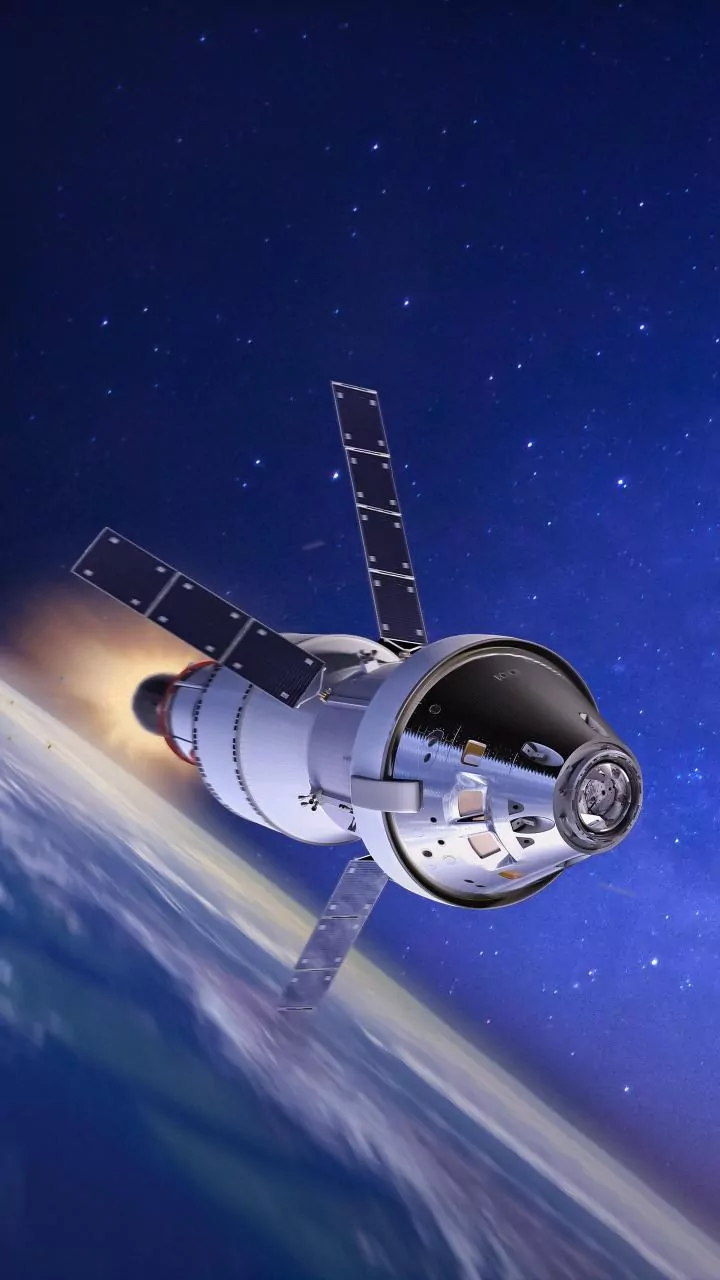
A pair of shoebox-sized satellites has given scientists an unprecedented look at how the Arctic and Antarctic breathe. The NASA mission, known as the Polar Radiant Energy in the Far-InfraRed Experiment (PREFIRE), began collecting science data in July
2024. Its goal was to systematically measure a type of energy that had never been comprehensively tracked from the poles: far-infrared radiation. Now, after two full years of observation, the mission has assembled a continuous record showing how this invisible heat release pulses with the dramatic seasonal swings at the top and bottom of the world. This data provides the 'new clues' scientists have been waiting for to fill critical gaps in our understanding of the polar climate.
The Importance of Far-Infrared
To understand Earth's climate, you have to balance the energy budget: the energy coming in from the sun versus the energy radiating back out to space. The polar regions are crucial to this process. They act as exhaust vents, releasing excess heat that ocean and atmospheric currents carry up from the tropics. A surprising amount of this energy—nearly 60% of what the Arctic emits—is in the form of far-infrared radiation. This is energy at wavelengths that most previous climate-monitoring satellites weren't equipped to measure systematically. Without measuring it, climate models had to rely on estimates, leaving a significant blind spot in projections for polar warming, ice melt, and sea-level rise.
Two Years of Polar Rhythms
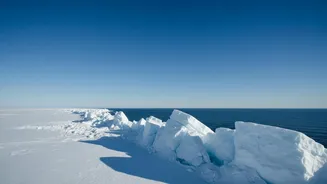
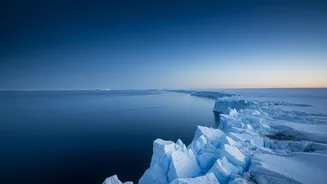
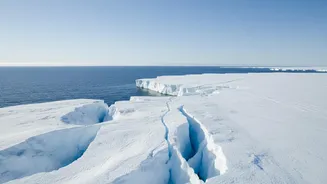
The PREFIRE mission's two CubeSats orbit in a way that allows them to pass over the same spot a few hours apart, capturing how conditions change over short timescales. The two-year dataset reveals the distinct personalities of the two poles. The Arctic, an ocean surrounded by land, experiences vast thawing of sea ice and tundra in its comparatively warm summer. In contrast, Antarctica, a massive ice-covered continent, remains largely below freezing even during its summer months before plunging back into extreme winter cold. The new animations released by NASA show these temperature fluctuations in vivid detail, but more importantly, the underlying data quantifies the far-infrared heat being released throughout these cycles, revealing how different surfaces like snow, ice, and open water radiate energy differently.
Refining Our Climate Crystal Ball
This two-year record is a goldmine for climate modelers. The PREFIRE data provides a real-world anchor for what were previously theoretical calculations of far-infrared heat loss. By inputting this detailed information, scientists can significantly improve the accuracy of climate models. Better models mean more reliable predictions about the rate of Arctic warming, which is currently happening about three times faster than the rest of the planet. This, in turn, allows for more precise forecasts of ice sheet stability, changes in global weather patterns, and the pace of sea-level rise that affects coastal communities worldwide. According to NASA, the near-real-time measurements could help refine everything from shipping route forecasts to our understanding of river flows.