







First, What Are CAFE Norms?
Before diving into the new changes, it's important to understand the basics. CAFE stands for Corporate Average Fuel Economy. Unlike emission norms that apply to a single car model, CAFE standards measure the average fuel efficiency across a manufacturer's
entire fleet of vehicles sold in a year. This means a carmaker can still sell a large, less efficient SUV, but they must balance it out by selling enough small, highly efficient hatchbacks or electric vehicles to meet their overall fleet target. India introduced the first phase of these norms in 2017, with the second phase kicking in from 2022, all with the goal of making cars more fuel-efficient, reducing the country's massive oil import bill, and curbing pollution.
The Big Twist: Trading Emission Credits
The proposed CAFE III norms, set to be implemented from April 2027, introduce a powerful new element: a market-based credit trading system. Here’s how it works: automakers that beat their mandated fuel efficiency targets will earn 'credits'. Those who fail to meet the targets will have a 'debit'. Instead of just paying a penalty, manufacturers with a deficit can now buy surplus credits from those who have an excess. This creates an entirely new marketplace within the auto industry, where clean technology and fuel efficiency become tradable assets. The government's draft notification outlines this system, giving automakers greater flexibility in how they comply with the progressively tightening emission goals.
A New Economic Battlefield
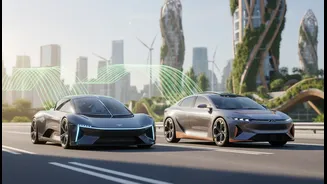
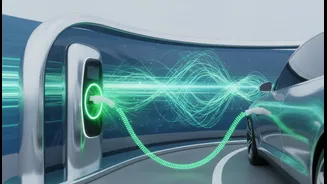
This credit system fundamentally changes the economic calculation for car companies in India. A manufacturer with a strong portfolio of electric vehicles (EVs) and efficient hybrids can now generate a new revenue stream by selling its surplus credits. According to recent reports, EV-focused manufacturers are expected to benefit significantly from these provisions. Conversely, automakers heavily reliant on traditional petrol and diesel engines without a strong electrification strategy will face a tough choice: invest heavily in new, expensive technologies or buy credits from their competitors. This dynamic is designed to accelerate the shift towards cleaner vehicles by making it economically rewarding.
The Potential Winners and Losers
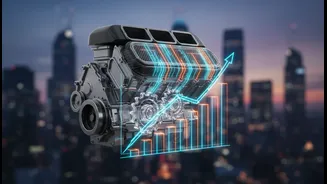
The lines are already being drawn. Companies that have invested early and aggressively in EVs and strong hybrids are positioned to be the 'sellers' in this new market. For instance, manufacturers with a high share of EVs or strong hybrids will earn 'super credits,' where each clean vehicle sold counts for more in the fleet average calculation, making it easier for them to generate a surplus. On the other hand, mass-market automakers whose portfolios are dominated by internal combustion engine (ICE) vehicles face the highest compliance risk. They will need to either rapidly introduce more efficient technologies like hybrid systems and start-stop tech or become 'buyers' of credits, adding to their operational costs.
What This Means For Indian Car Buyers
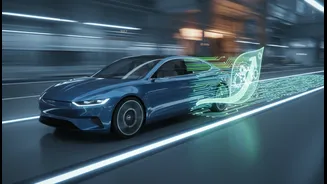
Ultimately, these industry-level shifts will be felt in showrooms across the country. The increased cost of compliance for certain types of vehicles could be passed on to the consumer, potentially making some conventional petrol and diesel models more expensive. At the same time, the system is designed to make EVs and hybrids more attractive for manufacturers to produce and sell, which could lead to more options and potentially more competitive pricing in the long run. The norms will push carmakers to adopt a range of fuel-saving technologies, from improved aerodynamics and lightweight materials to advanced hybrid systems. While upfront costs might rise for some models, the overall goal is to provide consumers with more efficient cars that have lower running costs over their lifetime.