





Why Ragi Belongs in Your Breakfast
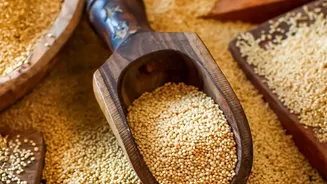
Known as ragi or nachni in India, finger millet is a nutritional powerhouse that has been a staple for generations. This naturally gluten-free grain is celebrated for its high calcium, iron, and fibre content. The dietary fibre helps keep you feeling
full for longer, aids in digestion, and can help in managing blood sugar levels, making ragi an excellent choice for a sustained energy release to start your day. Traditionally used in porridges and flatbreads, its unique flavour profile makes it a surprisingly sophisticated addition to the modern pancake.
Embracing the Earthy Flavour
The primary appeal of adding ragi to pancakes is the unique taste. Finger millet has a distinct flavour that can be described as nutty and earthy, with a subtle, malty sweetness. Some might even detect a slight, pleasant bitterness, similar to that found in dark chocolate. This complex taste profile provides a welcome contrast to the usual sweetness of pancakes. It pairs beautifully with classic toppings like honey, jaggery, and maple syrup, and stands up well to bold additions like bananas, nuts, and even a sprinkle of cinnamon or cardamom. To enhance its flavour, you can lightly dry-roast the ragi flour for a few minutes until it releases a nutty aroma before adding it to your batter.
Getting the Right Texture
Because ragi flour is gluten-free, it behaves differently from whole wheat or refined flour (maida). Using 100% ragi flour can result in dense, heavy pancakes. For a fluffier, lighter texture that’s still packed with flavour, a blend is often best. A good starting point is a 1:1 ratio of ragi flour to whole wheat flour or another flour of your choice. This combination gives the pancakes structure while allowing the earthy ragi flavour to shine through. Since ragi flour is highly absorbent, you might need to add a bit more liquid (like milk or buttermilk) to your batter to reach the right pouring consistency. Letting the batter rest for about 10 minutes before cooking can also help improve the texture.
A Simple Ragi Pancake Recipe
This foolproof recipe balances flavour and texture for the perfect ragi pancakes. Ingredients: ½ cup ragi flour, ½ cup whole wheat flour, 1 teaspoon baking powder, a pinch of salt, 1 tablespoon jaggery powder or sugar (optional), 1 egg (or 1 mashed banana for an eggless version), ¾ to 1 cup milk (or buttermilk), and 1 tablespoon melted butter or ghee, plus more for cooking. Instructions: First, whisk together the dry ingredients—ragi flour, wheat flour, baking powder, salt, and jaggery powder—in a large bowl. In a separate bowl, whisk the egg, then mix in the milk and melted butter. Pour the wet ingredients into the dry ingredients and mix gently until just combined; a few lumps are perfectly fine. Be careful not to overmix. Let the batter rest for 5-10 minutes.
Cooking and Serving Your Pancakes
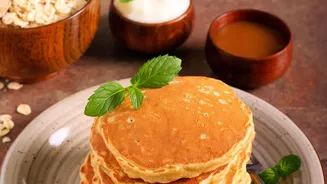
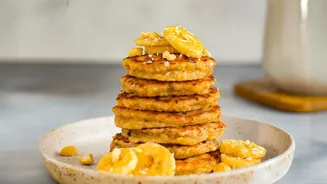
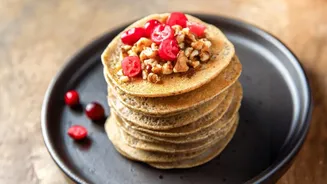
Heat a non-stick tawa or griddle over medium heat and lightly grease it with ghee or butter. Pour a ladleful of batter onto the hot surface. Cook for about 2 minutes, or until you see bubbles forming on the surface and the edges look dry. Flip carefully and cook the other side for another minute or two until golden brown and cooked through. Because of the dark colour of the ragi flour, the pancakes will be a deep brown. Serve the warm pancakes immediately in a stack. They are delicious drizzled with honey or maple syrup and topped with fresh fruits like sliced bananas, berries, and a handful of toasted nuts for extra crunch.