
The Creamy Conundrum
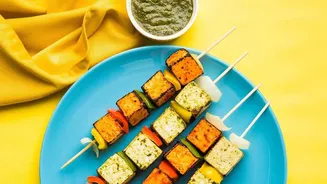
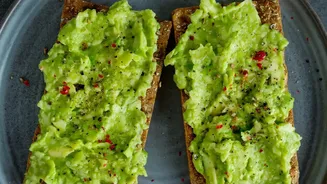
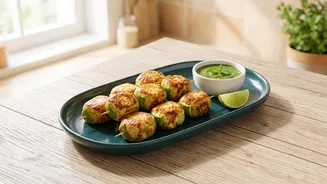
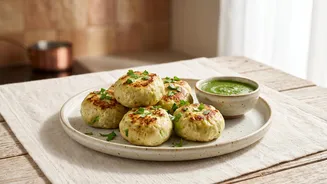
Avocado and paneer are a match made in culinary heaven. One offers healthy fats and a buttery texture, while the other provides a soft, milky richness. When combined to make kebabs or patties, however, their best qualities can work against you. Both ingredients
have high moisture content and a lack of fibrous structure. Mashing them together creates a wonderfully flavorful but frustratingly soft and sticky mixture that can be difficult to shape, let alone pan-fry without it falling apart. This is where the art and science of binding come into play. A good binder is not just a filler; it is the structural engineer of your kebab, absorbing excess moisture and creating a cohesive mixture that holds its shape under heat.
The Golden Rules of Binding
Before you even reach for a binding agent, a few preparatory steps can set you up for success. First, manage the moisture. If using fresh paneer, gently squeeze out any excess whey. You can even press it under a weight for about 20 minutes. For the avocado, opt for one that is ripe but still firm, not overly mushy. The goal is to get that creamy flavour without introducing too much liquid into the mix from the start. Chilling the final kebab mixture for at least 30 minutes before shaping is another professional trick. This allows the fats to solidify slightly, making the dough less sticky and much easier to handle. These simple techniques reduce the burden on your binding agent, allowing it to work more effectively.
Your Arsenal of Binding Agents
When your mixture needs extra help, several pantry staples can come to the rescue. Each offers a slightly different texture and flavour profile. Roasted gram flour (besan) is a classic choice in Indian cooking. Roasting it in a dry pan until it's aromatic removes the raw taste and enhances its nutty flavour, which complements paneer beautifully. It's highly absorbent and gluten-free. Breadcrumbs are another excellent option, providing a light yet effective structure. Panko breadcrumbs, being drier and flakier, are particularly good at creating a crisp exterior. For a gluten-free alternative that also adds substance, boiled and mashed potato or even powdered oats work wonders by lending their starchy properties to the mix. Finally, starches like cornflour or arrowroot powder are powerful thickeners. A tablespoon or two can be enough to bind a very soft mixture without significantly altering the taste.
A Foundational Recipe for Success
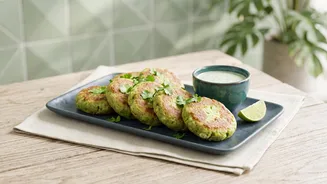
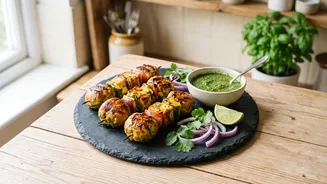
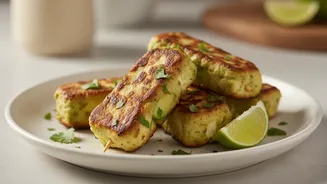
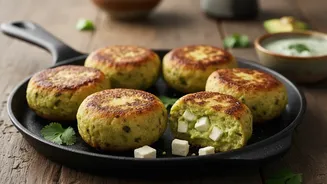
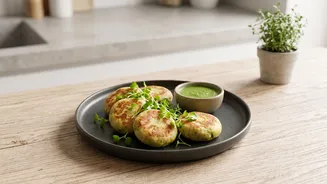
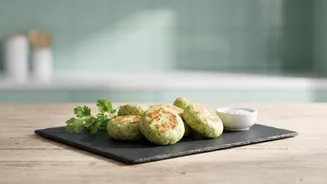
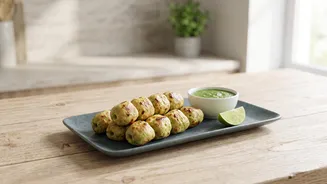
Ready to put this knowledge into practice? Here is a simple, adaptable recipe. In a bowl, mash one ripe-but-firm avocado. Crumble in 200 grams of pressed paneer. Add half a finely chopped onion, one chopped green chilli, a teaspoon of ginger-garlic paste, and a handful of fresh coriander. For spices, mix in half a teaspoon each of cumin powder and garam masala, plus salt to taste. Now, add your binder. Start with three tablespoons of roasted besan or breadcrumbs. Mix everything gently until just combined. Check the consistency; if it still feels too wet to shape, add another tablespoon of your binder. Cover the bowl and refrigerate for 30 minutes. Afterwards, lightly oil your palms, form the mixture into small, flat kebabs, and pan-fry on a medium-hot griddle with a little oil until golden brown and crisp on both sides.