




Understanding the 'Our Living Islands' Policy
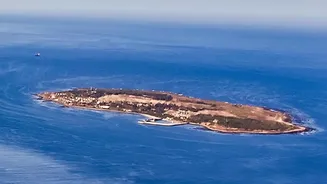
The increased funding is part of a broader, 10-year government strategy called 'Our Living Islands'. Launched in 2023, this policy aims to revitalise and repopulate approximately 23 of Ireland’s inhabited offshore islands, many of which have seen their
populations decline over the decades. The goal is to ensure these unique communities remain vibrant and sustainable by encouraging people to establish permanent homes, thereby boosting the local economy and preserving the cultural heritage of island life. The grant is a key component of this plan, making it more financially viable to bring empty and derelict properties back into use.
How Much Money Is Available?
The initiative provides a substantial top-up to the existing nationwide Vacant Property Refurbishment Grant. While the mainland scheme offers up to €50,000 for a vacant property and €70,000 for a derelict one, the island grants are 20% higher to account for the increased costs of construction in remote locations. If you take on a qualifying vacant home on a designated island, you can receive up to €60,000. For a property confirmed to be derelict—requiring more extensive structural work—the grant amount rises to a maximum of €84,000. It's crucial to note that this is a reimbursement grant; applicants must pay for the works first and then claim the funds back from the local authority upon completion and inspection.
Who Is Eligible to Apply?
The grant is open to anyone who meets the criteria, including non-Irish citizens, but it does not confer any residency or immigration rights. Applicants from outside the EU must still independently satisfy Ireland's visa and residency requirements. To qualify for the grant itself, you must either own or be in the process of purchasing a qualifying property. The renovated home must become your principal private residence or be made available for long-term rental, registered with the Residential Tenancies Board. It cannot be used as a short-term holiday let. Applicants must also be tax compliant in Ireland.
What Properties Qualify for the Grant?
For a property to be eligible, it must meet specific conditions. It must have been built before 2008 and must be proven to have been vacant for at least two years prior to the application. Proof of vacancy can typically be supplied through utility bills or official records. The property must be located on one of the designated offshore islands included in the 'Our Living Islands' policy, such as the Aran Islands, Inishbofin, or Tory Island. The scheme is designed to bring existing housing stock back to life, so the grant does not cover the cost of demolishing a property and building a new one.
What Can the Grant Money Be Used For?
The funds are strictly for renovation and refurbishment costs. This can include a wide range of structural work such as roof repairs, foundation stabilisation, and window replacement. It also covers improvements to make the home habitable, such as the installation of plumbing, heating, and electrical systems. While cosmetic work like redecoration is included, the grant does not cover the cost of furniture, appliances, or landscaping. It is also important to note that energy efficiency upgrades may be covered by separate grants from the Sustainable Energy Authority of Ireland (SEAI), and it is possible to apply for both schemes for different elements of the same project.
How to Begin the Application Process
The first step for anyone interested is to identify a qualifying property on one of the eligible islands. The application is then made through the Vacant Homes Officer at the local authority that governs that island. Applicants will need to provide extensive documentation, including proof of property ownership (or evidence of being sale agreed), proof of vacancy, and detailed, itemised quotes for the proposed works. A crucial rule is that work must not begin before receiving written approval of the grant from the local authority; starting a project prematurely will disqualify it from funding. After approval, you have 13 months to complete the works.