







Understanding the Enemy in Your Cupboard
Before you can win the war, you need to know who you’re fighting. The most common pantry pests are insects like the Indian meal moth and various types of weevils or beetles. The crucial thing to understand is that you most likely brought them home yourself.
These pests often arrive as unseen eggs or larvae hidden inside packages of flour, grains, cereals, spices, and even pet food directly from the store. They are not a sign of a dirty house, but rather a sign that a product was compromised somewhere along the supply chain. Once inside your warm, dark pantry, they hatch and multiply, spreading from one container to the next. The adult moths you see flying around are often the last stage; the real damage is done by the larvae that feed on and contaminate your food with webbing and waste.
Your First and Best Defence: Airtight Storage
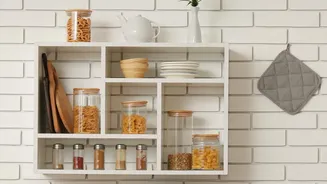
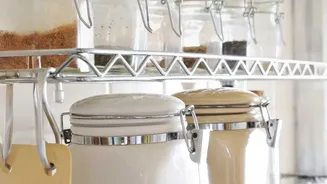
The single most effective step you can take is to create an impenetrable barrier between pests and their food source. This is where airtight containers come in. Pests can easily chew through paper, cardboard, and thin plastic bags. Immediately transferring dry goods like flour, rice, pasta, and cereals into containers made of glass or thick, hard plastic with a proper sealing lid is a game-changer. Look for lids with a silicone or rubber gasket, as these create a truly airtight seal that tiny insects cannot bypass. This practice serves two purposes: it protects clean food from outside invaders, and if you accidentally bring home an infested product, the problem is contained to that single jar instead of spreading throughout your entire pantry. While it's an initial investment, it saves you from having to throw away large amounts of contaminated food later.
The Power of a Clean and Dry Pantry
Pests thrive on forgotten spills and crumbs. A small scattering of flour or a few grains of rice in the corner of a shelf is enough to sustain a small population. This is why regular cleaning is non-negotiable. At least every few months, take everything off your pantry shelves and vacuum up any debris, paying special attention to corners and crevices. Wiping shelves down with warm, soapy water or a vinegar solution removes any lingering food residue that might attract pests. It’s also important to keep the environment dry, as humidity can encourage pest and mould growth. This routine maintenance not only disrupts the pest life cycle but also gives you a chance to inspect your goods and rotate your stock, using older items first to ensure nothing sits for too long.
Viral Hacks vs. Proven Methods
You may have seen viral posts suggesting you can repel pantry pests by scattering bay leaves, mint, or other strong-smelling herbs on your shelves. Many people anecdotally report success with bay leaves, believing the scent from a compound called eucalyptol deters weevils and moths. While these herbs may have some mild repellent properties, scientific evidence for their effectiveness as a sole pantry defence is thin. At best, they are a weak deterrent and no substitute for proper storage hygiene. A bay leaf won't stop a beetle from getting into a poorly sealed bag of flour. Relying on these hacks without addressing the root cause—access to food—is a recipe for failure. The proven, expert-backed strategy is to physically block pests with airtight containers and eliminate their food sources through regular cleaning. These fundamental practices work every time, unlike the hit-or-miss nature of folk remedies.