




An Unprecedented Scale
The proposal, announced in late August 2026 by SpaceX and Louisiana officials, outlines the development of a 125,000-acre site in Vermilion Parish, near Pecan Island. This facility is envisioned as the company's largest and most ambitious, dwarfing its
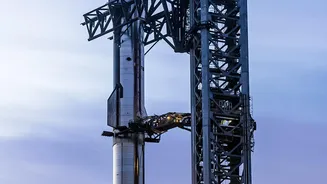
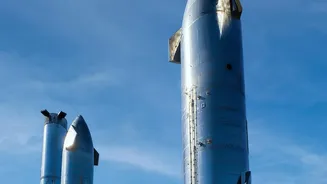
existing operations in Texas and Florida. The ultimate goal is to create a self-sustaining spaceport capable of handling thousands of Starship flights per year. Plans include five launch complexes, each with two pads, for a total of ten initial launch pads, with potential for even more. The site is also slated to feature its own propellant production, power generation, a deep-water shipping port, and an airport to support its high-cadence operations.
Why Louisiana?
Louisiana presents a unique combination of geographical and industrial advantages. The coastal location provides clear trajectories for launches over the Gulf of Mexico, crucial for achieving various orbital inclinations. The state also possesses a deep-rooted industrial workforce, with extensive experience in welding, machining, and large-scale manufacturing from the oil and gas sector, skills that are directly transferable to aerospace construction. The project is planned for a former Exxon property, indicating access to land suitable for large industrial development. Governor Jeff Landry highlighted the seven-month effort to secure the deal, framing it as a pivotal moment for the state's economic future and its role in the burgeoning space economy.
The Economic Lift-Off
The economic implications for Louisiana are immense. State officials project the creation of 3,000 direct jobs over the next decade, with an average salary significantly higher than the local average. Beyond direct employment, the project is expected to generate over 8,100 indirect jobs, bringing the total impact to more than 11,000 new employment opportunities across the region. This influx of jobs and investment is anticipated to have a ripple effect on the local economy, particularly in the housing market and for local suppliers. The total $100 billion investment figure represents one of the largest economic development projects in Louisiana's history, promising to create new career paths and diversify the state's industrial base.
Ambition Meets Reality
While the vision is grand, the timeline is ambitious and contingent on significant milestones. Construction is slated to begin in 2027, with the first launch targeted for 2029. However, these dates depend on SpaceX clearing substantial regulatory and environmental hurdles. The project requires extensive review and approval from agencies like the FAA and those managing Louisiana's fragile coastal ecosystems. SpaceX has stated its intent to work with state agencies on coastal restoration and habitat protection, but environmental groups have called for careful scrutiny. It is also crucial to distinguish between the ultimate design capacity—which could support over 30 launches per day—and the licensed, operational cadence, which will be determined by regulators and the pace of Starship's own development. Starship itself, while promising, is still in its test phase, having flown only a handful of times.
The Strategic Endgame
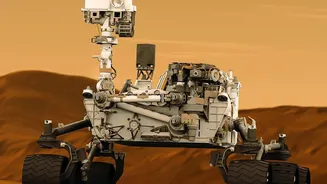
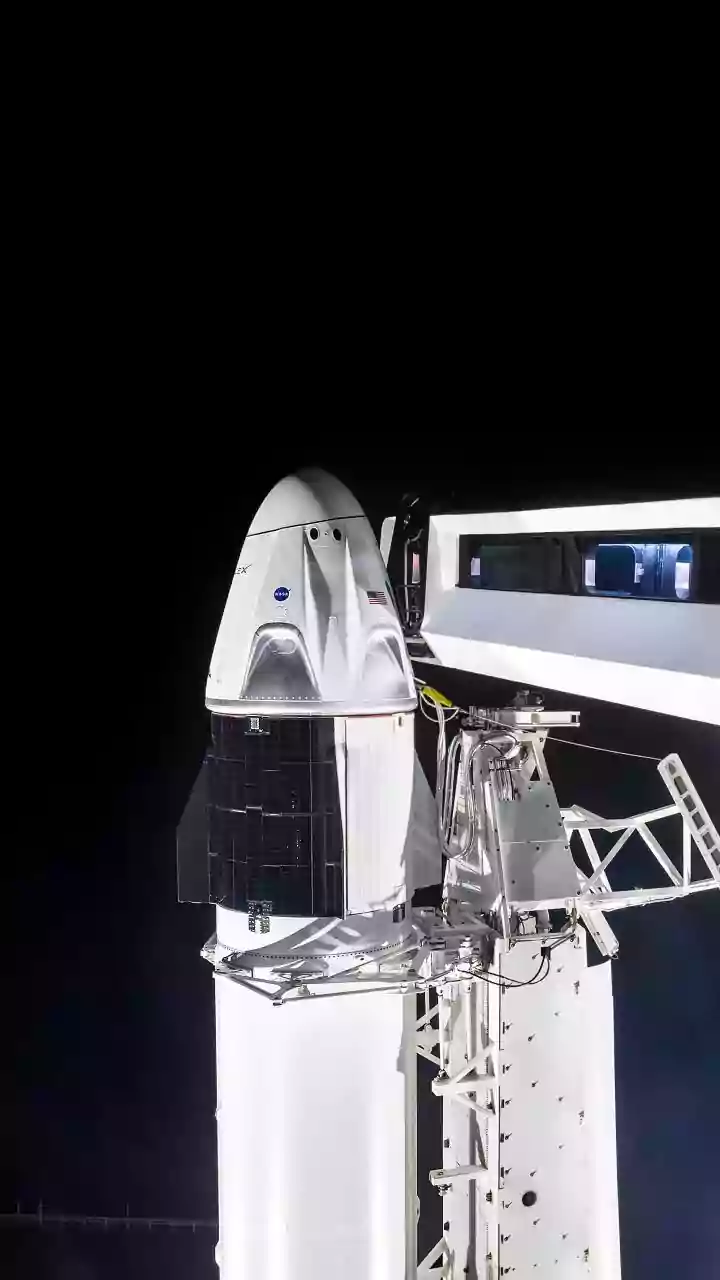
Starbase Louisiana is the cornerstone of SpaceX's long-term strategy. The company is betting its future on Starship, a fully reusable vehicle designed to drastically lower the cost of access to space. This new facility is not just for launching more rockets; it's essential for deploying next-generation Starlink satellites, building orbital data centers, and ultimately, supporting missions to the Moon and Mars. The sheer volume of launches envisioned for Louisiana is necessary to achieve the rapid cadence required for these interplanetary goals. By developing a third major Starship hub, in addition to sites in Texas and Florida, SpaceX is building the terrestrial infrastructure it believes is necessary to make humanity a multi-planetary species.