



Tomatoes: Keep Them on the Counter
That perfectly ripe, juicy tomato can turn into a sad, mealy version of itself in the refrigerator. Cold temperatures are the enemy of a tomato's texture and taste. Science shows that chilling tomatoes below certain temperatures halts the enzymes that create
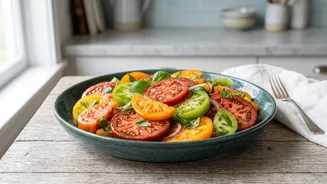
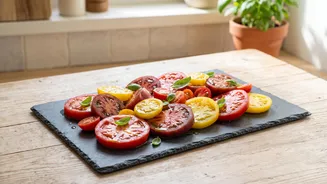
their beloved tangy and complex flavour. The cold air also damages the fruit's delicate cell walls, resulting in a mushy, watery texture. For the best flavour, store tomatoes at room temperature on your countertop, away from direct sunlight. If they are very ripe and you must extend their life, you can refrigerate them, but be prepared for a significant loss in taste and use them for cooking sauces rather than eating raw.
Potatoes: A Cool, Dark Pantry is Best
Keeping potatoes in the fridge is a common mistake that can ruin their taste and texture. The cold environment causes the potato's starch to convert into sugar more rapidly. This results in an unpleasantly sweet flavour and can cause them to darken when cooked. The ideal storage for potatoes is a cool, dark, and dry place with good air circulation, like a pantry or a cupboard. A paper bag or a ventilated crate works better than a plastic bag, which can trap moisture and cause spoiling.
Onions and Garlic: Let Them Breathe
Onions and garlic thrive in a cool, dry place with plenty of air circulation, making the humid confines of a refrigerator their enemy. Refrigeration can cause onions to become soft, mushy, and mouldy due to the lack of airflow and high moisture. Garlic can also sprout or turn rubbery in the cold. Furthermore, onions emit ethylene gas, which can cause nearby produce, especially potatoes, to spoil and sprout faster. For this reason, always store your potatoes and onions separately. A wire basket or a mesh bag on your countertop is a great way to store them, as long as it's away from sunlight.
Bread: The Counter or Freezer, Never the Fridge
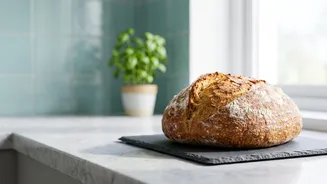
Contrary to popular belief, refrigerating bread does not keep it fresh—it actually makes it go stale faster. The process, known as starch retrogradation, is when the starch molecules in bread begin to recrystallize and harden after baking. This process happens most rapidly at cool, above-freezing temperatures, like those in a refrigerator. For short-term storage (a few days), keep your bread in a bread box or paper bag at room temperature. For long-term storage, the freezer is your best friend. Slicing the loaf before freezing allows you to take out only what you need, preserving the rest perfectly.
Bananas: Room Temperature for Ripening
Bananas are tropical fruits and are not fans of the cold. Placing an unripe, green banana in the fridge will halt the ripening process almost entirely, and it may never resume even if brought back to room temperature. While refrigerating a fully ripe banana will cause its peel to turn dark brown or black, the fruit inside will remain edible for a few more days, making it a viable option if you need to save them for a smoothie. To allow bananas to ripen properly and develop their sweetness, store them at room temperature away from direct sunlight. Wrapping the stems in plastic can also slow the release of ethylene gas, helping them last longer.
Honey: A Pantry Staple That Hates the Cold
Honey is a natural preservative and can last for an incredibly long time in your pantry. There is no need to refrigerate it. In fact, cold temperatures will speed up the natural process of crystallization, turning your smooth, liquid honey into a thick, grainy solid. While crystallized honey is still perfectly safe to eat, it can be difficult to scoop and use. Crystallization is a sign of real, natural honey, where glucose separates from the water content. To keep your honey smooth and flowing, store it in an airtight container at room temperature.
Coffee and Spices: Preserve Their Aroma
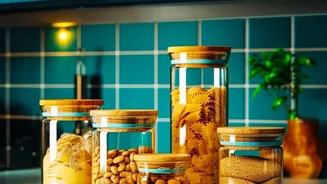
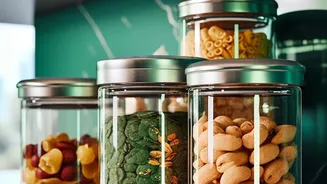
To get the best flavour from your morning cup, keep coffee beans and grounds out of the refrigerator. The fridge is a humid environment, and moisture can lead to condensation, which degrades the oils that give coffee its rich aroma and taste. Coffee is also highly absorbent and can take on the odours of other foods in the fridge. The best storage is an airtight, opaque container in a cool, dark place like a pantry. Similarly, most Indian spices, which are prized for their potent essential oils, should be kept away from heat, light, and moisture. Store them in airtight containers in a cool, dark cabinet, not in the fridge or near the stove.