






The Nutritional Showdown
At a glance, both drinks seem light, but their nutritional profiles are quite different. Coconut water is the winner for those watching their calorie intake, containing around 18 to 45 calories per 100 grams, compared to buttermilk's 60 to 98 calories for a similar
amount. However, buttermilk (chaas) brings more to the table in terms of protein and calcium, making it a more filling option. For example, buttermilk contains significantly more calcium, which is crucial for bone health. On the other hand, fresh coconut water is naturally rich in Vitamin C, an antioxidant that buttermilk lacks. Traditional buttermilk is also a good source of B vitamins, including B12, which is vital for energy production.
The Hydration and Electrolyte Factor
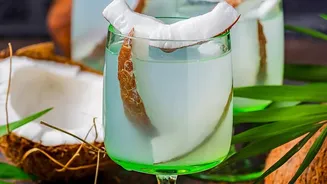
Hydration isn't just about drinking water; it's about replenishing the electrolytes lost through sweat. This is where coconut water shines. Often called a natural sports drink, it is packed with potassium, a key electrolyte for muscle function and fluid balance. It also contains smaller amounts of magnesium, sodium, and calcium. Buttermilk also provides electrolytes, including potassium, and its natural salt content can be particularly useful for replacing sodium lost during heavy sweating. For quick rehydration after light exercise or exposure to heat, coconut water often has the edge due to its specific electrolyte composition. However, for replenishing after intense sweating, the sodium in buttermilk can be more beneficial.
Beyond Thirst: Gut Health and Other Benefits
Buttermilk has a significant advantage in one key area: digestive health. As a fermented drink, traditional chaas is a natural source of probiotics, the beneficial bacteria that support a healthy gut microbiome. These probiotics aid digestion, can help prevent issues like bloating and acidity, and support a strong immune system. This makes buttermilk an excellent drink to have with meals. Coconut water doesn’t contain probiotics, but it does have its own unique benefits. Its high potassium content may help regulate blood pressure. Some studies also suggest it can be a good option for people with diabetes due to its low sugar content compared to other fruit juices, though intake should still be monitored.
When to Drink Which?
The best choice often comes down to timing and your specific need. Experts suggest that coconut water is ideal for quick, light hydration, especially on an empty stomach to maximize absorption or after a workout to quickly replenish fluids and potassium. Its low-calorie nature makes it a great refresher anytime during the day. Buttermilk is best consumed after meals, particularly lunch, where its probiotic content can aid digestion and its cooling properties can soothe the stomach. Spicing buttermilk with ingredients like cumin or mint not only enhances its flavour but can also boost its digestive and cooling benefits.