


A Tale of Two Flavours
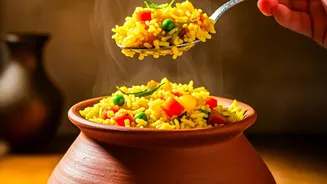
On paper, the combination of light, savoury flattened rice and a sticky, sweet fried dessert makes little sense. Yet, on the streets of Indore and across the Malwa region, poha-jalebi is a revered institution. Every morning, vendors across the city fire
up their stoves to serve thousands of plates of this beloved breakfast. It’s a meal that fuels everyone, from office workers and students to labourers, all gathering at bustling street stalls to start their day. The pairing captures the essence of the Malwa palate, which delights in contrasting flavours—salty and sweet, soft and crunchy. This unique combination is more than just a quick bite; it's a plateful of history that tells the story of the city itself.
The Maratha Connection: Poha's Arrival
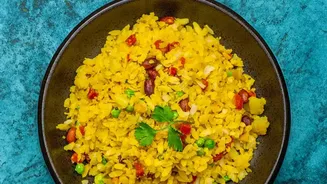
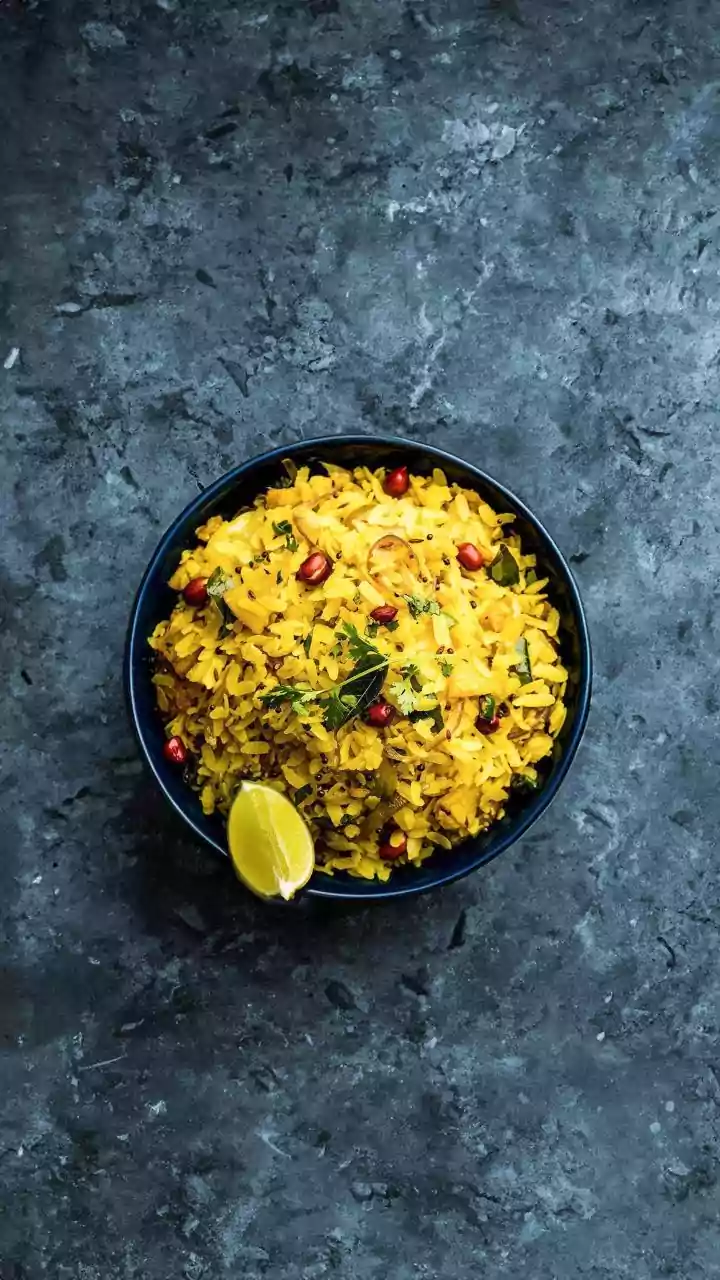
While poha is synonymous with Indore, its journey began in Maharashtra. The dish, often known as 'kande pohe' there, was a simple and nutritious meal. In the 18th century, the Maratha Holkars expanded their empire into the Malwa region, establishing their rule in Indore. Along with their armies and administrative systems, they brought their culinary traditions. Poha, a lightweight and easy-to-prepare dish, was part of this cultural migration. Food historians suggest that Maratha rulers like the Holkars and Scindias introduced staples like poha and shrikhand to Madhya Pradesh, where these dishes took on new forms. The humble flattened rice, once a simple meal for warriors and farmers, had found a new home.
The Indori Innovation
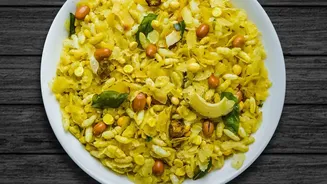
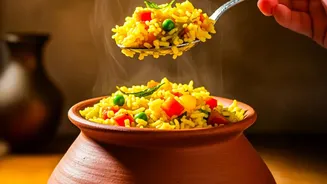
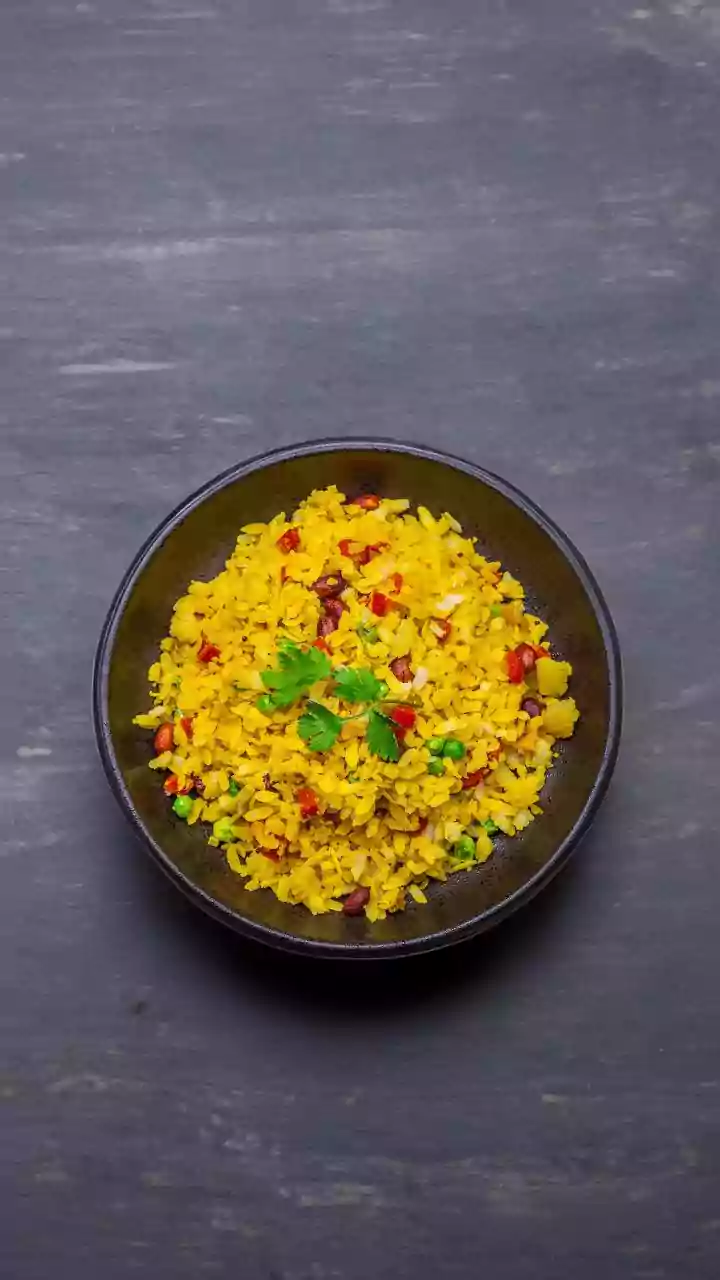
Poha didn't just survive in Indore; it evolved. The city gave the Maharashtrian dish a distinct identity. The most significant change was the cooking method. Unlike pan-fried versions elsewhere, Indori poha is steamed, which gives it a uniquely soft and fluffy texture that lasts for hours. Local cooks then added a signature flourish with an array of toppings that transformed the dish. A generous garnish of crunchy, spicy Ratlami sev, freshly chopped onions, and a sprinkle of fennel seeds became standard. The masterstroke was the addition of Jeeravan masala, a complex blend of over 20 spices that gives the poha its characteristic tangy, spicy, and savoury kick. This makeover turned a simple dish into a complex medley of flavours and textures.
A Match Made in Malwa
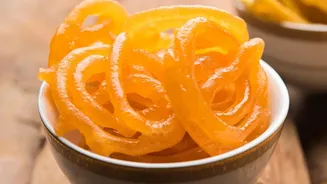
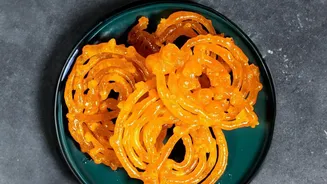
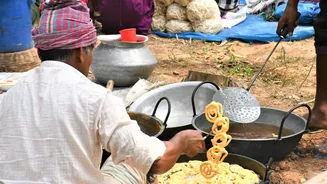
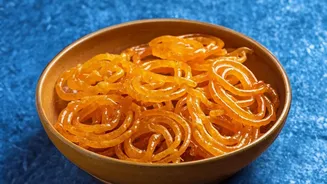
The pairing with jalebi, a sweet with Middle Eastern origins that had been part of Indian cuisine for centuries, was the final touch. While Bhopal also claims the combination, Indore perfected it into a daily ritual. The sweet, crispy jalebi provides a perfect counterpoint to the soft, tangy, and savoury poha. This balance of sweet and savoury is a hallmark of the region's blended food culture, which absorbed influences from Maharashtrian, Rajasthani, and Gujarati cuisines. The combination became a hit because it was not only delicious but also affordable and filling—a perfect breakfast for a bustling trading and industrial hub. It was food for the people, accessible to everyone and cementing its place in the city's heart.