




Gond ke Ladoo: The Bone-Strengthening Tradition
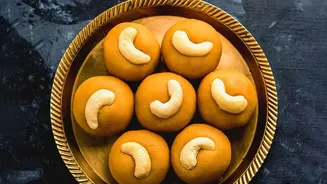
A winter classic in North India, gond ke ladoo is made with edible gum, whole wheat flour, ghee, and nuts. Traditionally given to new mothers for recovery and to the elderly for joint health, gond is believed to strengthen bones and provide warmth. The
ingredients are packed with nutrients like calcium and protein. However, the reality is that these ladoos are very high in calories. A single 50-gram ladoo can contain between 180 and 260 calories, largely from ghee and sugar or jaggery. While the components have benefits, the final product is an energy-dense sweet to be eaten in moderation.
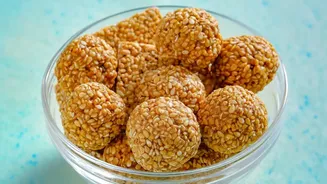
Til ke Ladoo: The Sesame Powerhouse
Made from sesame seeds (til) and jaggery, these ladoos are synonymous with winter festivals like Makar Sankranti. Sesame seeds are lauded for being warming and rich in calcium, iron, and healthy fats. Ayurveda values them for balancing Vata dosha, which is prominent in winter and can cause dryness and stiffness. While they provide minerals and fibre that can aid digestion, til ladoos are still concentrated sweets. The combination of jaggery and fats makes them a quick source of energy, but also high in calories that should be enjoyed mindfully.
Methi ke Ladoo: The Bitter-Sweet Regulator
Fenugreek (methi) seeds give these ladoos a unique, bitter flavour, balanced by jaggery and wheat flour. Traditionally, they are consumed to help with joint pain, aid digestion, and support lactating mothers. Studies suggest fenugreek may help regulate blood sugar levels and reduce menstrual discomfort. However, this doesn't turn the ladoo into a medical supplement. The base of flour, ghee, and sweetener still makes it a high-calorie food. It's a classic example of a functional ingredient being part of an indulgent treat, not a cure-all.
Alsi ke Ladoo: The Omega-3 Boost
Also known as flaxseed ladoos, alsi ke ladoo has gained popularity as a 'healthy' sweet. Flaxseeds are a top plant-based source of omega-3 fatty acids and dietary fibre, which are great for heart health and digestion. Often made with jaggery and minimal ghee, they seem like a guilt-free option. But even in these healthier versions, the energy density remains high. While they offer more nutritional benefits than a simple sugar-based sweet, they are still a calorie-concentrated snack. The key is moderation; one or two small ladoos are a sensible serving.
Sonth ke Ladoo: The Warming Immunity Booster
Made with dried ginger powder (sonth), these ladoos are a go-to remedy for winter colds and coughs. Ginger is known for its anti-inflammatory, antibacterial, and digestive properties. Traditionally, sonth ladoos are believed to boost immunity and relieve respiratory issues. Yet again, the medicinal properties of ginger are delivered in a package of ghee, flour, and sweetener. While a warm ladoo can feel soothing for a sore throat, it is not a substitute for proper medical care. It provides comfort and energy, but its primary identity is that of a sweet.
Dry Fruit Ladoo: The Flourless Energy Bomb
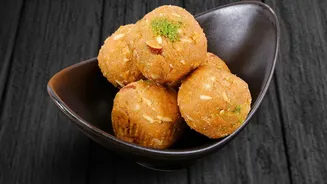
These ladoos skip the flour and are packed with dates, figs, almonds, walnuts, and pistachios. They are often called 'sugar-free' because they rely on the natural sweetness of dried fruits. This makes them seem inherently healthier. They are indeed rich in vitamins, minerals, and fibre from the nuts and fruits. However, they are extremely calorie-dense. Dates are high in natural sugars, and nuts are high in fats. While these are healthy fats and unrefined sugars, a small ladoo can pack a significant calorie punch, making it a powerful energy snack rather than a light, healthy bite.
Atta Ladoo: The Wholesome & Hearty Classic
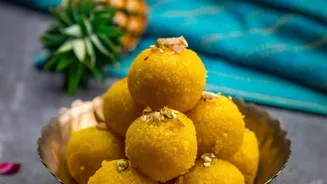
One of the simplest and most comforting variations, atta ladoo is made from whole wheat flour, ghee, and sugar or jaggery. It’s praised for being a slow-release energy source that keeps you full for longer. Whole wheat flour provides fibre, and when combined with ghee, it becomes a deeply satisfying and warming food. It is often given to children and new mothers for sustenance. Despite its wholesome main ingredient, it remains a sweet. The slow-roasting of flour in copious amounts of ghee, combined with sugar, defines it as an energy-dense treat for cold days.
Panjiri: The Crumbly Postpartum Nourisher
Though not always shaped into a perfect sphere, panjiri is a loose, crumbly mixture of roasted whole wheat flour or semolina, ghee, sugar, and a generous mix of nuts, seeds, and sometimes edible gum. It is traditionally considered a superfood for postpartum recovery and for providing warmth in winter. Its ingredients are chosen for their nourishing properties, helping to restore energy and aid digestion. But like its round counterparts, panjiri is calorically dense and rich in fats and sugars. A small serving of one or two tablespoons is often recommended because of its richness.