



A New Martian Mystery
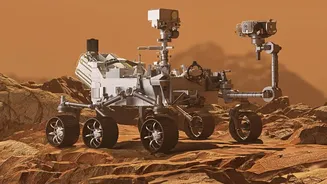
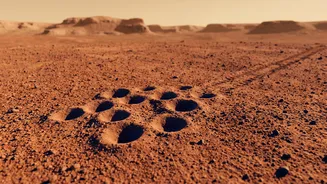
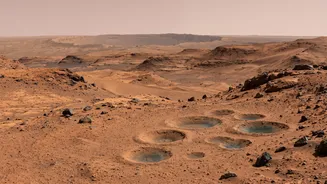
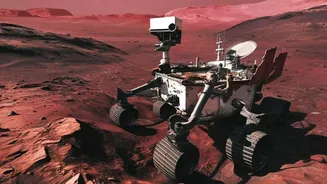
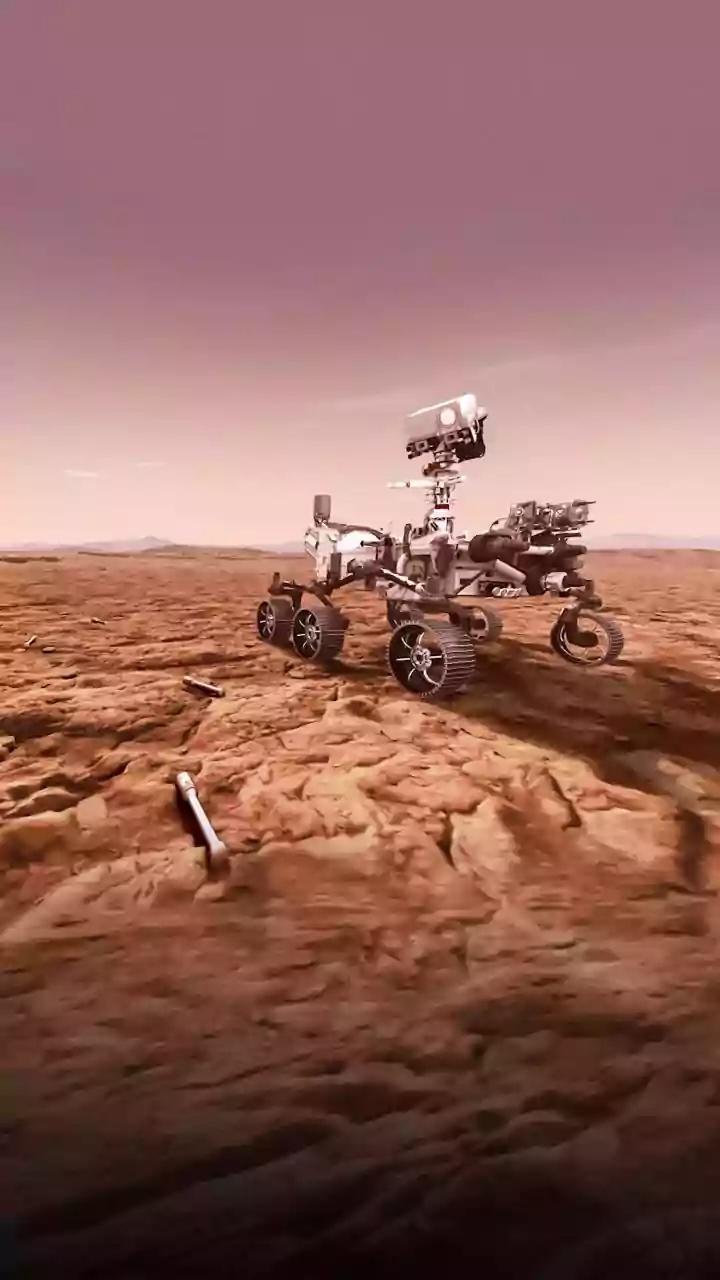
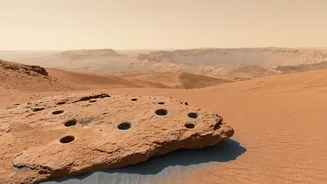
While climbing through a broad valley on Mount Sharp, the central peak within Mars's Gale Crater, the Curiosity rover spotted something odd dotting the rocky ground. The car-sized explorer came across a series of small, shallow divots in the bedrock,
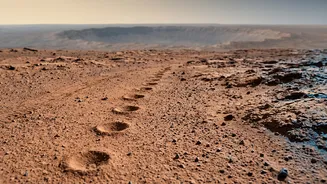
unlike anything it had previously encountered in its 14 years on the Red Planet. Mars is no stranger to holes; billions of years of meteorite impacts have left its surface pockmarked. But these particular pits, discovered in an area known as Valle Grande, don't fit the typical impact profile and have sparked a new investigation.
What Makes These Holes So Strange?
The primary reason these holes are confounding scientists is that they lack the usual calling cards of other Martian pits. Often, small cavities in bedrock are formed when harder pebbles or mineral nodules are embedded in softer rock. Over eons, the softer surrounding material erodes away, and the harder nodule eventually falls out, leaving a hole behind. However, these newly found pits are unusually broad and shallow, and crucially, there are no obvious pebbles or nodules nearby that look like they were once inside. This absence of a clear cause is what makes the discovery so intriguing for the mission's science team.
Searching for an Explanation
With the usual explanation off the table, scientists are exploring other possibilities. The answer is almost certainly geological, but the specific process remains unknown. It could be the result of an unfamiliar type of erosion, a peculiar property of this specific rock layer, or another factor entirely. To solve the mystery, the Curiosity team is using the rover's advanced imaging capabilities. The Mars Hand Lens Imager (MAHLI), located on the rover's robotic arm, has taken high-resolution close-ups of the holes. Simultaneously, the Mastcam cameras have captured overlapping stereo images of the surrounding terrain. By combining these images, scientists on Earth can create detailed 3D models of the pits to measure their exact shape and depth, which could provide clues to their formation.
A Region of Rich Discovery
This puzzle is the latest in a series of fascinating finds as Curiosity ascends Mount Sharp. The mountain's sedimentary layers act as a historical record, with different layers preserving information about different eras of Mars's ancient climate and environment. Just before finding the holes, Curiosity was investigating a vast field of honeycomb-like polygonal fractures and strange, web-like "boxwork" patterns, both thought to have been shaped by groundwater billions of years ago. The rover is also analyzing the chemistry of the changing rock layers it's driving over, which show differences in texture and resistance to erosion. These new holes add another piece to the complex puzzle of how Mars transformed from a world that once had widespread water to the cold, dry planet we see today.