





The Climate on Your Plate
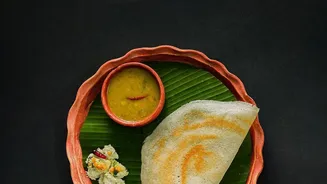
The foundation of many beloved Indian breakfasts—rice and wheat—is under increasing pressure from climate change. Rising temperatures and erratic monsoons are impacting crop yields across the country. Scientists project that for every degree Celsius the temperature rises,
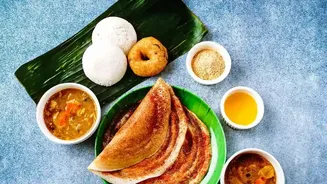
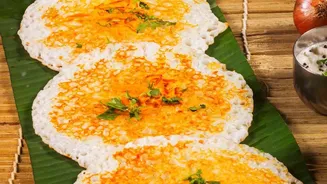
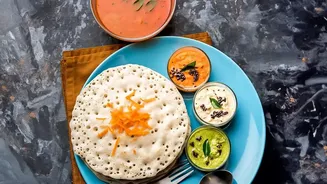
wheat productivity could decrease significantly, while rice yields also face decline. Heatwaves have been shown to scorch wheat harvests in regions like Punjab, drastically reducing output for farmers. This volatility affects everything from the price and quality of rice used for dosa and idli batter to the flour needed for roti and puri. Unpredictable weather doesn't just threaten the quantity but can also impact the nutritional quality of these staple grains, creating a ripple effect that starts in the field and ends on the breakfast table.
A Return to Resilient Grains
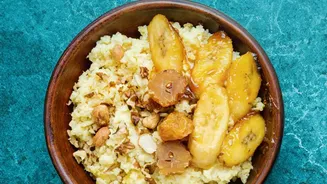
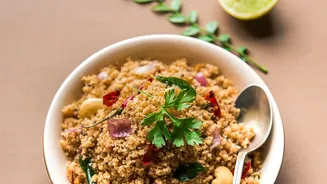
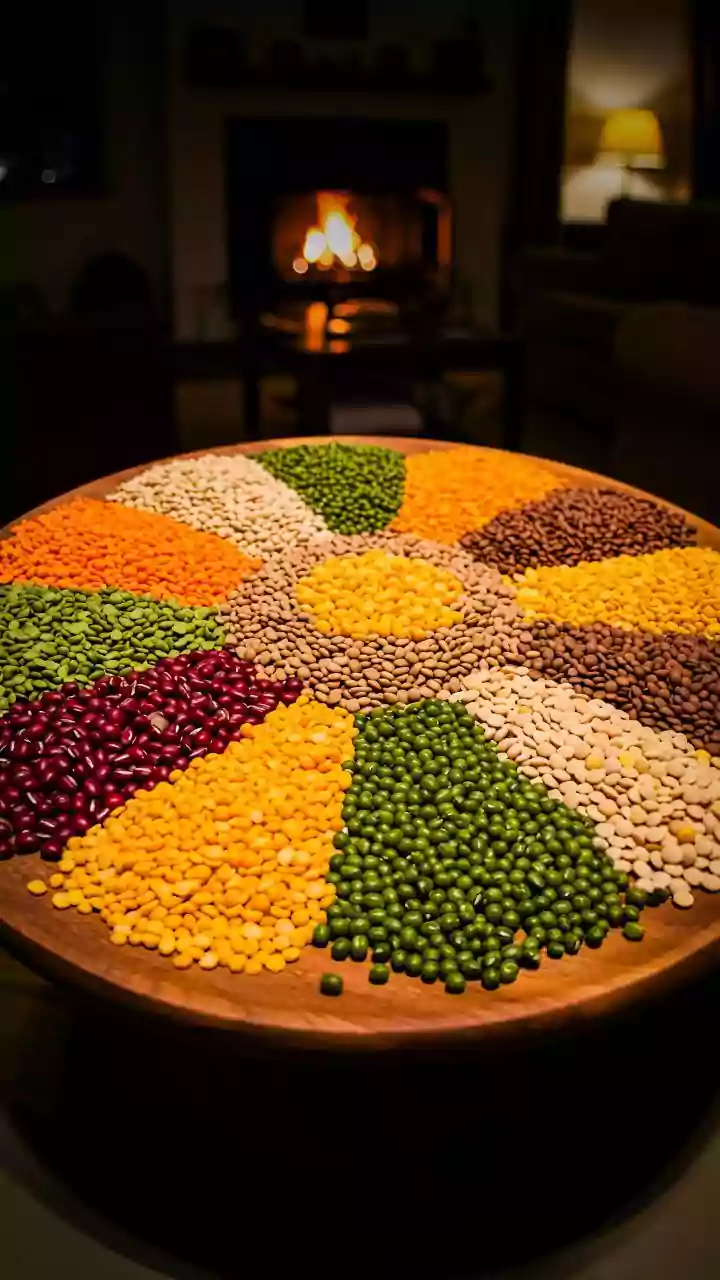
In response to these agricultural challenges, India is witnessing a powerful shift towards climate-resilient crops, most notably millets. Grains like jowar (sorghum), bajra (pearl millet), and ragi (finger millet) are naturally hardy, requiring less water and tolerating higher temperatures than rice and wheat. After decades of declining consumption, these 'nutri-cereals' are making a major comeback, championed by government initiatives like the International Year of Millets and a growing consumer awareness of their health benefits. This revival is reshaping morning meals. Ragi is becoming a popular base for dosas and porridge, especially in the South, while other millets are being used to create healthier versions of upma, cheela, and even baked goods. This shift is not just a climate adaptation; it's a rediscovery of India's diverse agricultural heritage.
The New Rhythm of the Kitchen
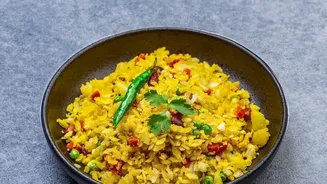
Beyond the farm, the single biggest agent of change is the modern Indian lifestyle. Urbanisation and hectic work schedules have created a soaring demand for convenience. While traditionally breakfast was a freshly prepared affair, today's time-strapped households are increasingly turning to ready-to-eat options. This includes everything from packaged idli and dosa batters to oats, cornflakes, and muesli, which have found a firm footing, especially among younger, urban generations. Studies have shown that a significant portion of urban Indians either skip breakfast or opt for a quick, often nutritionally inadequate, meal. This has spurred innovation, with brands launching products that blend tradition with convenience, such as ready-to-eat poha and upma, catering to a population that values both health and speed.
Tradition, Reimagined for Tomorrow
The evolution of the Indian breakfast isn't a story of replacement, but one of adaptation. Tradition remains the anchor. Regional identities are still proudly expressed through morning meals, from Maharashtra's poha to Punjab's parathas. However, these traditions are proving to be wonderfully flexible. A grandmother's dosa recipe might now be made with a blend of rice and millet flour. A classic upma might be cooked with quinoa instead of semolina. The modern breakfast landscape is a hybrid, where ancient grains meet quick-cook convenience and global health trends sit alongside regional flavours. It reflects a culture that is simultaneously looking back to its roots for resilience and nutrition while adapting to the fast-paced realities of modern life.