






The Feast and The Waste
Food festivals are, by nature, celebrations of abundance. Chefs and vendors lay out their most tempting creations, encouraging visitors to sample a wide variety of dishes. While this creates a vibrant atmosphere, it also leads to a predictable problem:
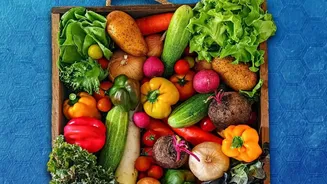
leftovers. Large-scale events, from weddings to festivals, are major contributors to India's food waste problem. An estimated one-fifth of food served at social gatherings can be discarded. This issue is magnified during the monsoon, a season when Ayurveda traditionally suggests digestion is weaker and certain foods are avoided due to higher risks of contamination and spoilage in the humid climate. Perishable items, especially those prepared for large crowds, have a short shelf life, and when visitor numbers don't match projections, mounds of delicious food can end up in the bin. This is not just a waste of resources but a missed opportunity in a country where food security remains a pressing issue.
The Commute Conundrum
Getting to a food festival during the monsoon can be as challenging as deciding what to eat. India’s major cities often struggle with infrastructure that is ill-equipped for heavy rains. Waterlogged streets, traffic jams, and unreliable public transport are common experiences. For festival-goers, what should be an exciting outing can turn into a stressful ordeal of navigating flooded roads and delayed travel, with transportation times increasing significantly. This logistical nightmare acts as a major deterrent, making potential attendees think twice before venturing out. Organisers who fail to account for the realities of monsoon travel risk lower footfall and frustrated patrons. The magic of a perfectly crafted dish can quickly fade if the journey to taste it is filled with uncertainty and discomfort. The monsoon may be the low season for tourism, which means fewer crowds, but the travel disruptions can be a significant downside.
A Recipe for Responsibility
Fortunately, these challenges are not insurmountable. With better planning, festival organisers can create more sustainable and enjoyable events. For food waste, partnering with food rescue organisations is a powerful first step. Groups like the Robin Hood Army, Zomato Feeding India, and No Food Waste specialise in collecting surplus food from events and distributing it to those in need. Some organisers are also implementing creative solutions, such as asking attendees who waste food to make a small donation, which has been shown to reduce waste significantly. For travel, clear communication is key. Providing real-time updates on traffic, partnering with ride-sharing services for special festival routes, and highlighting the most reliable public transport options can make a huge difference. Choosing a venue that is easily accessible via multiple modes of transport is another crucial consideration.
How You Can Be a Mindful Foodie
The responsibility doesn't lie with organisers alone. As attendees, we can also contribute to making these festivals better. Being mindful of consumption is the first step. Instead of piling a plate high, start with smaller portions. Share dishes with friends to sample more without ordering excess food. When it comes to travel, plan ahead. Consider carpooling with friends or using public transport if it’s a viable option. Finally, provide feedback. If you see a festival doing a great job with waste management or providing helpful travel info, let them know. If you see room for improvement, offer constructive suggestions. Organisers are more likely to invest in sustainable practices when they know their audience values them. A collective effort from both planners and patrons can ensure that monsoon food festivals are remembered for their delicious offerings, not their logistical failures.