
From Guidebooks to Instagram Reels
The fundamental change in Indian travel isn't just about booking online; it's about discovery. Today’s travelers are increasingly turning to platforms like YouTube and Instagram to find inspiration and plan their trips. According to recent reports, a significant
majority of Indian travelers start their research online, with social media being a primary source for ideas. This has fueled a move away from landmark-hopping towards seeking out authentic, personal, and socially shareable journeys. User-generated content—reviews, vlogs, and photo-heavy posts—is now a trusted source, often seen as more genuine than traditional advertising. This empowers travelers to find niche experiences, from a specific dish in a local eatery to a hidden viewpoint, that were previously absent from official tourist maps.
The AI-Powered Travel Assistant
Artificial Intelligence is moving from a buzzword to a practical tool in the travel sector. AI-driven platforms are now acting as personalized travel assistants, capable of creating detailed itineraries in seconds. Apps like TripHobo, Mappls, and Jaboi are designed with Indian travelers in mind, considering factors like train travel, budget constraints, and last-minute planning. These tools analyze user preferences to suggest customized hotels, flights, and local activities. The Indian government is also embracing this shift, launching initiatives like the National Digital Tourism Stack to make tourism services more discoverable and personalized using AI. This technology promises a more seamless and efficient planning process, freeing up travelers to focus on the experience itself.
Reimagining Heritage and Culture
Digital technology is also breathing new life into how we interact with history and culture. Augmented Reality (AR) and Virtual Reality (VR) are transforming visits to heritage sites. Platforms are being developed to offer AR overlays that provide historical context at monuments, while VR allows for immersive virtual tours of places like the Ajanta and Ellora Caves or the Taj Mahal. This not only makes these sites accessible to a global audience but also enhances the experience for physical visitors. Beyond monuments, digital platforms are connecting travelers directly with local communities. Apps like Bhavrah connect tourists with verified local guides for authentic food trails, heritage walks, and cultural workshops, bypassing the traditional tourist traps.
Finding Nature Beyond the Brochure
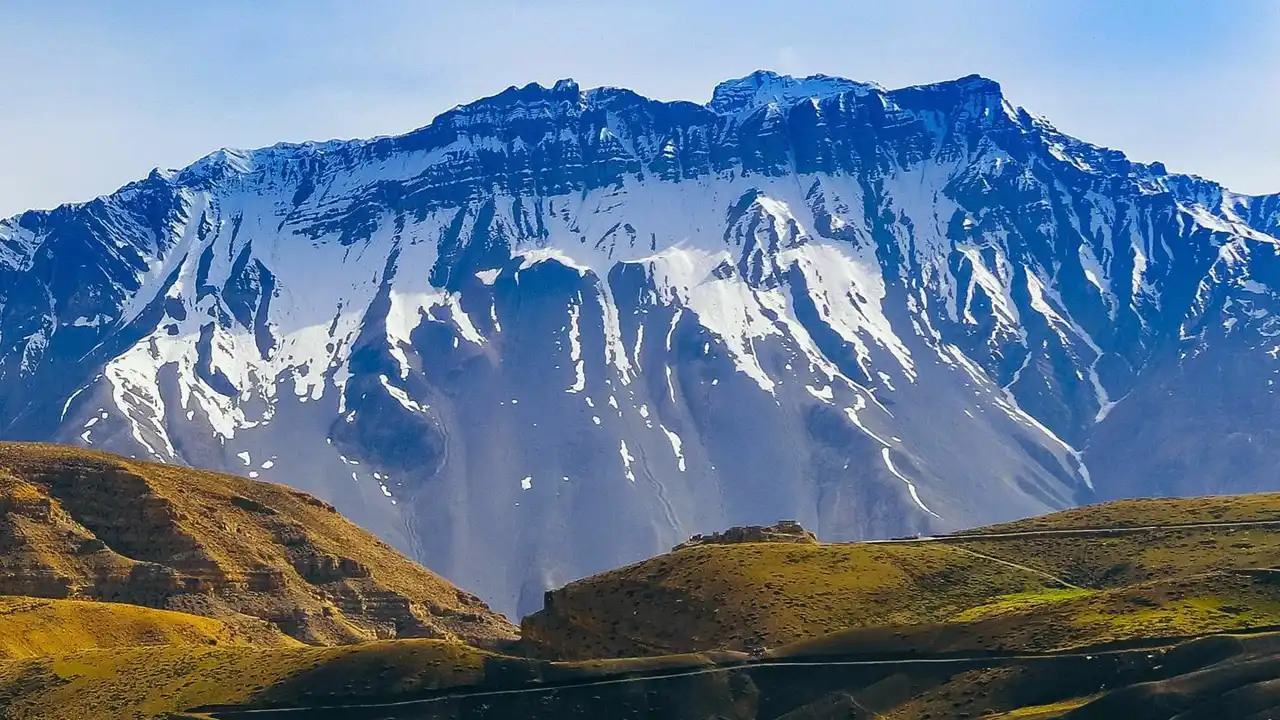
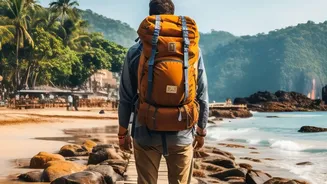
The quest for unique nature experiences is also being supercharged by technology. Digital communities and specialized apps are making it easier for travelers to discover lesser-known treks, eco-tourism homestays, and agri-tourism opportunities. Instead of relying on tour operators, travelers can now find detailed trail maps on apps, read reviews from fellow hikers, and book stays with rural families directly. This shift promotes sustainable tourism by distributing footfall more widely, away from overcrowded hotspots. Social media influencers also play a significant role, popularizing offbeat natural destinations and encouraging a more adventurous and responsible form of travel.