






A New Frontier for Careers
For decades, a career in India's space sector meant one thing: joining the prestigious ranks of the Indian Space Research Organisation (ISRO). But a seismic shift is underway. The government's decision to open the sector to private enterprise has unleashed
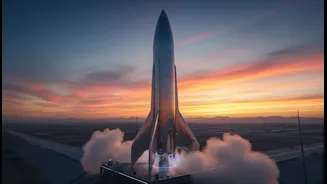
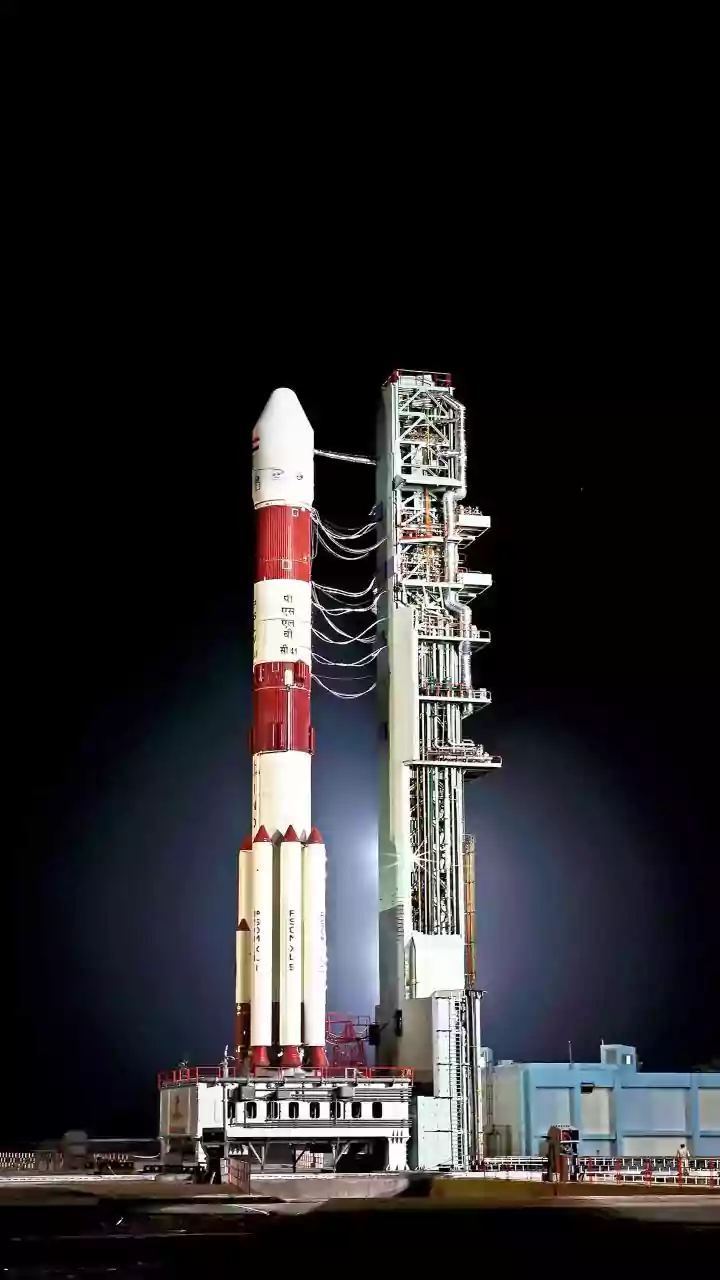
a wave of innovation and investment, fundamentally changing the employment landscape. Companies like Skyroot Aerospace, with its historic Vikram-1 orbital launch, and Agnikul Cosmos, known for its pioneering 3D-printed rocket engines, are now household names. These successes have created a 'halo effect', making the private space industry one of the most exciting and attractive career destinations for young engineers and seasoned manufacturing professionals alike. What was once a state-led research domain is rapidly evolving into a dynamic, commercially driven employment engine with over 250 active startups.
From Assembly Lines to Launch Pads
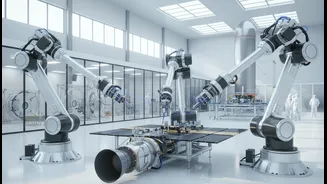
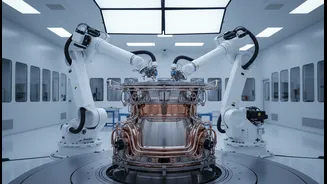
This new space race is not just for rocket scientists. The burgeoning demand is for professionals with deep expertise in high-precision manufacturing. Private space companies are actively recruiting talent from adjacent industries, including automotive engineering, aerospace manufacturing, electronics, and advanced materials. This convergence is creating fresh career pathways for skilled individuals who can adapt their knowledge to space-grade requirements. The talent pull is significant, with some experts noting a migration of experienced personnel from government institutions to these agile startups, drawn by competitive salaries and the chance to be part of a groundbreaking industry. The core need is for individuals who can translate complex designs into flawless, reliable hardware capable of withstanding the harsh environment of space. This includes specialists in welding, machining, quality assurance, and robotics.
The Skills in High Demand
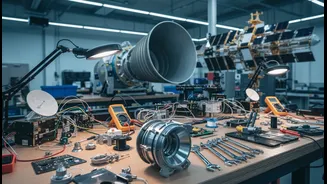
The transition from traditional manufacturing to space manufacturing is not without its challenges. The required precision, material science knowledge, and quality control standards are an order of magnitude higher. As a result, companies are looking for a unique blend of skills. Expertise in working with advanced materials like Inconel, a superalloy used in 3D-printed engines, is highly prized. Furthermore, as rockets and satellites become more complex, there is a growing need for professionals skilled in robotics, AI, data analytics, and cybersecurity to support modern manufacturing processes and operations. This is leading to a re-evaluation of technical training and a push for upskilling programs to bridge the gap between traditional industry expertise and the specific demands of the new space economy.
Policy as a Launchpad
This entire movement is underpinned by a clear and deliberate policy push. The establishment of the Indian National Space Promotion and Authorisation Centre (IN-SPACe) in 2020 was a landmark decision, creating a single-window agency to facilitate and regulate private space activities. By providing access to ISRO's world-class facilities and streamlining approvals, IN-SPACe has drastically lowered the barrier to entry for startups. The Indian Space Policy 2023 further solidified this commitment, allowing for greater private participation and even 100% foreign direct investment in satellite manufacturing. This predictable regulatory framework has boosted investor confidence, with hundreds of millions of dollars flowing into the sector, fueling job creation and technological development. The government's goal is ambitious: to grow India's share of the global space economy from 2% to nearly 10% by 2033, an objective that hinges on the success of its private manufacturing ecosystem.