




Belief vs. Biology: Two Worlds of Advice
When you search for the perfect bedroom plant, you enter two different worlds. One world is rooted in ancient cultural practices like Vastu Shastra and Feng Shui. In this realm, plants are chosen for their ability to attract positive energy, wealth, and harmony,
or to ward off negativity. The other world is based on botany and environmental science. Here, plants are valued for their biological processes: their ability to purify the air, release oxygen, and thrive in low-light conditions. The confusion starts when lists blend these two perspectives without explaining the difference, leaving you wondering if a plant's main benefit is good luck or good air quality.
The Science of Bedroom Greenery
The idea that houseplants clean the air isn't just a feeling; it has scientific roots, most famously in a 1989 NASA Clean Air Study. This study found that certain common houseplants could remove harmful volatile organic compounds (VOCs) like formaldehyde and benzene from sealed chambers. However, it's important to have realistic expectations. A bedroom is much larger and less controlled than a sealed lab chamber, so a few plants won't drastically purify your air. A more tangible benefit comes from a special group of plants that perform Crassulacean Acid Metabolism, or CAM photosynthesis. Unlike most plants, CAM plants open their pores to take in carbon dioxide and release oxygen at night, making them excellent companions for the bedroom.
Snake Plant: Protective Charm or Oxygen Factory?
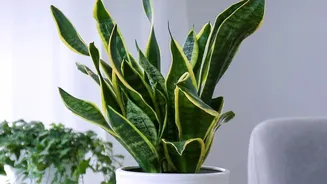
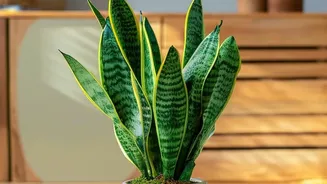
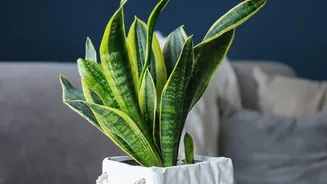
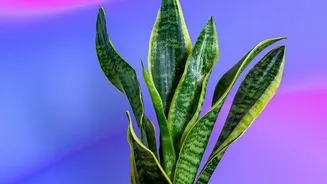
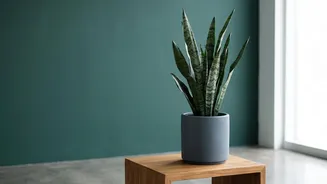
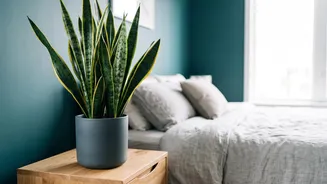
The Snake Plant, or Sansevieria, is a star in both traditional and scientific circles. Traditional Belief: In Vastu and Feng Shui, the Snake Plant is considered a powerful protector. Its sharp, upright leaves are believed to cut through negative energy and shield the inhabitants of a home from bad luck. Care Facts: Scientifically, the Snake Plant is a bedroom champion because it's a CAM plant, meaning it releases oxygen at night. It's also incredibly resilient, tolerating low light and infrequent watering, making it perfect for beginners. Simply allow the soil to dry out completely between waterings, about every two to three weeks. Note that while hardy, the plant is toxic to pets if ingested.
Peace Lily: Symbol of Harmony or Toxin Filter?
With its elegant white flowers and glossy leaves, the Peace Lily is another popular choice. Traditional Belief: As its name suggests, the Peace Lily is associated with peace, purity, and harmony. Vastu and Feng Shui practitioners believe it neutralises negative energy and promotes tranquility and emotional well-being. Care Facts: The Peace Lily was one of the top performers in NASA's study, showing an ability to remove toxins like ammonia and benzene from the air. It prefers bright, indirect light and consistently moist—but not soggy—soil. A drooping plant is its dramatic way of telling you it's thirsty. Be aware that Peace Lilies contain calcium oxalate crystals and are toxic to both pets and humans if chewed or ingested.
Money Plant: Wealth Magnet or Resilient Vine?
The common Money Plant, or Pothos, is often seen trailing from shelves in homes across India. Traditional Belief: In Vastu, the Money Plant is a famous symbol of wealth and prosperity. Placing it in the southeast corner of a room is believed to attract financial luck and success. Care Facts: The Money Plant's real magic lies in its hardiness. It's exceptionally easy to grow, thriving in a wide range of light conditions and forgiving occasional neglect. It’s also an effective air purifier, known for filtering pollutants like formaldehyde. However, this popular plant is toxic. All parts of the Pothos contain calcium oxalate crystals, which can cause painful irritation and swelling of the mouth and digestive tract if eaten by pets or small children.
Jasmine: Scent of Love or Sleep Aid?
The fragrant Jasmine is often recommended for the bedroom, but for different reasons. Traditional Belief: Due to its sweet, romantic fragrance, Jasmine is often linked to love, positive relationships, and peaceful dreams in traditional systems. Care Facts: Science backs up the calming effects of Jasmine's scent. Studies have shown that the aroma can reduce anxiety and lead to a higher quality of sleep, with some researchers finding it as effective as a sedative. Unlike the other plants on this list, Jasmine requires more care, needing plenty of sunlight and regular attention to thrive indoors. However, the scientifically-supported sleep benefits could make the extra effort worthwhile.