



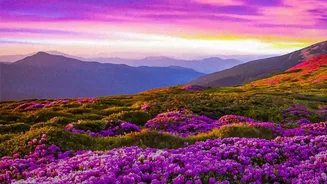
A Tale of Two Blooms
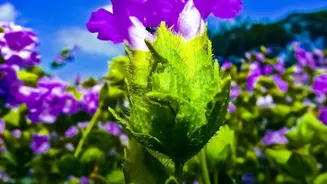
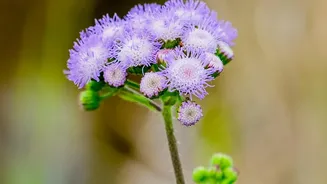
For those who track nature’s grandest spectacles, the Neelakurinji bloom is a holy grail. The most famous mass flowering, which blankets the hills of Eravikulam National Park, last occurred in 2018, with its next appearance eagerly awaited in 2030. Yet,
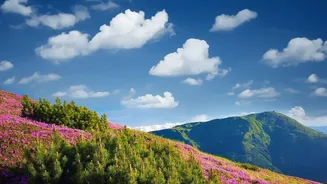
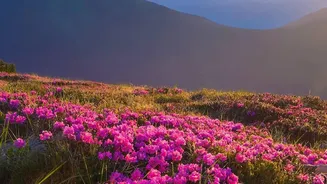
in a fascinating twist, a different population of the very same flower is currently carpeting the slopes around Chokramudi and Mattupetty in 2026. This isn't an early arrival of the main event, but a separate group of plants running on its own 12-year clock, having last bloomed in 2014. This staggered phenomenon only adds to the mystique, revealing that the mountains around Munnar hold multiple, unsynchronized natural calendars, each culminating in the same breathtaking spectacle.
The Science of a 12-Year Wait
The Neelakurinji, or Strobilanthes kunthiana, is a type of plant known as a plietesial, meaning it flowers at long, predictable intervals. It follows a lifecycle that is the very definition of patience. For 11 years, it remains a modest shrub in the high-altitude shola grasslands of the Western Ghats. Then, in the 12th year, it bursts into a gregarious bloom, a synchronized flowering event designed for maximum pollination. After this singular, glorious display, the plant sets its seeds and dies, passing the baton to a new generation that will repeat the cycle. This unusual strategy, known as monocarpism, is believed to be an evolutionary defence, overwhelming seed predators with a sudden abundance and ensuring the species’ survival.
The 'Blue Mountains' and a People's Calendar
The Neelakurinji is woven deeply into the region's identity. The Nilgiri Hills, which translate to 'Blue Mountains', are widely believed to have earned their name from the purplish-blue carpet these flowers create during a mass bloom. Its significance transcends geography and enters the realm of culture. For centuries, the indigenous Paliyan tribal community of Tamil Nadu has used the bloom as a natural calendar to calculate their age. Instead of years, a person’s life might be measured by the number of blooms they have witnessed. The flower also finds mention in ancient Tamil Sangam literature, where 'Kurinji' refers to the mountainous landscape it inhabits, cementing its place in the cultural heritage of Southern India.
An Ecosystem's Fragile Heartbeat
Beyond its visual splendour, the Neelakurinji bloom is a critical ecological event. The mass flowering provides a sudden, massive bounty of nectar, supporting huge populations of pollinators like native bees and butterflies. The honey harvested during this period, known as Kurinjithen, is considered rare and of special value. The plant is also an indicator species for the health of the unique shola-grassland ecosystem, a habitat it shares with the endangered Nilgiri Tahr, a wild goat species that also calls these mountains home. A healthy bloom signals a thriving, balanced ecosystem, making its regular appearance a vital sign for the entire region.
Why We Must Keep Watching
The headline asks why this bloom remains worth covering, and the most urgent answer is for its conservation. Strobilanthes kunthiana is listed as a 'Vulnerable' species on the IUCN Red List. Its fragile habitat is under constant threat from the expansion of tea plantations, unchecked tourism, construction, and the broader impacts of climate change. Each bloom, whether the major event in 2030 or the localized one in 2026, serves as a powerful reminder of what is at stake. Covering the Neelakurinji story is not just about celebrating a beautiful flower; it’s about advocating for the protection of an entire ecosystem that is one of India’s most precious and irreplaceable natural treasures.