




The Shy Star of the Lagoon
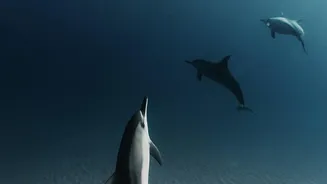
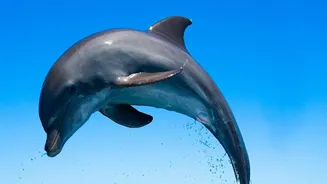
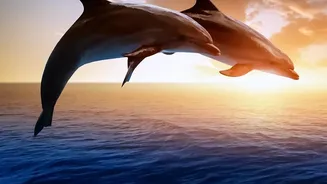
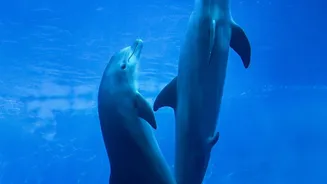
Chilika Lake, Asia’s largest brackish water lagoon, is a jewel of Odisha and a sanctuary for an astonishing array of biodiversity. Its most famous resident is the Irrawaddy dolphin, a shy and unique cetacean with a bulbous head and a gentle, expressive
mouth. This is one of the world's most significant populations of this vulnerable species, making Chilika a critical habitat for their survival. The dolphins are not just a tourist attraction; they are deeply woven into the local ecology and culture, coexisting with traditional fishing communities for generations. They are known to herd fish towards nets, inadvertently helping fishers, a relationship steeped in local folklore and mutual respect. This delicate balance, however, is being dangerously frayed by the pressures of modern tourism.
The Unregulated Chase
For many visitors, a boat trip to see the dolphins is the highlight of their visit. But what should be a moment of quiet observation has often devolved into a chaotic and aggressive pursuit. Unregulated tour boats, numbering in the hundreds, compete fiercely to give their clients a guaranteed sighting. This competition leads to dangerous practices: boats chase the dolphins at high speeds, circle them tightly, and create a cacophony of engine noise that disrupts their ability to communicate and hunt using echolocation. The animals, which are naturally shy, become stressed and change their behaviour to avoid the vessels. Worse, this high-speed harassment often results in physical harm. Dolphins, particularly calves, can be struck by propellers, leading to grievous injuries and even death. Local reports confirm that injured dolphins are a tragically common sight.
The Cost of a Quick Thrill
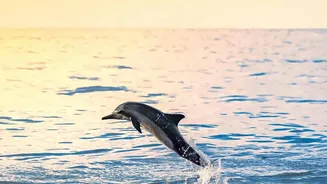
The irony is that this aggressive pursuit is not only devastating for the dolphins but also self-defeating for the tourism industry. Studies have shown that harassing the dolphins actually diminishes the quality of the tourist experience. High tourist expectations, often fuelled by misleading marketing promising leaping dolphins on demand, lead to dissatisfaction when the shy animals retreat from the commotion. This creates a vicious cycle: tourists demand a better view, operators chase more aggressively, and the dolphins become even more stressed and elusive. The long-term consequence is dire. A dwindling, stressed dolphin population will inevitably lead to the collapse of the very attraction that draws thousands of visitors and provides livelihoods for local communities. The golden goose of Chilika tourism is slowly being sacrificed for the sake of short-term gains.
A Blueprint for Responsibility
A sustainable future for Chilika's dolphin tourism is not only possible but necessary. The first step is robust regulation and strict enforcement. Authorities like the Chilika Development Authority have outlined guidelines, but compliance is tragically low. A responsible model would involve several key measures. This includes establishing strict no-go zones and buffer areas where boats must slow down or cut their engines, capping the number of tourist boats allowed in dolphin habitats at any given time, and mandating propeller guards to prevent injuries. There should be a mandatory training and licensing programme for all boat operators, educating them on dolphin behaviour and ethical watching practices, such as approaching slowly, maintaining a safe distance of at least 100 metres, and limiting viewing times to under 20 minutes.
The Tourist's Role in a Sea of Change
Responsibility does not lie solely with the operators and authorities. As consumers, tourists hold immense power to drive change. Before booking a tour, ask questions. Inquire if the operator is licensed and follows conservation guidelines. Choose operators who prioritize animal welfare over guaranteed close encounters. While on the water, be a voice for the dolphins. Insist that your boat driver maintains a respectful distance and does not chase the animals. Refuse to patronize boats that engage in aggressive behaviour and consider reporting them to the local authorities or tourism office. Remember, a fleeting glimpse of a dolphin in its natural, undisturbed state is far more valuable than a stressed-out spectacle. By choosing ethical operators, we send a clear market signal that sustainable, respectful wildlife watching is not just a preference but a demand.