






The Viral Sensation on Your Screen
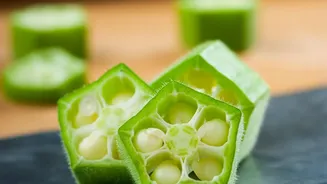
If you've scrolled through social media lately, you've likely seen it: influencers and skincare enthusiasts holding up a jar of thick, gel-like liquid, touting it as a miracle elixir. This is okra water, a simple preparation made by soaking sliced okra pods
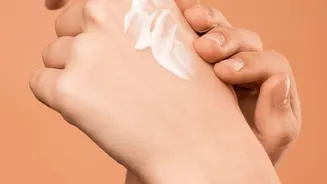
in water overnight. The resulting fluid, rich in mucilage, is then applied to the face as a mask or serum. Proponents claim it provides intense hydration, evens out skin tone, reduces wrinkles, and gives a 'glass skin' finish. The most sensational claim, however, is that it acts as 'natural Botox', firming the skin and smoothing fine lines almost instantly. Given its low cost and natural origins, it's easy to see why the trend has exploded in popularity.
The Kernel of Truth in the Pod
Before dismissing it entirely, it's important to understand why okra is being considered for skincare in the first place. The vegetable itself is a nutritional powerhouse, packed with vitamins A and C, antioxidants like flavonoids and polyphenols, and minerals. Vitamin C is well-known for its role in collagen production and its ability to brighten skin, while antioxidants help protect the skin from damage caused by environmental stressors. The most notable component is its mucilage, a gelatinous substance that can act as a humectant, drawing moisture to the skin and providing a temporary hydrating and soothing effect. So, in theory, the ingredients for good skincare are present in the vegetable.
Where the Science and Trend Diverge
This is where the case for okra water begins to weaken. While okra contains beneficial compounds, there is very little scientific research on the effects of topical okra water specifically. Dermatologists point out a major hurdle: molecule size and skin penetration. The beneficial vitamins and antioxidants in okra may not be in a form or size that can effectively penetrate the skin's barrier to make a significant, lasting difference. A professionally formulated Vitamin C serum, for instance, is created to be stable and to reach the deeper layers of the skin. A DIY concoction has none of these guarantees. The concentration of active ingredients in homemade okra water is unknown and inconsistent, and the lack of preservatives means it can become a breeding ground for bacteria, potentially leading to breakouts or skin irritation.
Debunking the 'Natural Botox' Claim
The comparison to Botox is the most misleading aspect of the trend. Botox is a medical treatment involving a neuromodulator that temporarily paralyzes muscles to reduce the appearance of dynamic wrinkles. A topical skincare product cannot replicate this effect. The 'tightening' sensation reported by users of okra water is likely due to the mucilage drying on the skin's surface, creating a temporary film. This can make the skin feel firmer for a short period, but it is a purely physical and transient effect, not a biological change in the skin's structure or muscle activity. Once you wash it off, the effect is gone.
The Dermatologist’s Verdict
The consensus among skin experts is clear: while applying fresh okra water is likely harmless for most people (provided you do a patch test first), it is not the miracle cure it's claimed to be. Experts caution against relying on unproven social media trends for skincare solutions. Eating okra as part of a balanced diet is a much more effective way to reap its nutritional benefits for your overall health, which in turn reflects on your skin. For targeted skin concerns like wrinkles and hydration, dermatologists recommend sticking to products with scientifically proven ingredients like retinoids, hyaluronic acid, and stabilized vitamin C, which are formulated for safety, stability, and efficacy.