





The Science of a Satisfying Sip
We’ve all been there: you down a large, fruit-heavy smoothie only to feel hungry an hour later. This happens when a smoothie lacks the key components that signal fullness to your brain. 'Liquid satiety' isn't just about volume; it's about nutritional
density. To create a beverage that functions as a true meal replacement, it must contain a balanced mix of macronutrients. The goal is to slow digestion and provide sustained energy, rather than a quick sugar rush followed by a crash. This is achieved by combining protein, healthy fats, and fibre. When these three are present, your body receives the message that it has been properly fuelled, keeping hunger pangs at bay.
The Foundational Trio: Protein, Fat, and Fibre
Think of protein, fat, and fibre as the essential building blocks for any substantial smoothie. Protein is crucial for muscle repair and satiety. Good sources include Greek yogurt, protein powders (whey or plant-based), or even cottage cheese. Healthy fats are key for satisfaction and can improve the creamy texture of your drink. A tablespoon of nut butter, a quarter of an avocado, or a sprinkle of chia or flax seeds are excellent choices. Fibre, found in fruits, vegetables, and whole grains, aids digestion and adds bulk, making you feel fuller for longer. Berries, spinach, kale, and rolled oats are fantastic fibre-rich additions that blend easily.
The Breakfast Boost: Energise Your Morning
A breakfast smoothie should be designed for sustained energy to carry you through until lunch. For this meal, a balance of all three core components is vital. Start with a liquid base like unsweetened almond milk or water, not sugary fruit juice which can cause a blood sugar spike. A great combination is a scoop of vanilla protein powder, a handful of spinach, half a frozen banana for potassium and creaminess, a tablespoon of almond butter for healthy fat, and a handful of blueberries for antioxidants and fibre. The inclusion of oats can also provide complex carbohydrates for slow-release energy.
The Lunch Replacement: Conquer the Midday Slump
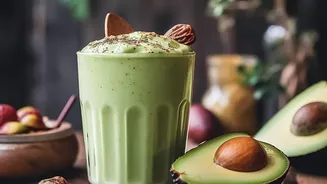
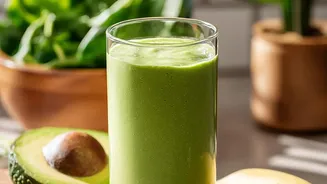
When replacing lunch, your smoothie needs to be robust enough to prevent the dreaded mid-afternoon slump. This means prioritising protein and fibre even more. A smoothie for lunch can often be a bit greener and more savoury. Try blending unsweetened coconut water with a full cup of spinach or kale, half an avocado for creaminess and healthy fats, cucumber for hydration, and a scoop of unflavoured or vanilla protein powder. Adding ingredients like chia seeds or psyllium husk can further enhance the fibre content, ensuring you remain full, focused, and productive throughout the afternoon.
The Post-Workout Refuel: Repair and Replenish
After exercise, the goal of your smoothie shifts to recovery. The primary needs are protein to repair muscle tissue and carbohydrates to replenish depleted glycogen stores. This is where faster-digesting ingredients are beneficial. A typical post-workout blend might include a fast-digesting whey or plant-based protein powder, a banana for potassium and carbs, and a liquid like coconut water or regular milk. Adding some mixed berries can provide antioxidants to help combat exercise-induced inflammation. While healthy fats are still good, the emphasis here is more on the protein-carb combination for optimal recovery.
Common Smoothie Mistakes to Avoid
Many well-intentioned smoothies end up as 'sugar bombs' that do more harm than good. A primary mistake is using too much fruit or a fruit juice base, which dramatically increases the sugar content. Another common error is skimping on protein and healthy fats, which is why many smoothies fail to be filling. Finally, don't go overboard with too many competing ingredients. Start with a simple, balanced formula and then experiment. Using frozen fruit instead of fresh can create a better, thicker texture without the need for ice, which can dilute the flavour and nutrients.