






The Expressway Revolution
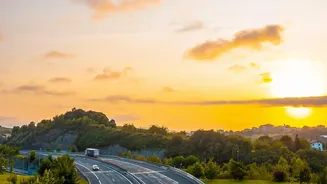
India is in the midst of an infrastructure overhaul, with initiatives like the Bharatmala Pariyojana radically reshaping its road network. World-class expressways are drastically cutting travel times between major cities. For instance, the Delhi-Mumbai
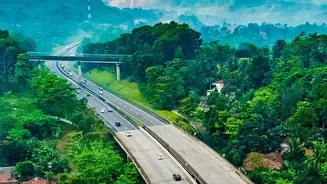
Expressway is set to reduce the 24-hour drive to just 12 hours once fully operational. Similarly, the Delhi-Dausa-Lalsot section has already slashed the journey time between Delhi and Jaipur to under three hours. This isn't just about speed; it's about creating reliable, safe, and comfortable corridors that are encouraging more people to travel by car. This extensive network expansion is the primary driver behind a fundamental shift in how Indians are choosing to see their own country.
From Destination to Journey
With high-quality roads reducing travel fatigue, the journey itself has become part of the vacation. Tourists are no longer focused solely on reaching a single, popular destination as quickly as possible. Instead, they are embracing the freedom of the open road, exploring hidden gems and lesser-known towns along the way. This shift is particularly pronounced among younger travellers and families who prefer the flexibility and privacy of self-driven trips. The rise of 'workations' and a growing culture of spontaneous weekend getaways also contribute to this trend, with travellers using their own vehicles or rentals to string together several destinations in one go.
The Rise of New Tourist Circuits
This improved connectivity is creating entirely new multi-destination tourist circuits that were previously impractical. The Delhi-Mumbai Expressway, for example, now functions as a heritage and wildlife corridor, linking destinations like Jaipur, Sariska Tiger Reserve, Ranthambore National Park, and Ahmedabad into a single, cohesive trip. In Maharashtra, the Samruddhi Mahamarg connects pilgrimage sites like Shirdi and Trimbakewar with the historical wonders of the Ajanta and Ellora caves. Similarly, the Bundelkhand Expressway has made it easier to explore a circuit including Orchha, Khajuraho, and Chitrakoot. Even classic routes like Mumbai to Goa and Chennai to Pondicherry have become more appealing, with smoother roads encouraging more stops and detours.
Economic Ripples Along the Roadside
The benefits of this trend extend far beyond the travellers themselves. The surge in road traffic is creating a vibrant ecosystem of economic activity along these new highways. Small towns and villages that were once bypassed are now seeing a boom in business. Local dhabas, small hotels, handicraft vendors, and artisans are experiencing increased footfall and revenue as more vehicles pass through. This 'spillover' effect helps distribute tourism income more evenly, fostering economic growth in semi-urban and rural areas that previously saw little benefit from the travel industry. The development of new infrastructure is also attracting investment and creating jobs, both during and after construction.