





The Protein-Packed Upgrade
Before diving into the recipe, it helps to understand why this swap is so effective. Protein is a powerhouse macronutrient essential for building and repairing tissues, supporting muscle strength, and keeping your immune system robust. One of its biggest
benefits is satiety; meals higher in protein help you feel fuller for longer, which can reduce overeating and help with weight management goals. By increasing the protein content of a typically carb-heavy meal like pizza, you’re creating a more balanced dish that provides sustained energy and helps prevent the blood sugar spikes often associated with refined carbohydrates.
It All Starts with the Crust
The secret to a higher-protein pizza lies in a game-changing crust that eliminates yeast and long rising times. The two most popular and effective methods use either Greek yogurt or cottage cheese as the base. Both ingredients are packed with protein and create a dough that is surprisingly tender and chewy, with a crispy bottom. The cottage cheese version has become a viral sensation for good reason. Simply blending cottage cheese until smooth before mixing it with flour and baking powder creates a pliable dough. Similarly, a dough made from equal parts Greek yogurt and self-rising flour comes together in minutes. This approach not only boosts protein significantly but also simplifies the entire pizza-making process, making it accessible even for weeknight dinners.
Your Go-To High-Protein Pizza Recipe
Ready to try it? This simple recipe uses the Greek yogurt method, which is known for its foolproof results. You will need one cup of plain Greek yogurt and one cup of self-rising flour. If you don't have self-rising flour, you can make your own by whisking together one cup of all-purpose flour with 1.5 teaspoons of baking powder and a half teaspoon of salt. First, preheat your oven to 220°C. In a mixing bowl, combine the yogurt and flour mixture. Stir until a shaggy dough forms, then use your hands to bring it together into a smooth ball. On a lightly floured surface, roll the dough out to your desired thickness. For a crispier crust, it's best to pre-bake it on a parchment-lined tray for about 8-10 minutes before adding toppings.
Load Up on Smart Toppings
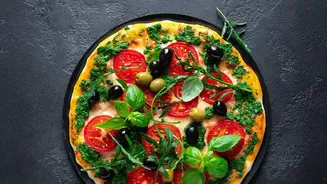
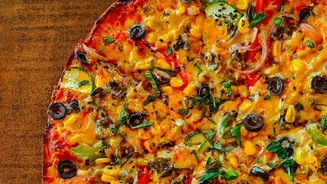
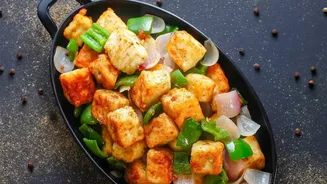
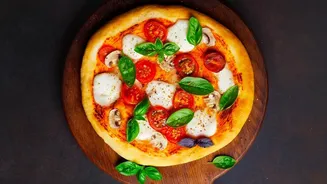
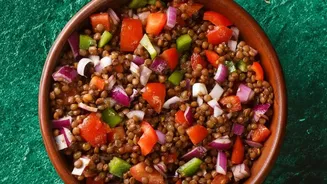
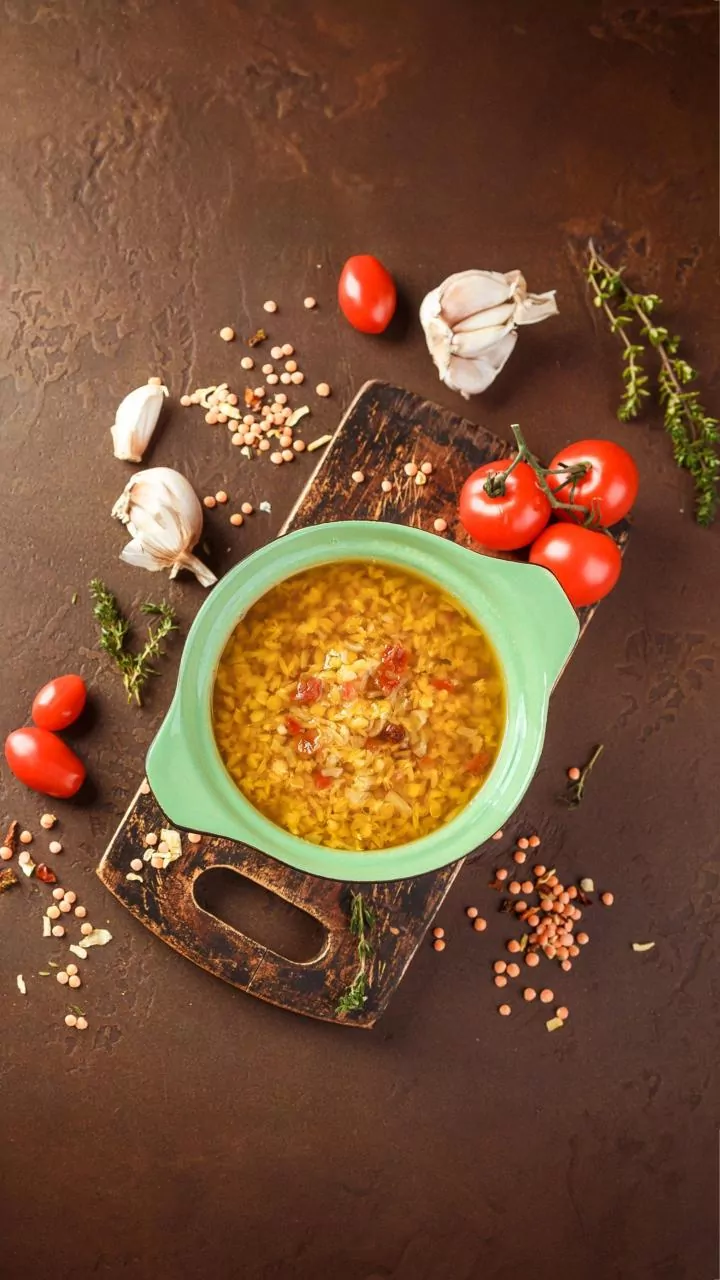
The crust is the foundation, but the toppings offer another opportunity to amplify the protein content. While mozzarella is a classic choice, consider adding a sprinkle of parmesan, which is one of the highest-protein cheeses. For meat toppings, move beyond standard pepperoni and opt for leaner choices like grilled chicken breast, turkey sausage, or lean ground turkey. If you prefer plant-based options, crispy chickpeas, paneer cubes, or even lentils can add a satisfying and protein-rich element to your pizza. Loading up on vegetables like spinach, mushrooms, and bell peppers will also add valuable nutrients and fiber, making your meal even more well-rounded.
Tips for Pizza Perfection
Working with these alternative doughs can be slightly different from traditional yeast-based recipes. This dough can be sticky, so don't be afraid to lightly flour your hands and rolling pin. If the dough is too wet, add a tablespoon of flour at a time until it's manageable. Blending your cottage cheese until completely smooth is a non-negotiable step if you go that route; it ensures the final crust has a uniform, bread-like texture rather than a curdled one. Finally, get creative with your sauces. While marinara is standard, a swirl of pesto or a white garlic sauce can completely change the pizza's flavour profile.