









An Engine Running on Imports
To fuel its rapid economic expansion, India has become the world's third-largest oil consumer. The country's factories, cars, and farms run on energy, and a massive portion of that energy comes from crude oil. The catch is that India produces very little
of its own. Recent data shows that the nation depends on imports for nearly 89% of its crude oil needs, a figure that has been steadily rising. This isn't a new problem, but the scale is unprecedented. As the economy targets consistent growth above 7%, the demand for fuel grows in lockstep, meaning India must buy more and more oil from the international market each year. This deepening dependency means that India’s economic health is no longer just tied to domestic policy, but also to events unfolding thousands of kilometres away in global energy hotspots.
The Global Price Domino Effect
When global oil prices spike, it creates a powerful and painful domino effect on the Indian economy. Economists have a rule of thumb: for every $10 increase in the price of a barrel of crude oil, India’s import bill jumps by billions of dollars. This has several immediate consequences. First, it puts immense pressure on the nation's Current Account Deficit (CAD), which is the difference between its imports and exports. A wider deficit can spook foreign investors. Second, since oil is traded in US dollars, a higher import bill means oil companies need to buy more dollars, weakening the rupee. A weaker rupee, in turn, makes a barrel of oil even more expensive in local currency, creating a vicious cycle.
From Global Markets to Your Wallet
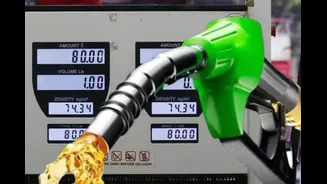
The impact of a global oil shock isn't just an abstract economic concept; it directly hits household budgets. Higher crude prices mean higher costs for petrol and diesel. But the effect goes much further. Since nearly all goods in India are transported by trucks, higher diesel prices increase transportation costs for everything from vegetables to consumer electronics. This 'imported inflation' pushes up the general cost of living, forcing the Reserve Bank of India (RBI) to consider raising interest rates to control prices, which can slow down economic growth. For the government, it creates an intense policy dilemma: should it cut fuel taxes to provide relief to citizens, thereby sacrificing crucial revenue, or should it allow prices to rise and risk stoking inflation and public discontent?
A World of Unpredictable Supply
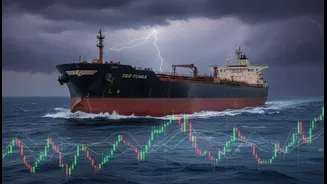
India's growing demand coincides with a period of heightened global volatility. Geopolitical conflicts in major oil-producing regions like the Middle East can disrupt supply through critical shipping lanes like the Strait of Hormuz, through which a significant portion of India’s oil passes. Decisions by oil-producing cartels like OPEC+ to cut production can also send prices soaring overnight. While some forecasts suggest a potential easing of prices, the market remains acutely exposed to sudden shocks. This unpredictability makes long-term economic planning incredibly difficult for policymakers in New Delhi, who must now treat energy security not just as an economic issue, but as a core national security concern.
The Search for an Economic Shield
In response to this growing vulnerability, India is pursuing a multi-pronged strategy to build a shield against oil shocks. One key area is expanding the country's Strategic Petroleum Reserves, which are emergency stockpiles of crude that can be used to cushion the economy during a supply disruption. However, the most durable solution lies in reducing dependency altogether. India has launched an ambitious push into renewable energy, aiming to generate a massive portion of its electricity from non-fossil fuel sources like solar and wind power by 2030. This clean energy transition is now viewed as an essential strategy for both climate action and economic insulation. By diversifying its energy sources and improving efficiency, India hopes to keep its economic engine running without being held hostage by global oil dynamics.