



What Exactly Are Polymer Notes?
Instead of the current cotton-based paper, polymer banknotes are made from a sophisticated plastic called biaxially oriented polypropylene (BOPP). This isn't like a credit card; the notes are designed to be flexible and can be folded and used just like regular
cash. However, the material is non-porous and much more resilient. More than 60 countries, including Australia, Canada, and the United Kingdom, already use these plastic notes in some form, having found them to be cleaner, more durable, and harder to forge.
Why is India Making the Switch?
The primary drivers for this change are durability and cost-effectiveness over the long run. According to RBI Governor Sanjay Malhotra, lower denomination notes like ₹10 and ₹20 change hands very frequently, which causes them to get soiled and worn out quickly. International experience suggests polymer notes can last two to four times longer than their paper counterparts. By extending the lifespan of these high-velocity notes, the RBI aims to reduce the significant costs associated with frequently reprinting and replacing soiled currency. Another key goal is to enhance security features to combat counterfeiting.
The Pilot Project: Starting Small
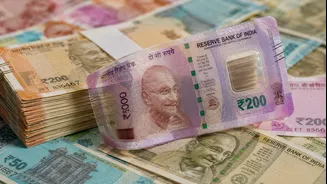
This isn't an overnight switch for the entire country. The government has approved a pilot project for the RBI to introduce one billion notes each of the ₹10 and ₹20 denominations for field trials. Governor Malhotra emphasized that this is a test to see how the notes perform in India's diverse climate and daily use conditions before any decision on a wider rollout is made. The plan is for these new polymer notes to co-exist with existing paper currency; there is no proposal to replace paper notes entirely at this stage.
The Pros and Cons
The advantages are clear: the notes are stronger, water-resistant, and stay cleaner for longer. Their plastic nature allows for advanced security features like transparent windows and complex holograms that are very difficult to replicate, which could significantly curb counterfeit currency. However, there are downsides. The initial manufacturing cost of polymer notes is higher than paper ones. Some users in other countries have found them to be slippery and difficult to fold initially. There's also the major logistical challenge of recalibrating thousands of ATMs and vending machines across the country to handle the new material.
A Long Time Coming
The idea of plastic notes in India is not new. The RBI has considered the proposal for over a decade. A previous plan to conduct a field trial with ₹10 notes in 2012 was approved but eventually shelved due to various challenges. Subsequent attempts also did not materialise. The current push, backed by a formal global tender for materials and a clear timeline from the RBI Governor, represents the most concrete step yet towards bringing polymer currency into the hands of the Indian public.