






Why the Morning Ritual Matters
A walk through the garden at dawn is not just peaceful; it's the most strategic time to assess plant health. During the night, plants restore their internal water pressure, so any drooping or discoloration you see in the morning is a true sign of stress,
not just a reaction to the afternoon sun. The gentle morning light also makes it easier to spot subtle issues. Furthermore, many pests are more active or visible in the cooler, calmer hours of dawn and dusk. Fine webbing from spider mites, for example, is often highlighted by morning dew, making it much easier to detect before an infestation takes hold.
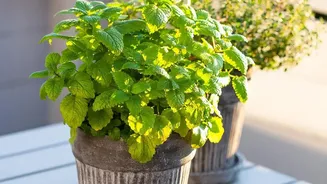
Your Five-Minute Tulsi Health Check
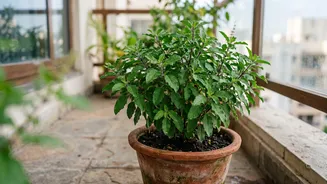
Make this quick inspection a part of your daily routine. It requires no special tools, only your attention. Start by looking at the plant as a whole. Is its colour vibrant? Does it stand upright? Then, move closer for a more detailed look.1. Inspect Under the Leaves: This is where most pests hide. Gently turn over a few leaves, especially the newer, tender ones. Look for tiny dots, sticky residue, or fine webs. Pests like aphids, whiteflies, and spider mites congregate here.2. Examine Stems and Joints: Check where leaves meet the stem. Mealybugs, which look like tiny cottony clusters, love to hide in these crevices.3. Look for Leaf Discoloration: Yellow or brown spots (stippling), curling leaves, or a dusty appearance can all be early signs of pest activity. Spider mites create tiny pale dots, while aphids can cause leaves to yellow and curl.4. Check for 'Honeydew': Aphids and mealybugs excrete a sticky, sweet substance called honeydew, which can make leaves look shiny and may attract ants or lead to the growth of a black, sooty mould.
Identifying the Common Culprits
Knowing what to look for helps you act faster. The most common pests for Tulsi are small and often missed until the damage is obvious. Spider Mites: These are technically arachnids, not insects, and are one of the most common Tulsi pests. They are tiny—like moving specks of dust—and may be red or yellow. The key sign is the presence of very fine, silky webbing between stems and on the undersides of leaves. This gives the plant a dusty look and causes leaves to develop pale, stippled spots. Aphids: These are small, soft-bodied insects that can be green, yellow, or black. They cluster on new growth and the undersides of leaves, sucking the plant's sap. This leads to yellowing, curled leaves, and stunted growth. Mealybugs: These pests look like small, white, cottony masses found in the joints of stems and leaves. Like aphids, they suck sap, weakening the plant and causing leaves to yellow and drop prematurely. Whiteflies: These are tiny, winged white insects that fly up in a cloud when a plant is disturbed. They are typically found on the undersides of leaves and cause similar damage to aphids, including yellowing leaves.
Safe, Natural, and Effective Responses
Because Tulsi leaves are often used for teas, prayers, or home remedies, it's crucial to avoid chemical pesticides. Luckily, natural methods are highly effective, especially when an infestation is caught early. A Strong Jet of Water: For a light infestation of aphids or spider mites, a simple but strong spray of water from a hose can physically dislodge them. This is best done in the morning so the leaves have time to dry in the sun. Neem Oil Solution: Neem oil is a powerful, natural insecticide and repellent. Mix about two teaspoons of neem oil with a litre of water and a few drops of mild liquid soap (which helps the oil and water mix). Spray this solution thoroughly on the entire plant, especially the undersides of the leaves, every 3-5 days until the pests are gone.* Soap Spray: A simple mixture of a few tablespoons of a mild, detergent-free liquid soap in a litre of water can be very effective against soft-bodied insects like aphids and mealybugs. The soap helps break down the pest's outer layer. Be sure to spray in the early morning to avoid burning the leaves.