


The Journey of the Aloo
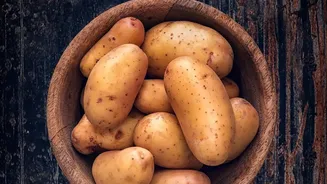
Before it became the heart of our samosas and the soul of our curries, the potato travelled a long way from its origins in the South American Andes. Portuguese traders first introduced the 'batata' to India's western coast in the 17th century. Initially,
it was a garden curiosity, but the British later expanded its cultivation, especially in cooler hill stations. Its affordability and incredible ability to adapt to different flavours and spices helped it weave itself into the fabric of Indian cuisine, from royal kitchens to bustling street food stalls. Today, it’s impossible to imagine Indian food without it.
Aloo Posto: The Soul of Bengal
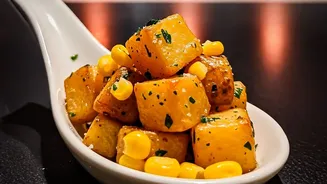
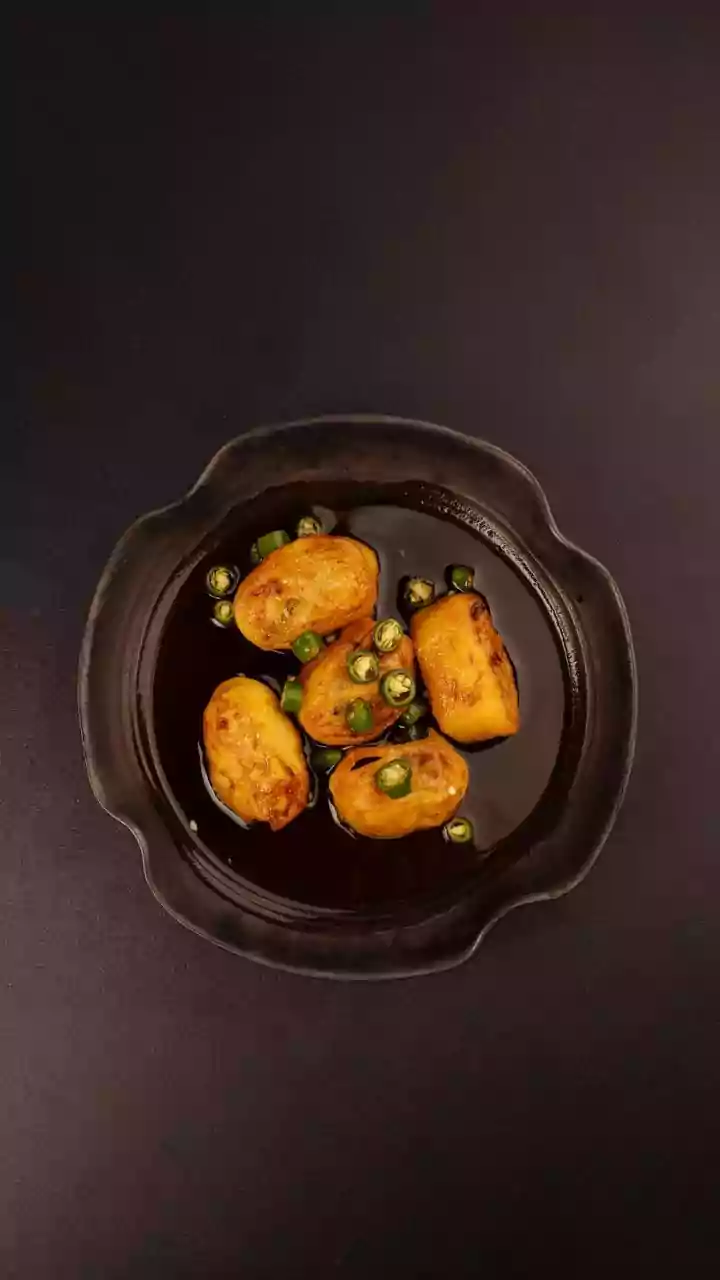
In Bengal, the potato finds one of its most subtle yet profound expressions in Aloo Posto. This classic dish is the epitome of comfort food, made with diced potatoes cooked in a creamy, nutty paste of poppy seeds (posto). With minimal spices, often just the heat of green chillies and the pungent aroma of mustard oil, the dish allows the earthy flavour of the potato to shine. Aloo Posto’s history is tied to the poppy cultivation during the British era, which made the seeds abundant in the region. It’s a simple, soulful preparation that is a staple in Bengali households, often served with dal and steamed rice.
Batata Vada: The Heartbeat of Mumbai
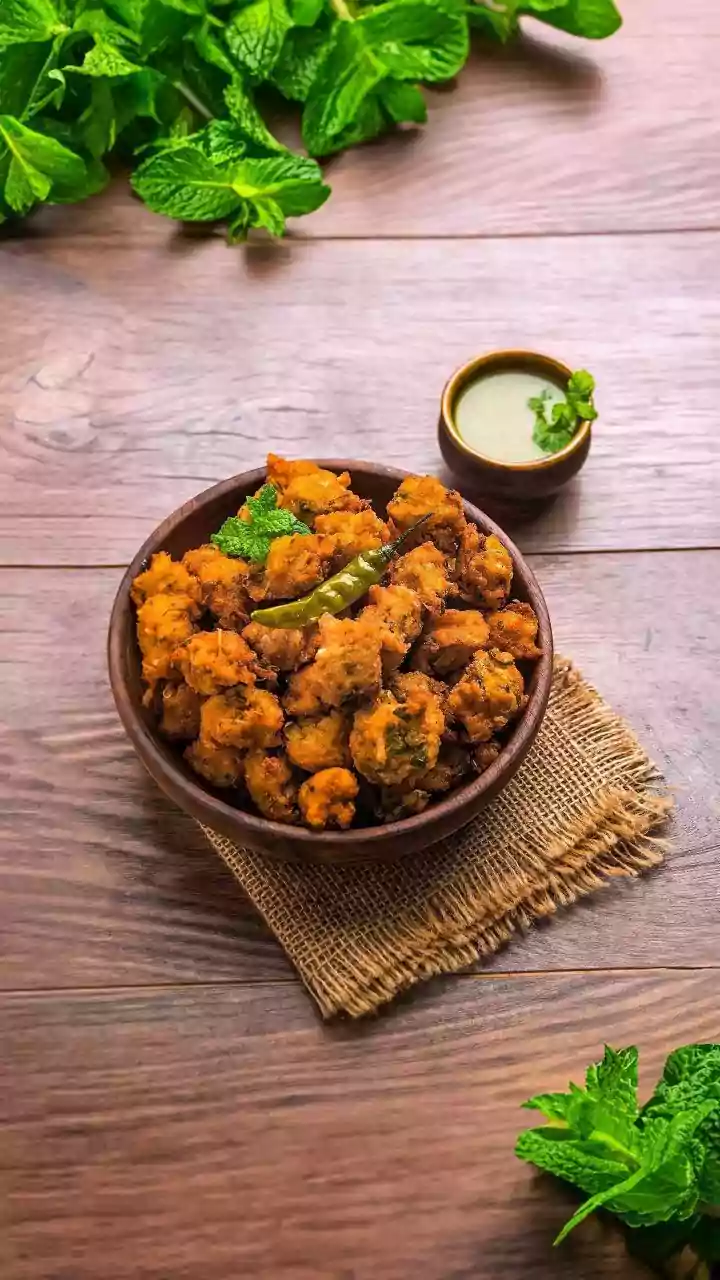
Head west to Maharashtra, and you’ll find the potato in its most famous street-food avatar: the Batata Vada. This iconic snack consists of a spicy mashed potato mixture, coated in a chickpea flour (besan) batter and deep-fried to golden perfection. It is believed to have been invented in Mumbai to provide a quick, affordable, and filling meal for workers. While delicious on its own with chutney, its true calling is as the star of Vada Pav, where the hot fritter is tucked inside a soft bread roll, creating a symphony of textures and flavours that defines Mumbai’s culinary spirit.
Dum Aloo: A Royal Treat from Kashmir
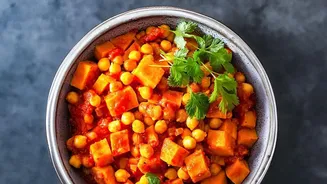
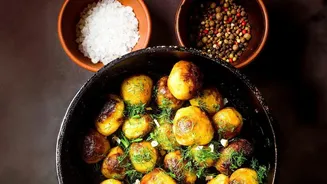
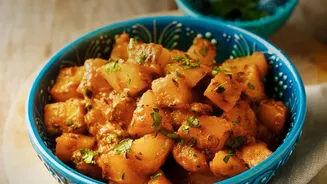
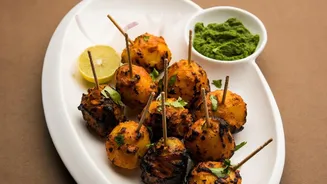
Travel north to the picturesque valleys of Kashmir for a taste of Dum Aloo, a dish fit for royalty. Originating from Kashmiri Pandit cuisine, this dish features small potatoes that are deep-fried and then slow-cooked ('dum' style) in a rich and aromatic gravy. The authentic Kashmiri version is often made with a yogurt-based sauce, spiced with fennel, ginger, and the famously vibrant Kashmiri red chillies, which give the dish its signature colour without overwhelming heat. It is a testament to the art of slow cooking, creating potatoes that are incredibly flavourful and tender.
Aloo Tikki: The Pride of Northern Streets
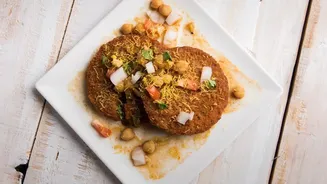
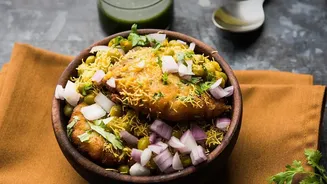
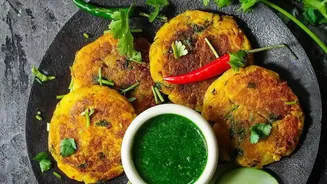
Across North India, the sizzle of Aloo Tikki is a familiar and beloved sound on every street corner. These savoury potato patties are a cornerstone of Indian chaat culture. Mashed potatoes are mixed with spices, shaped into patties, and pan-fried until crisp and golden. The magic, however, lies in how they are served: often topped with yogurt, tangy tamarind and mint chutneys, and a sprinkle of chopped onions and sev. Its origins are sometimes traced back to the Mughal era, evolving over time to become the quintessential Indian street snack that is both comforting and exciting.
Masala Dosa Filling: The Southern Staple
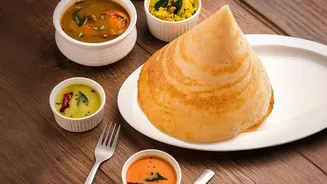
In the South, the potato plays a crucial supporting role that often steals the show: the delectable filling inside a Masala Dosa. This simple 'aloo masala' is made by sautéing boiled and mashed potatoes with onions, mustard seeds, curry leaves, and a hint of turmeric, creating a soft, savoury, and fragrant mixture. This potato filling is credited to the Udupi restaurants of Karnataka, which popularized the thin, crispy dosa stuffed with this delicious surprise. It transforms a simple crepe into a wholesome and satisfying meal enjoyed any time of day.