





More Than Just a Little Dirt
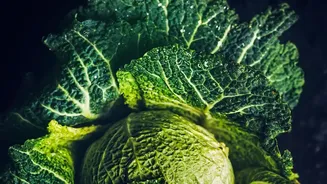
The crinkly leaves and dense heads of many greens are perfect traps for unwanted passengers. While visible soil and tiny insects are common, the more serious concerns are microscopic. Leafy greens are grown close to the ground, where they can be exposed
to contaminated soil or water. This can lead to contamination with harmful bacteria such as E. coli, Salmonella, and Listeria, which have been linked to foodborne illnesses. Because greens are often eaten raw in salads and sandwiches, there is no cooking process to kill these pathogens. Additionally, residues from pesticides can cling to the leaves. While no washing method can eliminate every single germ, proper cleaning can significantly reduce the risk and ensure your healthy meal is also a safe one.
The Ultimate Guide to Washing Greens
A quick rinse under the tap is often not enough, especially for densely packed greens. Food safety experts recommend a more thorough, multi-step approach for maximum safety. First, always wash your hands and clean your counter, sink, and utensils with hot, soapy water to prevent cross-contamination. For heads of lettuce or cabbage, discard the outermost leaves, which are most likely to carry dirt and germs. Next, separate the remaining leaves. Place them in a large, clean bowl of cold water and swish them around gently to loosen any grit or debris. Let them soak for a few minutes. You'll often see soil and sand settle at the bottom of the bowl. Lift the greens out of the water rather than pouring them into a colander, which would just pour the dirt back over them. Finally, rinse each leaf individually under cool, running water.
Do You Need Special Washes?
Many people wonder about adding vinegar or salt to the soaking water, or using commercial vegetable washes. Studies have shown that a soak in a solution of 10% salt water or a vinegar solution can be effective at reducing certain pesticide residues and bacteria. However, many food safety bodies maintain that thorough washing with plain running water is sufficient and effective for reducing most contaminants. The U.S. Food and Drug Administration (FDA) does not recommend commercial produce washes, as their effectiveness is not proven to be superior to water and they can leave behind residues. Never use soap, detergent, or bleach, as these products are not meant for consumption and can be absorbed by the porous leaves.
Techniques for Different Types of Greens
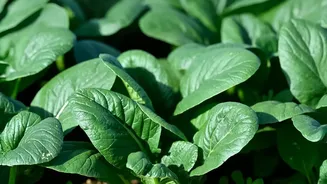
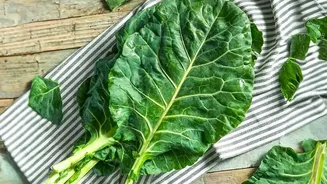
Not all greens are created equal, and your washing technique can be adapted. For sturdy greens like kale, sarson ka saag (mustard greens), or collard greens, you can be more vigorous, rubbing the leaves briskly with your hands under running water. For more delicate leaves like spinach (palak) or arugula, a gentle swish in a bowl of water followed by a careful rinse is best to avoid bruising. For tightly packed heads like iceberg lettuce and cabbage, it's crucial to separate the leaves before washing to ensure water reaches all the inner surfaces where contaminants can hide. If you buy pre-washed, bagged greens labeled 'ready-to-eat' or 'triple-washed', they generally do not need to be washed again. In fact, rewashing can potentially introduce bacteria from your kitchen sink or counters.
The Crucial Final Step: Drying
Drying your greens is just as important as washing them. Excess moisture can encourage bacterial growth and cause your greens to spoil faster in the refrigerator. A salad spinner is the most effective tool for this job. If you don’t have one, you can lay the leaves in a single layer on a clean cloth or paper towels, cover with another towel, and gently roll it up or pat them dry. Thoroughly dried greens will not only last longer but will also have a better, crispier texture, and salad dressings will adhere to them more effectively. It’s best to wash greens right before you plan to use them, as washing too far in advance can speed up spoilage.